Kyoto Guides
Gion Walking Tour vs Self-Guided Higashiyama Route and Booking
Affiliate disclosure: This page contains affiliate links. If you book or buy through them, we may earn a commission at no extra cost to you. As an Amazon Associate we earn from qualifying purchases.
CHOOSE YOUR NEXT STEP
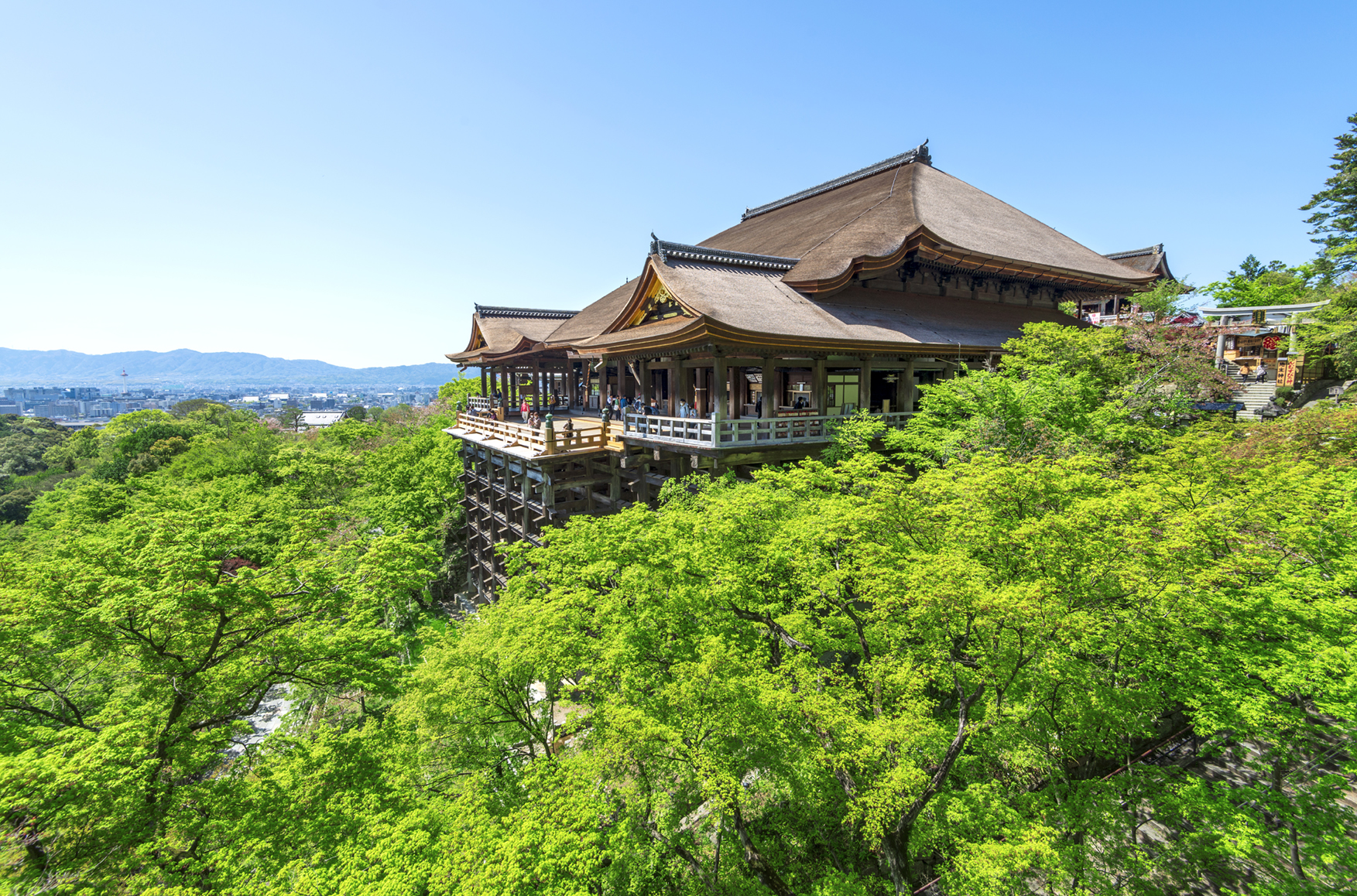
- Best shape: Start high at Kiyomizu-dera, descend through Sannenzaka and Ninenzaka, pass Yasaka Pagoda and Yasaka Shrine, then let Gion become the quieter final chapter.
- Time: Allow four to six hours independently; the selected Gion culture walk takes about two hours.
- Buy: Ceramics belong to these slopes, so shop for one usable Kiyomizu-yaki cup or bowl rather than generic souvenirs.
- Respect: Gion is a living district—never chase or photograph geiko or maiko without permission, enter private lanes, or block traffic.
The eastern hills give Kyoto its most convincing walk: a temple above the city, sloped lanes shaped by craft, a pagoda appearing between roofs, and Gion after the day begins to soften. The mistake is treating each sight as a separate trip. Keep them in one downhill sequence and decide before you start whether you want freedom or a guide for the part that is hardest to understand.
MAKE THE BOOKING DECISION FIRST
Follow the temple streets freely or learn how Gion works?
TEMPLES + CERAMICS + YOUR OWN PACE
Walk Kiyomizu to Gion independently
Choose this when photographs, craft shops and an open schedule are the memory.
Follow the free downhill route
TWO-HOUR EVENING CULTURE WALK
Turn teahouses, shrines and symbols into a story you can read
Choose the English walk when local explanation matters more than another photograph.
Check your date and current priceEnds at Yasaka Shrine; dinner is separate. Book for cultural understanding, not a promised geiko or maiko sighting.Still choosing your Kyoto day? Compare shrines, temple streets, food, tea, and bamboo in the complete Kyoto guide.
What the two options mean
Keep temples and shops flexible: Walk Kiyomizu to Gion independently when views, ceramics, and stopping whenever the street opens up matter most. Use Kyoto’s official Gion and Kiyomizu guide for area and congestion guidance.
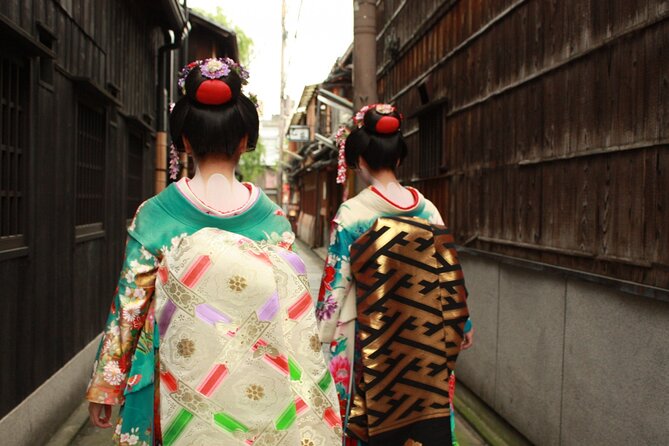
Learn how Gion works: The listed two-hour English walk explains shrines, teahouses, symbols, and geiko and maiko traditions, then ends at Yasaka Shrine so dinner remains flexible. It is a culture walk, not a promised geiko or maiko sighting. Its product photo and booking button appear once in the opening choice.
What to do at each part of the walk
Give the temple the first clear block of time. The view makes the geography legible before the lanes become intimate and crowded.
Kiyomizu-yaki and Kyo-yaki ceramics grew from this district. Look for a cup, bowl, or chopstick rest you will use at home; that memory lasts longer than a bag of unrelated souvenirs.
The familiar view appears from a working lane. Take the photograph from the side, keep doorways clear, and move on before the crowd becomes the subject.
Use the shrine as the transition between the temple district and Gion. It is the point to decide whether the evening needs dinner, a culture walk, or rest.
Geiko and maiko are working people, not promised sightings. The value is learning how the district functions, not chasing a photograph.
Crowd, rain, food, and shopping decisions
If crowds are the problem
Reach Kiyomizu early and walk downhill. Kyoto City’s congestion guidance recommends using rail and walking combinations rather than assuming the direct bus is always fastest. Check its live congestion tools on busy days.
If it rains
Keep the same route but shorten it: Kiyomizu-dera, one careful descent, Yasaka Shrine, then Gion Kagai Art Museum or a seated tea stop. Stone slopes can be slick, so the full shopping weave is the first thing to remove.
If you want food
Do not turn every lane into grazing. Eat one proper lunch before Gion or reserve dinner after it. The route works because the middle stays walkable; food is the pause, not six extra stops.
If you want to shop
Ceramics are the district-specific choice. Compare glaze, weight, and whether the piece can survive luggage. General sweets and character goods are easier to buy elsewhere; the slopes are strongest when you buy the craft connected to the place.
Gion manners in one minute
- Do not touch, follow, or photograph geiko or maiko without permission.
- Do not enter private property or private lanes.
- Do not block roads or walk side by side in a large group.
- Photograph only where it is permitted. A beautiful doorway is not automatically public space.
- Treat a sighting as chance, not the product. A respectful culture walk still succeeds without one.
Read Kyoto City's current Gion visitor guidelines
Before you reserve the guided walk
- Confirm the exact start time and meeting point on the live date you select.
- Expect a walking product, not transport. Wear shoes suitable for stone lanes and changing weather.
- Do not book expecting a promised geiko or maiko sighting. The value is the guide’s cultural explanation and route.
- Check the live group size and accessibility details. These can change by option and date.
- Use the current cancellation window deliberately. The listing checked September 11, 2026 offered a full refund up to 24 hours before the experience; the live terms control the booking.
Sources and notes
- Gion and Kiyomizu, Kyoto City Official Travel Guide, accessed 2026-09-07. Area history, temples, crafts, access, congestion, and Gion photography guidance; source of the Kiyomizu image.
- How to avoid crowds around Kiyomizu and Higashiyama, Kyoto City Official Travel Guide, accessed 2026-09-07. Rail-and-walk access context.
- Four guidelines for visiting Kyoto, Kyoto City Official Travel Guide, accessed 2026-09-07. Gion privacy, photography, private-property, and street-manner rules.
- Gion Kagai Art Museum, Kyoto City Official Travel Guide, accessed 2026-09-07. Museum and live-performance context.
- Kyoto Gion Geisha District Walking Tour - The Stories of Geisha, Viator, accessed 2026-09-11. Product duration, language, group size, inclusions, meeting and end points, rating, reviews, recommendation, booking signal, cancellation terms, route, and product image.
- Product route, price, availability, accessibility, group size, meeting point, and cancellation terms can change. Confirm them on the live listing.