Tokyo Planning
Choose by Neighborhood: Find the Tokyo That Fits Your Day
Affiliate disclosure: This page contains affiliate links. If you book or buy through them, we may earn a commission at no extra cost to you. As an Amazon Associate we earn from qualifying purchases.
CHOOSE YOUR NEXT STEP
- Choose one neighborhood that matches the day you want.
- Open that section and select an experience or restaurant.
- Tap the booking button when you are ready.
- Use the detail link only if you still need help deciding.
Choose the Tokyo rhythm first: neon after dark, pop-culture streets, a slower temple-town afternoon, or lantern light on the bay.
Shinjuku: make the night the event
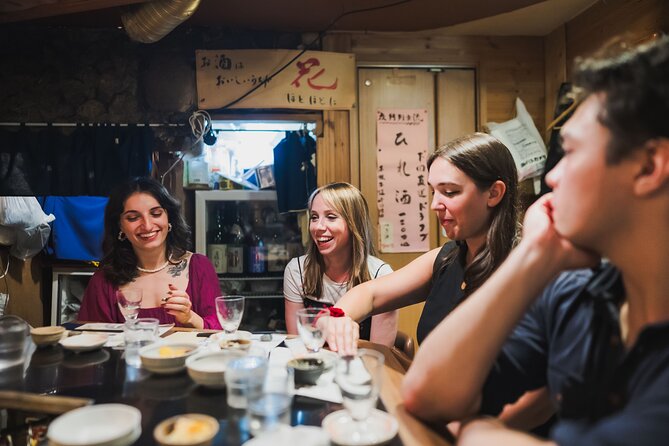
What you can experience: compact eating stops, narrow lanes, late-day energy, and distinct choices between Golden Gai and Shinjuku Ni-chome LGBTQ+ nightlife.
Best for: a first free evening, travelers who want the city to feel immediate, and anyone who wants the night itself to be the memory.
Day and night: daytime is useful for shopping or a quick city stop; after dark is when the area becomes its own destination. Give it an evening with enough margin to wander rather than rush for the last train.
Belonging: choose the Best of Shinjuku izakaya tour when several small doors, a shared dinner, and three drinks should become the whole first night.
Check live Shinjuku tour datesAsakusa: begin Tokyo with someone who can open it up
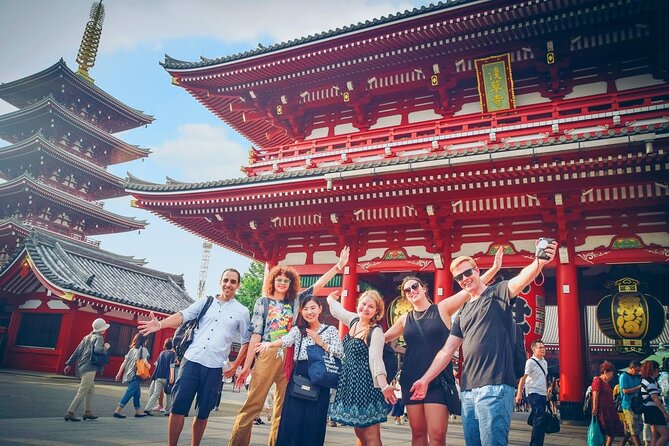
Orientation: let a local guide turn your first temple morning into a Tokyo day you understand, then choose only the other stops that matter to you.
This is a customizable Tokyo tour, not an Asakusa-only tour. Ask for Senso-ji and combine it with 1–4 other stops according to the four-, six-, or eight-hour option.
Check private-guide datesYanaka: choose a day with room to breathe
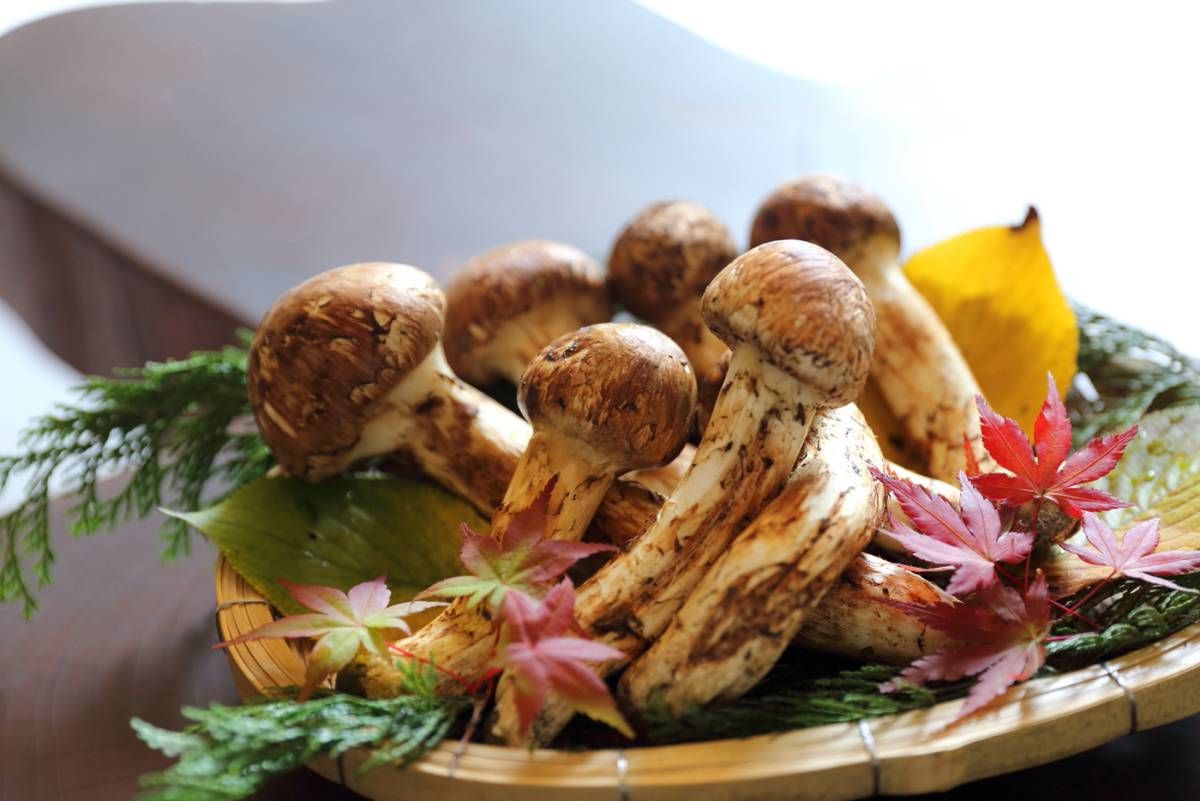
What you can experience: a neighborhood-paced walk, small shops, older streets, food stops, and the pleasure of following an afternoon rather than a checklist.
Best for: repeat visitors, couples, and travelers who would rather browse than queue for a famous crossing.
Day and night: this is strongest in daylight and early afternoon. It is the counterweight to a packed Tokyo schedule, so do not force it into a late-night itinerary.
Season: leave the afternoon loose, then let a reserved Japanese dinner at Yanaka Tsumugi give the temple-town day one deliberate ending.
Reserve Yanaka TsumugiStill deciding? Compare four reservations and two street-food stops →
Shibuya: step into modern Tokyo in motion
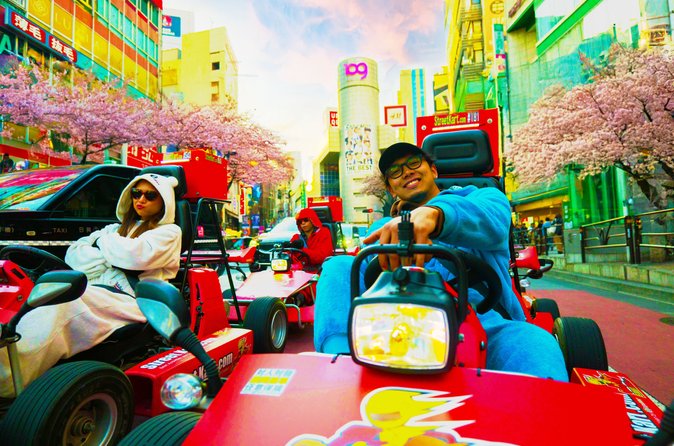
What you can experience: Shibuya Crossing, fashion streets, Harajuku and Omotesando nearby, plus food-led bar hops, social pub crawls, and a private dinner-to-club option.
Best for: short stays, first-time visitors with a clear picture of modern Tokyo, and travelers who want to participate in the street scene rather than only photograph it.
Day and night: daylight makes the architecture and surrounding streets easier to read; evening brings the lights and movement that many visitors came to see. Choose one, then let the rest of the day stay in the same part of town.
Momentum: choose the official street-kart route when moving through Shibuya Crossing, Harajuku, and Omotesando should be the memory rather than another photo stop.
Check live Shibuya street-kart datesEvery driver must confirm the operator's current original-document requirements before booking.
Still deciding? Compare the day, food, and nightlife routes →
Walk from Shibuya through Cat Street and Harajuku to Meiji Jingu →
Roppongi: start social, then choose how late the night goes
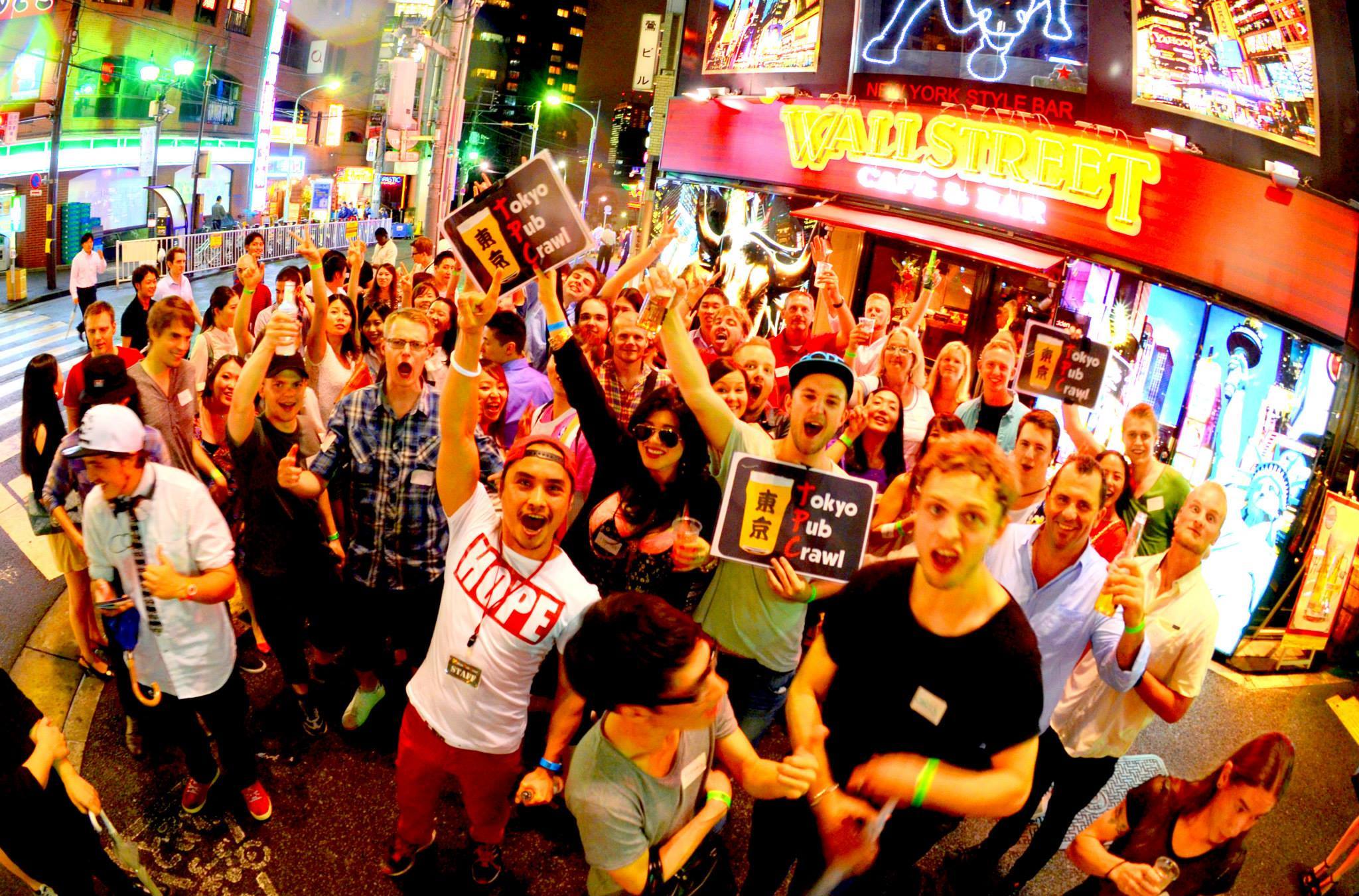
What you can experience: a hosted multi-venue pub crawl, a ready-made group of travelers, drink discounts, and a late club entry rather than an improvised one-bar night.
Best for: solo travelers and groups who want the social crawl itself to be part of the trip.
Day and night: this is a night-only choice. It is strongest when the following morning can remain flexible and the traveler wants a longer organized evening rather than a single dinner reservation.
Together: choose the Tokyo Pub Crawl when arriving alone but leaving with a ready-made group should be the point of the night.
Check live Roppongi pub-crawl datesAkihabara: use one route to see several Tokyos
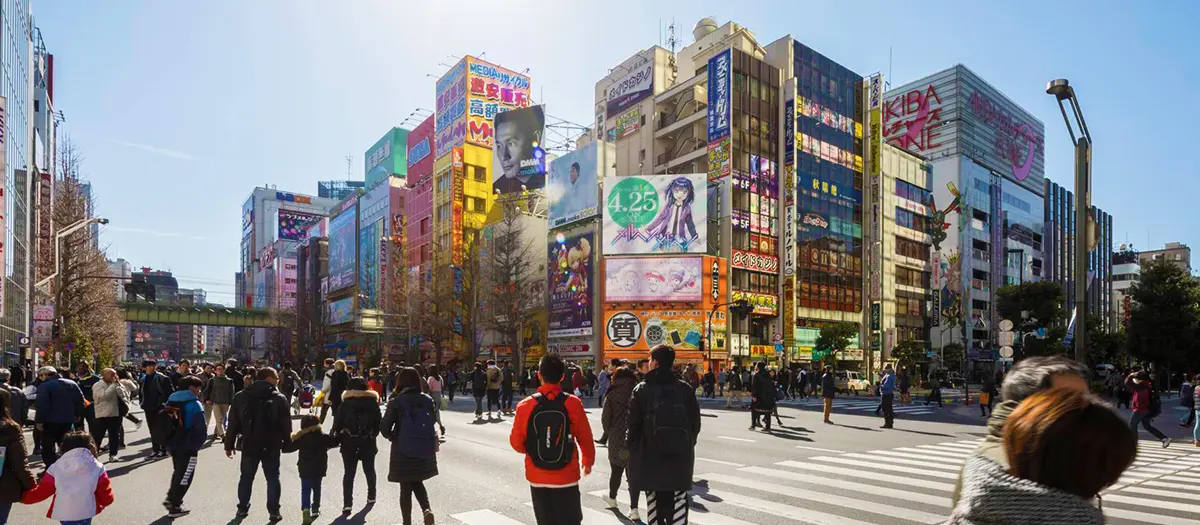
What you can experience: anime, games, electronics, themed shopping, and a compact central-city base that can also connect Tokyo Station and Ginza.
Best for: pop-culture fans, travelers who want variety in one short outing, and visitors staying on the eastern or central side of Tokyo.
Day and night: shops and hobby destinations make the daytime useful; the signs and surrounding city energy carry the area later into the evening. Build it around your interests rather than treating it as a compulsory Tokyo stop.
Choose an Akihabara day: maid cafés, idol lives, anime and electronics →
Tsukiji & Ginza: market morning, unforgettable Tokyo night
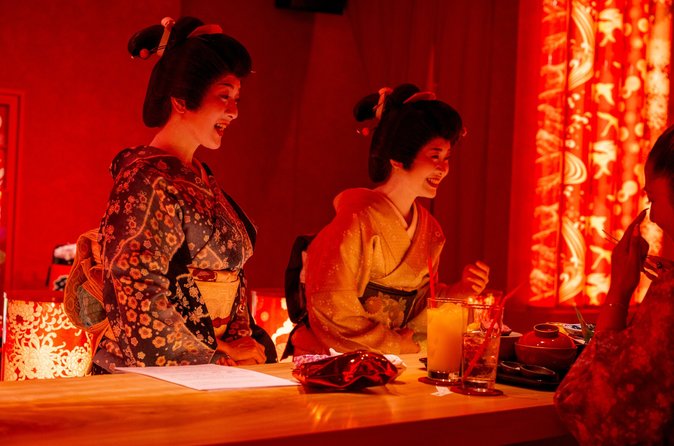
Occasion: spend the day around Tsukiji and Ginza, then take home a Tokyo night of food, dance, conversation, and traditional games with geisha.
The experience is in Shimbashi, one stop from Ginza and a practical continuation of the same central-Tokyo day. It includes a show, food, and alcoholic drinks; guests must be 20 or older.
Check the geisha dinner datesOdaiba & Toyosu: make room for the bay
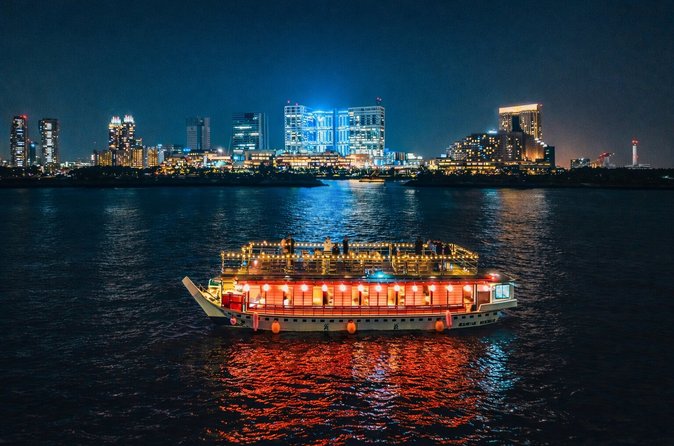
Afterglow: watch Odaiba become the view while dinner, lantern light, and a traditional performance share one boat.
Choose the dinner option before paying: the lowest-priced Viator package may not include the sukiyaki meal. Arrive early for the fixed boarding time.
Check Odaiba cruise options