Tokyo Planning
Tokyo 2-Day Itinerary for First-Time Visitors (Plus 1- and 3-Day Plans)
Affiliate disclosure: This page contains affiliate links. If you book or buy through them, we may earn a commission at no extra cost to you. As an Amazon Associate we earn from qualifying purchases.
CHOOSE YOUR NEXT STEP
- Choose eSIM for one phone; choose pocket Wi-Fi when several devices share a connection.
- Pick one neighborhood: Shinjuku night, Asakusa landmarks, Yanaka calm, or Shibuya motion.
- Reserve food tours, sumo, cruises, or kart routes only after selecting that neighborhood.
- Keep each day geographically tight; leave ordinary food stops and walks unbooked.
This Tokyo 2-day itinerary keeps western and eastern Tokyo on separate days, so a first visit is not consumed by crossing the city. The page also includes a compressed 1-day route and a slower 3-day alternative. A first Tokyo trip does not need every hour planned, but it does need a few decisions made in the right order: arrive connected, choose the kind of Tokyo day you want, then reserve only the experiences that depend on a fixed time or place.
How long should a first Tokyo trip be?
Do not answer this with a universal number. Answer it with the number of different Tokyo days you want. A compact first visit can hold one east-side day, one west-side day, and one flexible day for the experience or neighborhood that matters most. More time lets you add the bay, a slower old-Tokyo afternoon, or a day trip without turning every morning into a transfer.
The useful rule is one part of the city per day. If the itinerary repeatedly sends you from Asakusa to Shibuya and back east again, the problem is not the length of the trip. It is the order. When you have one extra day, choose Kamakura for shrine, streets, and the Great Buddha, Hakone for lake, mountain transport, art, or an onsen night, or Yokohama for garden, Chinatown, and a harbor skyline. Do not improvise any of them as a second Tokyo checklist.
Ready-to-use Tokyo itineraries for one, two, or three days
These are not lists of everything Tokyo contains. They are routes with a direction. Times are pacing guides rather than opening-hour promises; check the current official hours for any paid venue or date-sensitive event before relying on them.
One day: old Tokyo in the morning, modern Tokyo after lunch
Use this only when one Tokyo day must show the contrast most first visitors came to see. It is intentionally selective.
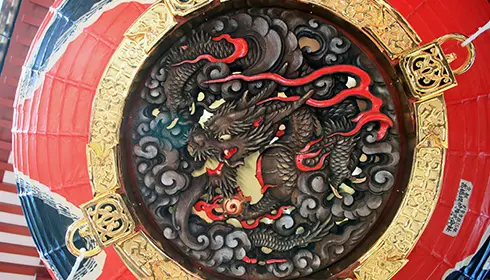
- 8:30: Kaminarimon and Senso-ji. Start on the east side before the day fragments. Walk the gate, Nakamise, Hozomon, incense burner and Main Hall as one sequence. The Asakusa guide explains where food and the river fit without reducing the temple to a photograph.
- 10:30: Choose Asakusa’s energy. Stay near Nakamise for a warm sweet and the shopping-street atmosphere, or move toward the Sumida River for space and the Skytree contrast. Do not try to do both deeply on a one-day route.
- 12:00: Eat before crossing the city. Choose an independent tempura or soba lunch, or use an Asakusa food experience only if the guided meal is the day’s main reservation. Do not add a long food tour merely to fill the schedule.
- 14:00: Move west once. Take the subway toward Shibuya. This is the day’s single large transfer; after it, stay in western Tokyo.
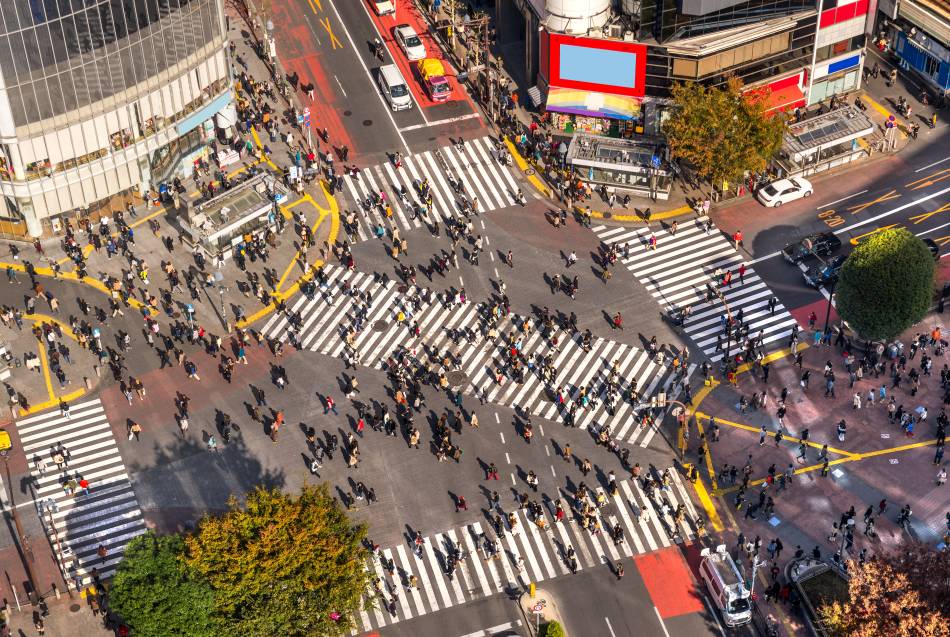
- 15:00: Shibuya Crossing and the streets behind it. See the crossing, then walk rather than returning immediately to the station.
- 16:30: Continue toward Harajuku and Meiji Jingu. Use the Shibuya-to-Harajuku walk to connect the neighborhoods as one route.
- 19:00: Choose one western-Tokyo evening. Eat in Shibuya for city energy or continue to Shinjuku when a food-led night matters more than an early finish. Do not return to Asakusa just to complete another checklist.
Access
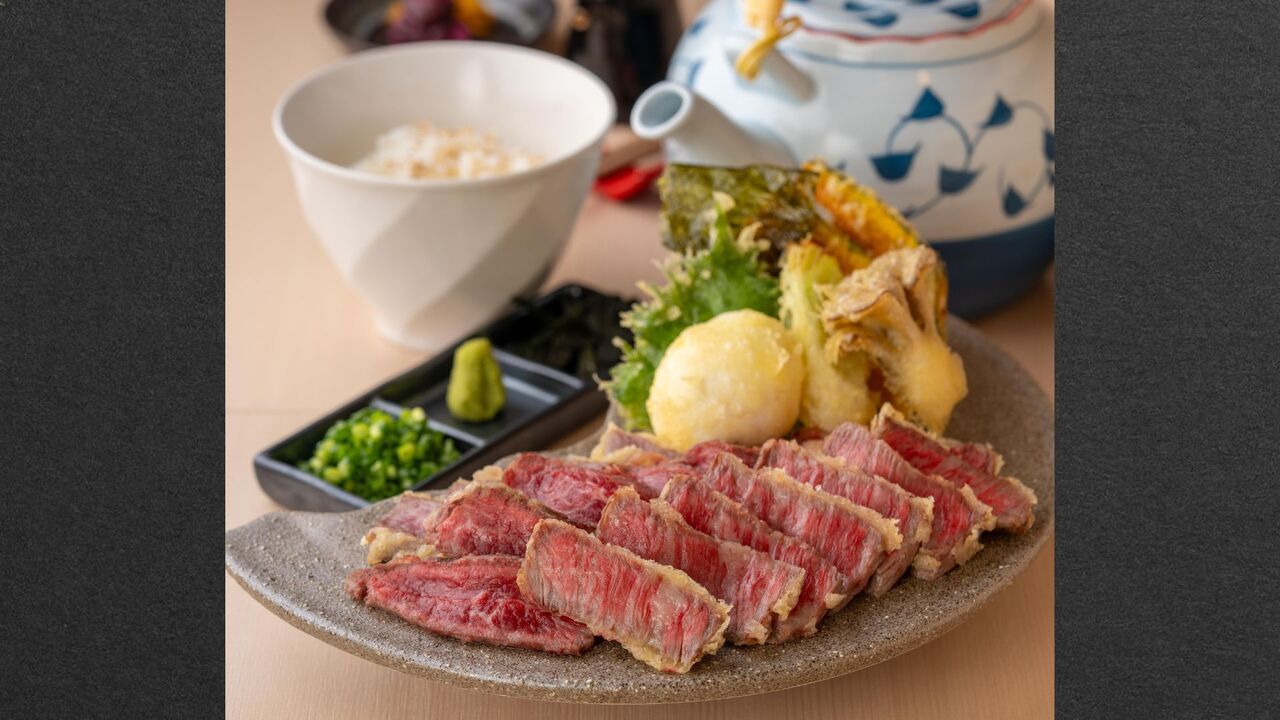
Tempura Asakusa SAKURA
Choose this when dietary access should make the tempura memory easier to share before crossing Tokyo.
Reserve SAKURA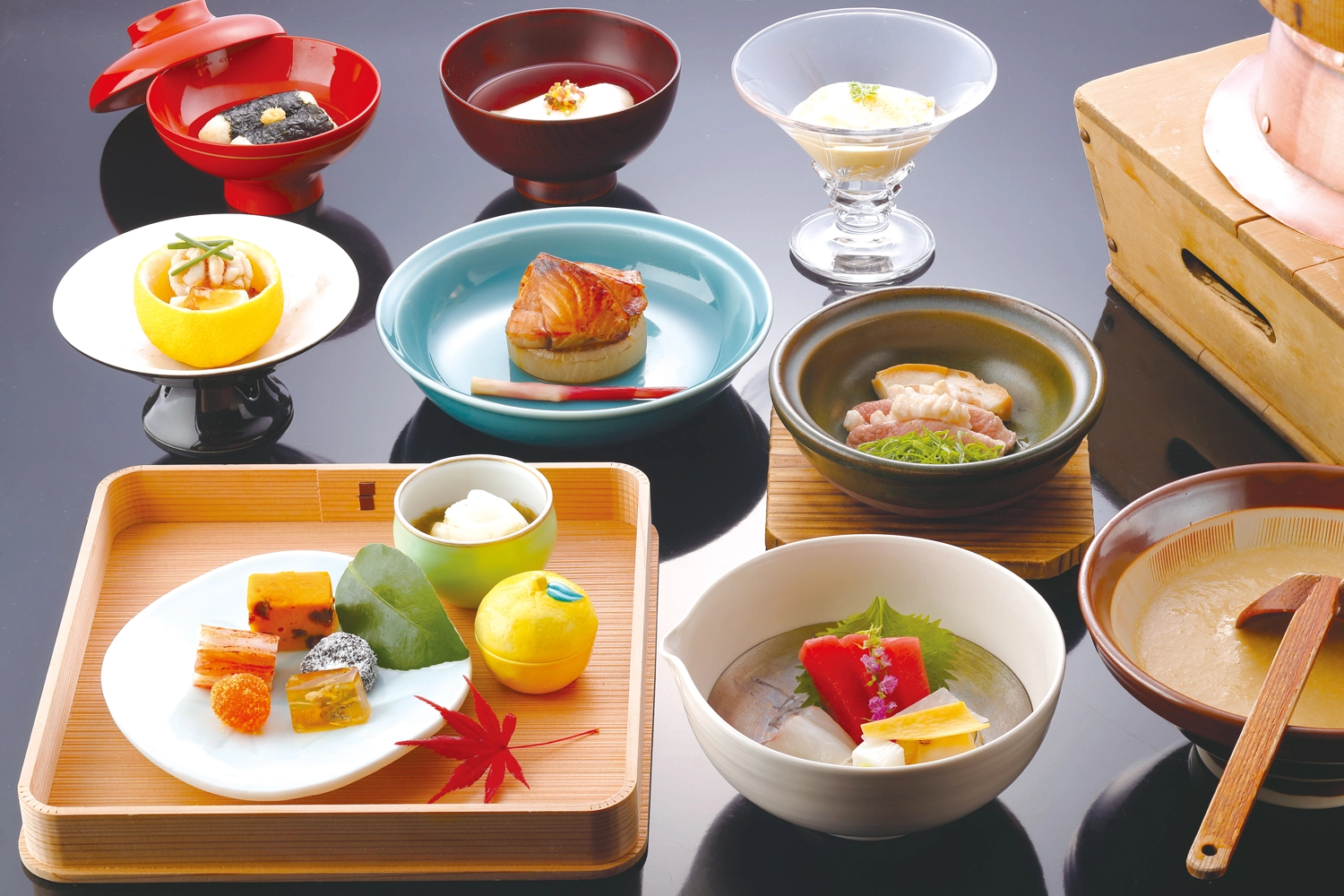
Gentle
Asakusa Mugitoro
Choose this when the temple morning should settle into a quieter Japanese meal.
Reserve Asakusa MugitoroTwo days: divide Tokyo into west and east
This is the cleanest short first visit because each day has one side of the city.
Day 1: Western Tokyo in motion
- 9:00: Meiji Jingu. Begin with the forest and shrine before Harajuku’s shops become the dominant mood.
- 10:30: Harajuku and Cat Street. Walk toward Shibuya instead of taking a train for one stop.
- 12:30: Shibuya lunch. Choose a restaurant that fits the next part of the day; the Shibuya restaurant guide separates a quick meal from an occasion.
- 14:00: Shibuya Crossing and backstreets. Give the district time beyond the crossing itself.
- 17:00: Move to Shinjuku once. Use the Shinjuku guide to choose observation, gardens, shopping or the start of the night rather than trying to cover every side of the station.
- 19:00: Protect one evening memory. Choose a restaurant independently or use a Shinjuku food experience when entering several small places with a guide is the value you want.
Seafood
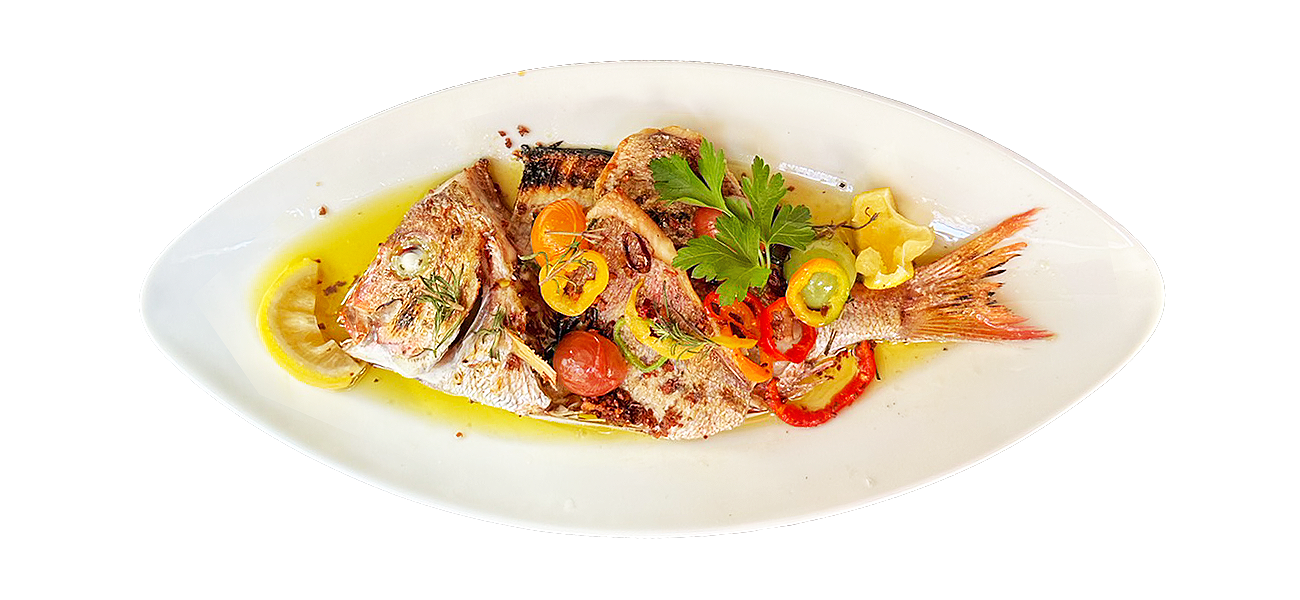
Kaikaya By the Sea
Choose this when the Shibuya meal should become an energetic seafood progression.
Reserve Kaikaya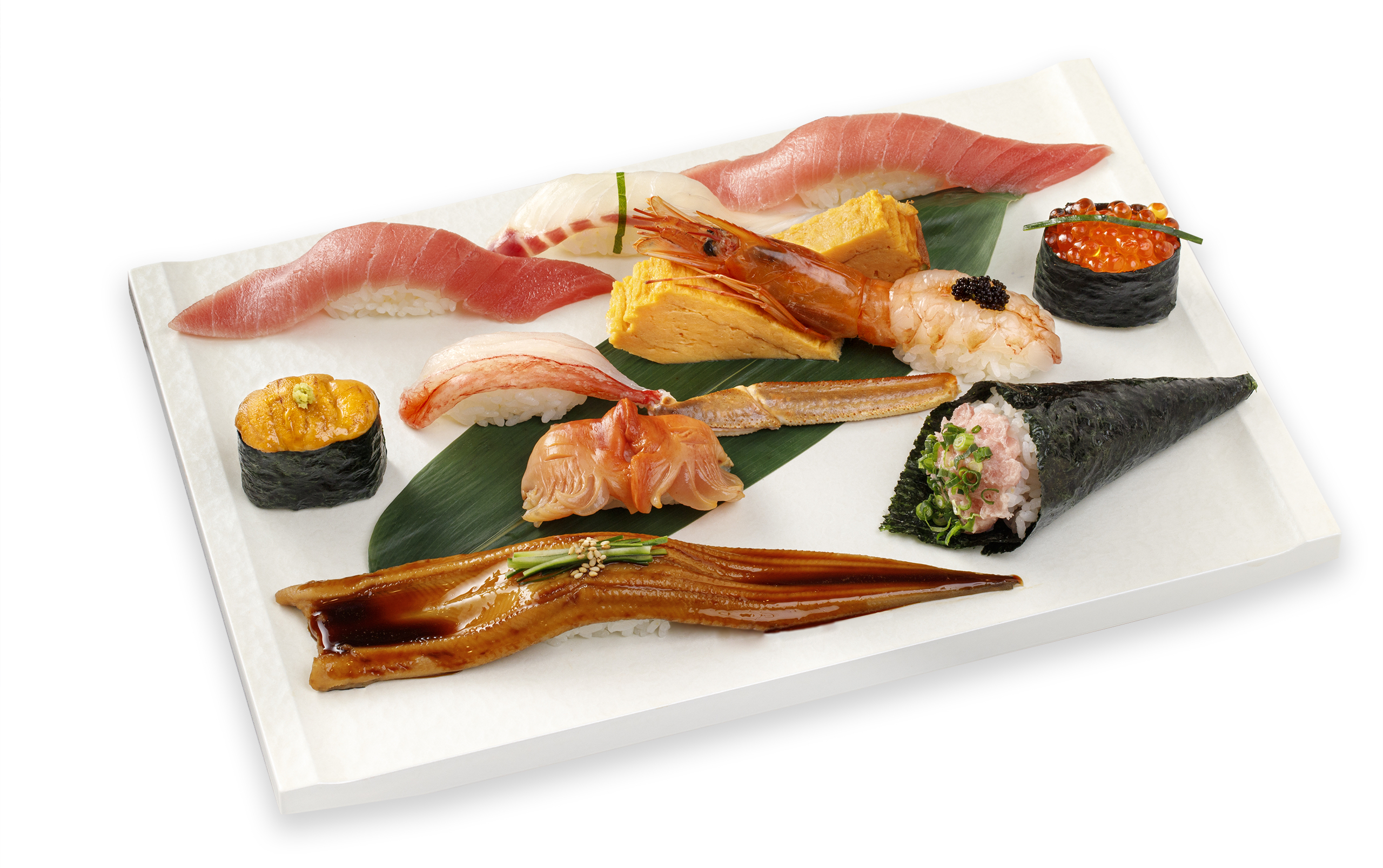
Sushi
Sushi no Midori Shibuya
Choose this when sushi is the decision you have already made.
Reserve Sushi no Midori
Belonging
Shinjuku Izakaya Food Tour
Choose this when the guide, several small stops and entering the night together are the memory.
Check live Shinjuku tour dates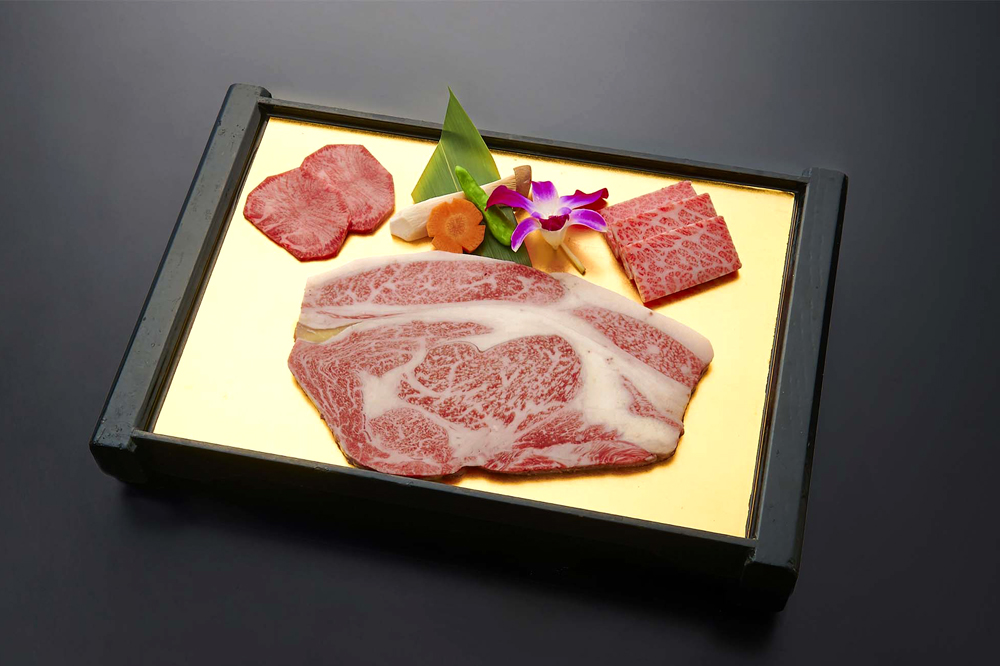
Feast
Rokkasen Shinjuku
Choose this when one abundant beef dinner should hold the group together.
Reserve RokkasenDay 2: Eastern Tokyo and the river
- 8:30: Senso-ji and Nakamise. Give the temple the first chapter.
- 10:30: Asakusa food or local detail. Choose one sweet, a deliberate lunch, or a guided crawl; do not treat all three as requirements.
- 13:00: Sumida River. Walk toward the water and decide whether the Skytree side genuinely improves the day.
- 15:00: Ueno or Tokyo Station, not both deeply. Choose Ueno for museums and park space; choose Tokyo Station and Marunouchi for architecture, shopping and an easier central finish.
- 18:00: Finish near the last stop. Use the Ueno or Tokyo Station and Marunouchi restaurant guide instead of crossing Tokyo again for a famous dinner.
Discovery
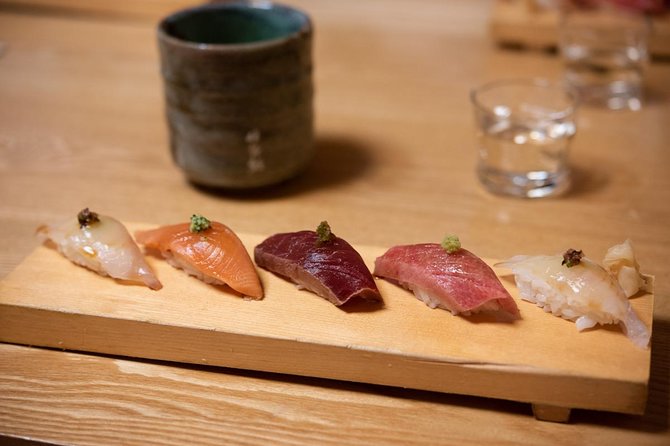
Asakusa Street Food Crawl
Choose this when small shops, several tastes and the guide's sequence should turn the temple area into a food memory.
Check live Asakusa crawl dates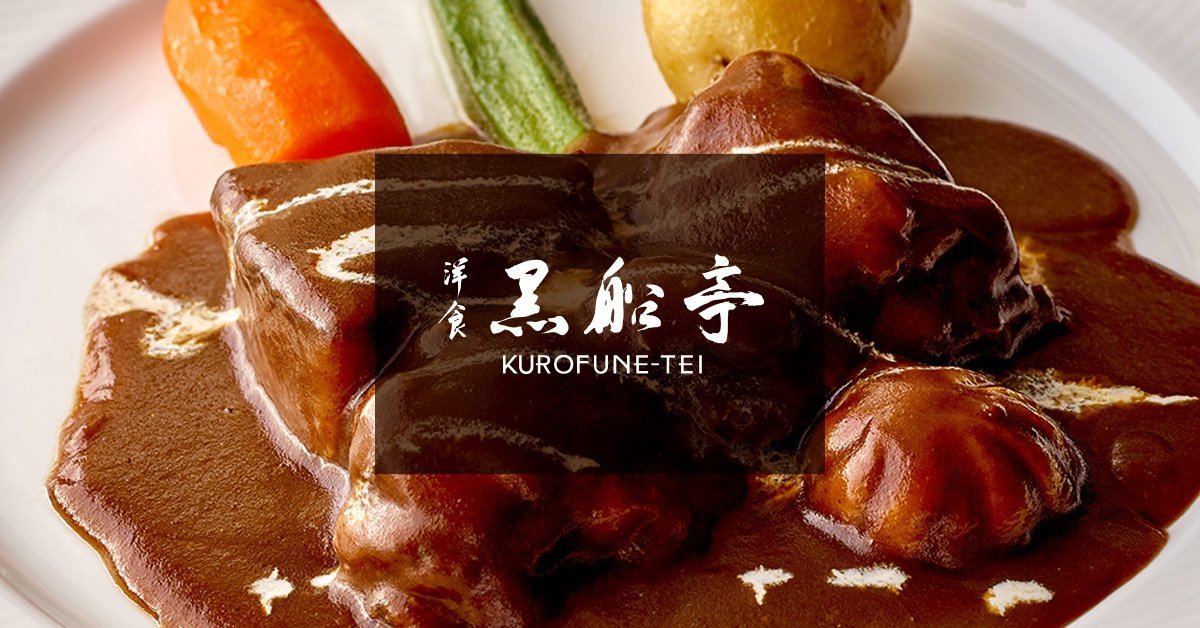
Ueno finish
Kurofunetei
Choose this after the Ueno branch when historic yoshoku and slow-made demi-glace should close the old-Tokyo day without another train ride.
Reserve Kurofunetei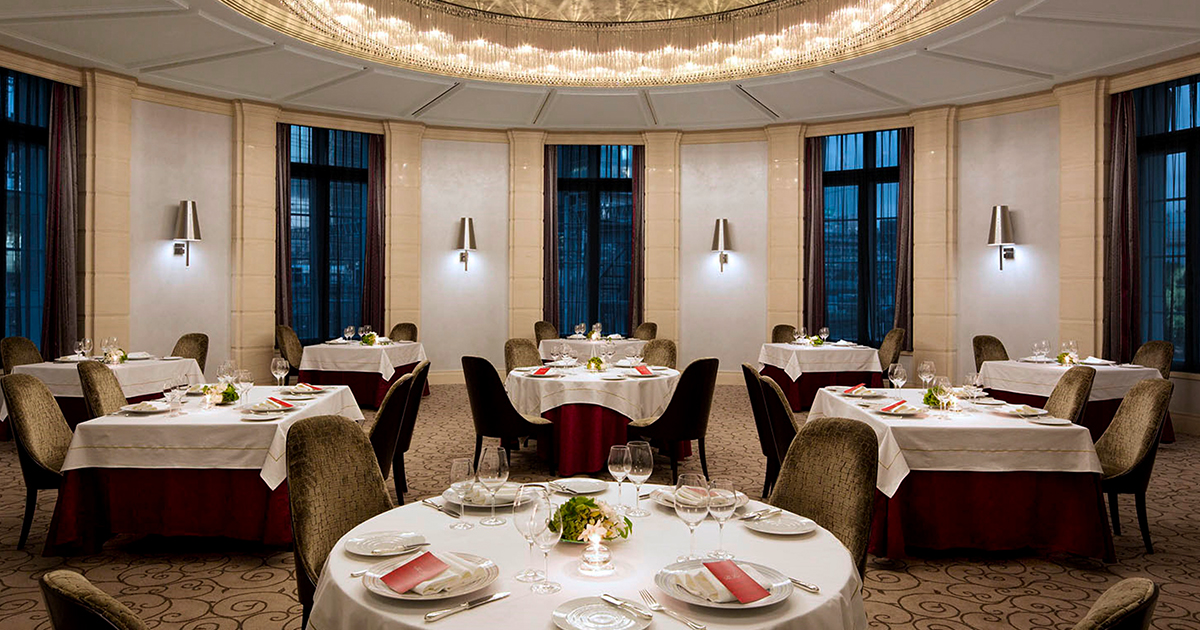
Station finish
Blanc Rouge
Choose this after the Marunouchi branch when the red-brick station and one composed dinner should become the final scene of the day.
Reserve Blanc RougeThree days: add depth instead of adding distance
Use the two-day route above, then give the third day a distinct purpose.
- 9:30: Choose one slower neighborhood. Yanaka gives you old streets and small-scale food; Kiyosumi-Shirakawa gives you gardens, coffee and contemporary art; Odaiba gives you waterfront scale and indoor options. Compare them in the Tokyo neighborhood guide.
- 12:30: Eat where you already are. The third day should reward staying local rather than repeat the west-east transfer pattern.
- 14:30: Add one experience with depth. Choose a ramen tasting to understand variation, a ramen and sushi class to participate, or a tea ceremony to slow the day down. Pick one motive, not three product categories.
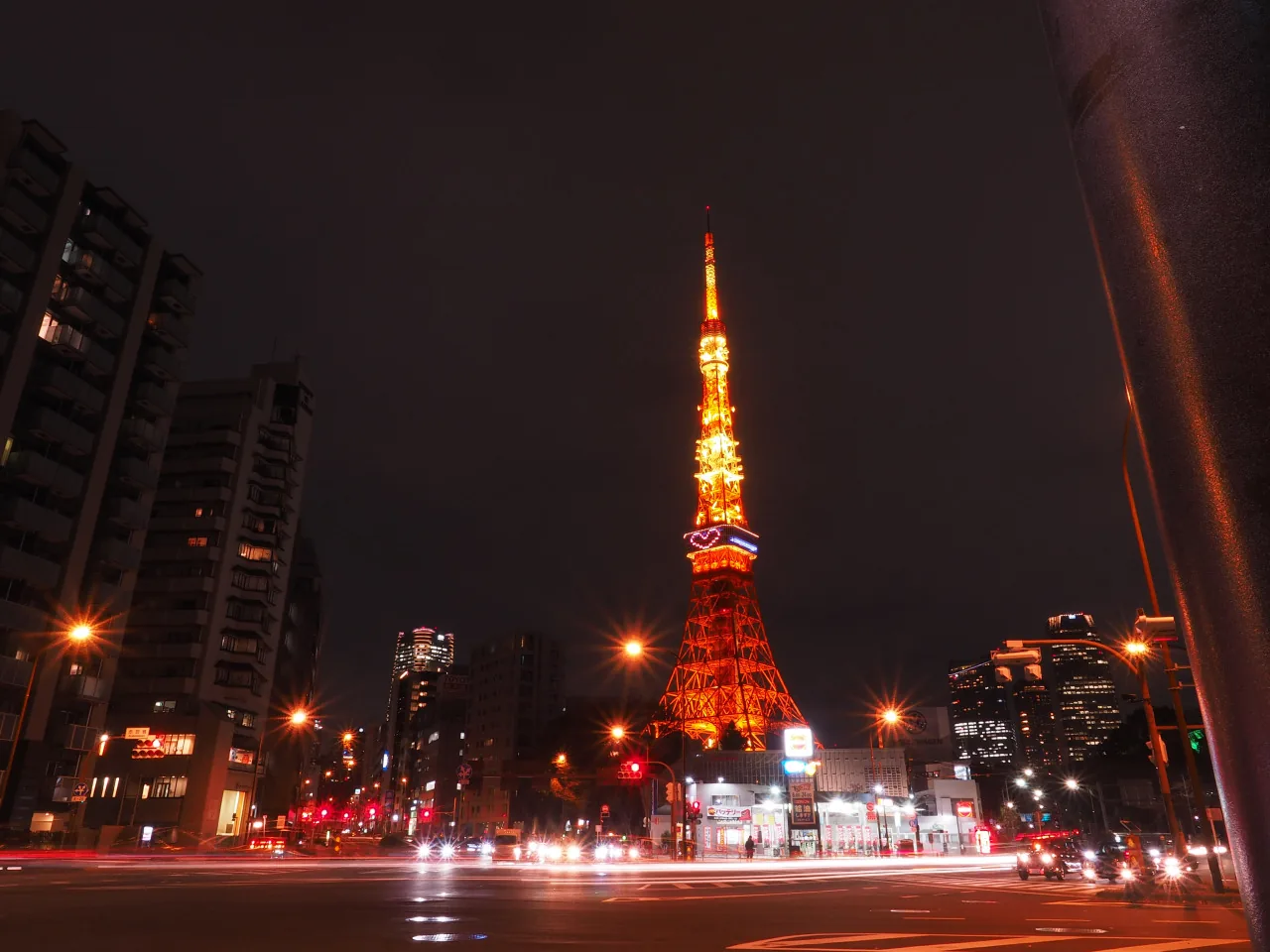
- 18:00: Give Tokyo a final mood. Choose a Tokyo Tower evening, a yakatabune dinner cruise, or an unbooked neighborhood dinner according to how fixed you want the last night to be.
Yanaka: old streets without another checklist
Start: JR Nippori Station. Walk the neighborhood and Yanaka Ginza, then eat nearby. Keep the afternoon in Yanaka or Ueno. Move to Asakusa for the tea ceremony only when that is the day's one fixed experience; otherwise, do not create a cross-town booking.
Rain or fatigue: shorten the street loop and finish around Ueno rather than replacing every missed lane.
Kiyosumi-Shirakawa: garden, coffee and art at one pace
Start: Tokyo Metro Kiyosumi-shirakawa Station (Z11), also served by the Toei Oedo Line. Choose the garden, coffee streets and one art stop according to current opening information, then eat in the same area. The Kiyosumi-Shirakawa restaurant guide separates coffee, Fukagawa food and bookable dinners.
Rain or heat: reduce the garden time and protect one indoor stop. Do not add the ramen, sushi or tea bookings above unless their live meeting point keeps the day geographically coherent.
Odaiba: make the waterfront the whole chapter
Start: take the Yurikamome from Shimbashi and use Odaiba-kaihinkoen Station (U06) for the waterfront. Eat and spend the afternoon in the bay area rather than returning inland for a daytime booking.
Rain, heat or strong wind: shorten the exposed waterfront section and choose one current indoor attraction after checking its official hours. If the weather removes the view you came for, leave earlier instead of filling the day at random.
Do not combine A, B and C. The third day becomes useful because it adds depth. Pick the route before choosing the 14:30 experience; if the meeting point breaks the geography, keep the neighborhood and move the booking to another day.
Arrive connected
The first decision happens before the plane lands. Data makes the rest of the trip easier to change: you can find the hotel, use maps, see live meeting instructions, and make a route adjustment without turning arrival into a search for a counter. Choose an eSIM when you want a phone-based connection, or pocket Wi-Fi when one connection needs to serve a group.
Choose a Japan eSIM
Compare the connection type, provider, and setup path before the flight, then buy the plan that matches the length and intensity of your trip.
Compare eSIM options →Choose Pocket Wi-Fi
Use this route when several devices need one connection and carrying a rental unit fits the way your group travels.
Compare Pocket Wi-Fi →Choose your version of Tokyo
The next decision is not a restaurant or a ticket. It is the kind of city day you want. A food-focused night in Shinjuku, a sightseeing day that stays in Asakusa, a slower Yanaka afternoon, or a moving route through Shibuya and Akihabara all create different trips even when the hotel is the same.
Find the neighborhood that fits the day
Compare the rhythm of east, west, central and waterfront Tokyo before choosing individual stops.
Choose a neighborhood →Choose the Tokyo memory you want
Start with classic sights, food, old streets, waterfront Tokyo, a couple's day, or a short stay.
Choose by travel style →Reserve the memory, not every minute
Leave ordinary walks flexible. Reserve the experiences that depend on a timed seat, a guide, a boat, a fixed route, or a particular event date. That can be a food tour, sumo, a yakatabune dinner cruise, or a street-kart route. The purpose is not to fill the itinerary. It is to protect the part of the trip that you would be disappointed to miss.
Choose a food tour by the day you have
Start with Shinjuku, Asakusa, or Yanaka and let the food experience support the place you already want to be.
Plan the food-tour day →Build a day around sumo
Event dates and ticket routes come first. Once those are clear, the rest of the day can fit around the real start and finish.
Plan sumo tickets →Make dinner a Tokyo Bay experience
Choose this when the meal, the water, and the evening view should be one reservation rather than three separate plans.
Compare yakatabune bookings →Choose an official Tokyo Halloween event
Compare Ikebukuro cosplay, a Disney park day, and Roppongi Art Night by costume plan and evening mood. Puroland's overnight party is sold out with no door tickets as of October 7. Do not assume Shibuya street Halloween is a bookable event.
Plan Tokyo Halloween 2026 →Keep the day geographically coherent
The easiest Tokyo day is not the one with the most famous stops. It is the one that does not make you cross the city simply because a popular activity looked good in isolation. Use the neighborhood guide first, then use the experience guide to find the booking that belongs there.
For a first western-Tokyo half-day, use the Shibuya to Harajuku Walk to connect the Crossing, Cat Street, Harajuku, and Meiji Jingu without treating them as separate station stops.
Where should a first-time visitor stay?
Choose the base by the part of the trip you do not want to commute to. Shinjuku or Shibuya suits a west-side trip with late evenings. Tokyo Station, Nihonbashi, Ginza, Shimbashi, or Hamamatsucho keeps central Tokyo and onward rail connections close. Asakusa or Ueno makes an east-side, older-Tokyo itinerary easier to hold together.
Use our where to stay in Tokyo comparison to choose between Shinjuku, Asakusa, and Tokyo Station or Ginza by transport, nights, food and luggage. It resolves the area before asking you to compare hotel names.
When is the best time to visit Tokyo?
Start with the event or atmosphere you care about, then accept the trade-off it creates. Seasonal blossoms, summer fireworks, autumn events, and winter illuminations each change what deserves protected time. If no seasonal event is essential, choose the period that works for your wider Japan trip and build Tokyo from neighborhoods that remain rewarding without a single date-dependent attraction.
For date-sensitive plans, verify the current organizer page before booking transport around the event. Our fireworks ticket guide, sumo ticket guide, and Tokyo Halloween guide separate confirmed routes from assumptions.
How should you get around Tokyo?
Use rail for the large move, then walk the neighborhood. A route-planning app and a working data connection matter more than memorizing every line before arrival. Keep transfers from becoming the itinerary: group nearby streets, meals and timed bookings, and treat a cross-city move as the start of a new chapter rather than something to repeat all day.
What practical decisions should you settle before arrival?
Settle connectivity, your first route from the airport, the address of the first stay, and the timed booking you would be most disappointed to lose. Keep a payment alternative available and check the current rules on the official page for any venue, ticket, age limit, or event restriction that could change the day.
Families should protect more margin between fixed times. A private guide can be valuable when the main need is interpretation or a route shaped around the group, but it is not a substitute for deciding which version of Tokyo the group wants. Cultural experiences work best when they belong to the neighborhood and day rather than appearing as an isolated booking.
If making the meal is the memory, the Tokyo ramen and sushi cooking-class guide checks the exact hands-on scope before you reserve. Choose it for the confidence of taking the process home, not merely because ramen and sushi are familiar category names.
Where should you go after Tokyo?
Do not choose the next city by fame alone. Choose Kyoto when shrines, temple streets and one deliberate ritual should change the pace after Tokyo. Choose Osaka when food, neon and a looser night should keep the trip moving.
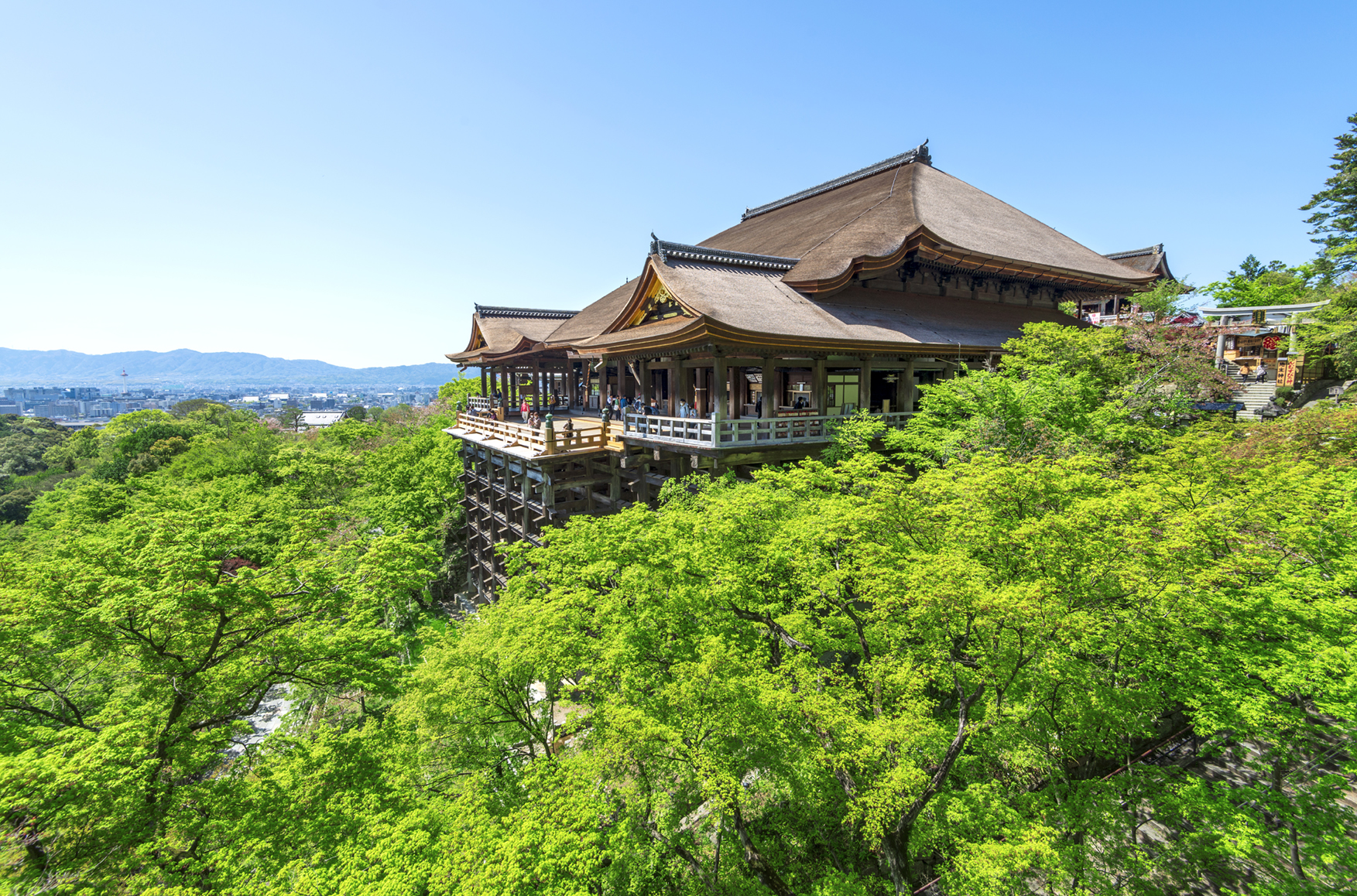
Kyoto after Tokyo
Enter Kyoto through its own guide: choose the one memory to reserve first, then build shrines, food, tea, or bamboo around it.
Open the Kyoto travel guide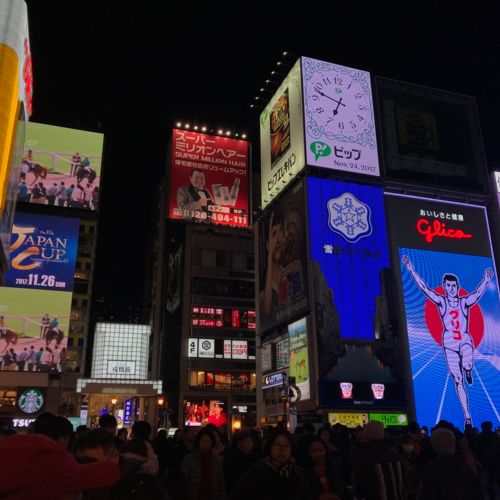
Osaka after Tokyo
Connect the castle, Namba and Dotonbori on a first day, then choose whether food or Shinsekai deserves the evening.
Plan your first Osaka dayYour first Tokyo checklist
Choose the shape of the trip
Give each day one geographic center and decide which Tokyo memory matters most.
Choose the base
Stay near the evenings, early starts, or onward connection you most want to simplify.
Protect the fixed moments
Reserve the seat, guide, boat, event or special meal that cannot simply move to another hour.
Leave room for Tokyo
Keep ordinary meals, walks and discoveries flexible so the city is not reduced to appointments.
Image sources
- Shibuya, GO TOKYO, accessed 2026-08-31. Shibuya Scramble Crossing image from the Tokyo Convention & Visitors Bureau.
- Kaminarimon Gate, GO TOKYO, accessed 2026-08-31. Senso-ji image used for the lantern detail.
- Tokyo Tower at nighttime, Wikimedia Commons, accessed 2026-08-31. Photo by Harry Wang, CC0 1.0; resized and converted to WebP.

Route sources
- Tokyo Metro lines: visitor fare and travel-time examples, Tokyo Metro, published 2026-04-14 and accessed 2026-09-05. Used for the Asakusa–Shibuya Ginza Line example.
- Route and station information and English subway map, Tokyo Metro, accessed 2026-09-05. Use the live search for the travel date.