Tokyo
Odaiba: Things to Do, Bay Restaurants, and Dinner Cruises
Affiliate disclosure: This page contains affiliate links. If you book or buy through them, we may earn a commission at no extra cost to you. As an Amazon Associate we earn from qualifying purchases.
CHOOSE YOUR NEXT STEP
- Water: Odaiba feels more open and slower than central Tokyo because the bay stays in view.
- Arrive by Yurikamome, Rinkai Line or water bus depending on the day around it.
- Use museums and shopping complexes when rain changes the waterfront plan.
- Stay through sunset when Rainbow Bridge, dinner or a cruise is part of the memory.
Go to Odaiba for open water, not another packed sightseeing list.
Tokyo suddenly feels wider here. Ride in with a bay view, choose one main attraction, then let sunset decide whether the day ends at a table or on a boat.
- First visit? Allow half a day or more.
- Bad weather? Build the middle around one indoor attraction.
- Special evening? Choose a restaurant or moving bay view now.
CHOOSE YOUR ENDING FIRST
What do you want to remember?
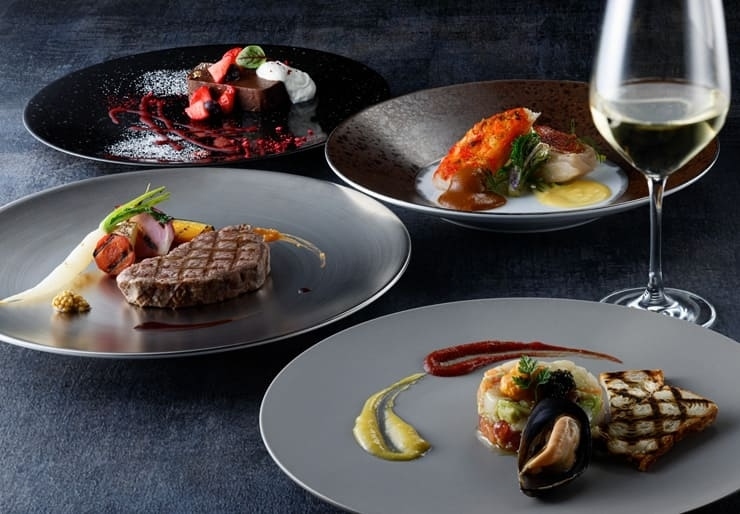
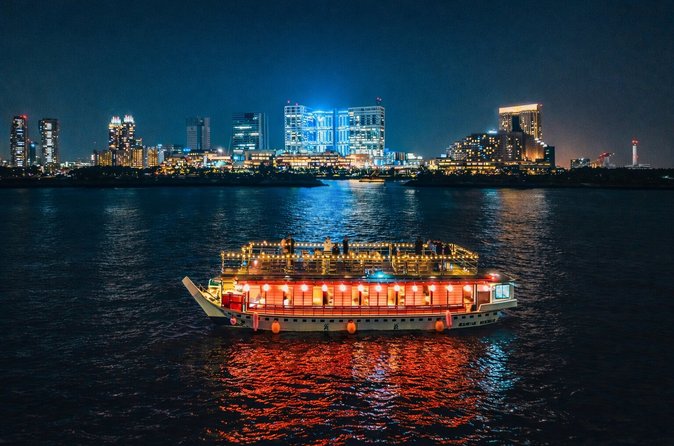
TOKYO MOVING PAST YOU
A lantern-lit night on the water
Choose the dinner option if you want the meal, traditional boat interior and Odaiba lights in one memory.
Check live cruise datesCompare boats, meals and seatsOdaiba is Tokyo’s breezy entertainment waterfront: broad views, modern architecture, shopping complexes, museums and a bay that changes the pace of the day. GO TOKYO recommends setting aside a full day when you want to combine several attractions rather than treating it as one quick stop.
What Odaiba feels like
The district began as fort islands built to defend Tokyo Bay and later became a modern leisure area on reclaimed land. Its distance from the dense center is part of the appeal: the horizon opens, Rainbow Bridge stays visible and large indoor attractions sit beside the waterfront.
That scale is also the main planning risk. Odaiba is not one compact building, so group attractions by the part of the waterfront where your day already is.
How to arrive
GO TOKYO lists three useful approaches: the elevated Yurikamome Line, the Rinkai Line and water-bus routes from the waterfront. The Yurikamome makes the arrival itself part of the view. The Rinkai Line can fit a day connected to Shibuya or Shinjuku. A water bus makes the change from older riverside Tokyo to the modern bay more visible.
Check the live route for your date before leaving; service patterns and connections can change.
A simple Odaiba day
- Arrive with the bay in view rather than beginning inside a shopping complex.
- Choose one main attraction or museum so the day has a center.
- Keep one indoor option for rain, heat or fatigue.
- Move toward the western waterfront before sunset if Rainbow Bridge or dinner is the finish.
The official guide points to shopping at Aqua City, DiverCity and DECKS, and to indoor choices including Miraikan and entertainment facilities. You do not need all of them in one day.
When rain changes the plan
Odaiba is easier to rescue than a purely outdoor neighborhood. Use a museum, shopping complex or indoor attraction as the middle of the day, then return to the water if conditions improve. Avoid crossing the whole district repeatedly between indoor choices.
Dinner or a cruise?
Choose a restaurant when the table, skyline window or chef performance is the main memory. Choose a yakatabune or bay cruise when movement across the water should be the experience itself.
Fix the bay finale
The table-versus-moving-view choice, product photos, and direct buttons appear once at the top of this page. If you still need the details, compare the six Odaiba restaurants with the Tokyo dinner-cruise guide before fixing the evening.
Sources
- GO TOKYO: Odaiba, updated September 1, 2026 and accessed September 5, 2026.
- GO TOKYO: Explore Odaiba, updated September 1, 2026 and accessed September 5, 2026.
- GO TOKYO: Odaiba Marine Park, updated February 16, 2026 and accessed September 5, 2026.
- Orange Tour yakatabune listing, checked September 7, 2026.