Tokyo
Tsukiji Food Planning Guide: How to Choose and Visit
Affiliate disclosure: This page contains affiliate links. If you book or buy through them, we may earn a commission at no extra cost to you. As an Amazon Associate we earn from qualifying purchases.
CHOOSE YOUR NEXT STEP
- Choose Kurogin for a bluefin tuna comparison.
- Add Shouro for a quick warm tamagoyaki stop.
- Reserve Aozora when sushi should be the main meal.
- Contact Uni-Tora when five kinds of uni are the reason to go.
Tsukiji is Tokyo’s historic food-market district. The wholesale market moved to Toyosu in 2018, but the Outer Market remains a dense, walkable collection of seafood counters, sushi restaurants, specialist shops and everyday market food.
This page explains the four direct stops in our short Tsukiji chooser. Use it when you want the reasoning before opening a menu or making a reservation.
What Tsukiji is good for now
Tsukiji works best as a food morning, not as a single attraction. The pleasure comes from moving between different formats: one specialist bite, one comparison, and perhaps one seated meal.
The official market guidance gives professional buyers priority before 9:00 a.m. It also asks visitors to eat inside each shop or immediately in front of it rather than walking while eating. Many businesses keep their own hours, close on different days or stop service when stock sells out.
A simple order for the morning
- Arrive after the professional buying period unless a shop specifically tells you otherwise.
- Start with the stock-sensitive item you care about most.
- Use tamagoyaki as a quick stop between seafood choices.
- Keep a reserved sushi meal separate from grazing so you arrive hungry enough to enjoy it.
There is no need to force all four stops into one visit. Choose the memory you actually want.
Why Namiyoke Shrine belongs in the route
Namiyoke Inari Shrine is not an unrelated sightseeing detour. The shrine stands at the market’s back corner, and its name means protection from waves. The official market history describes it as Tsukiji Market’s guardian; the shrine’s own history connects its origin to the difficult reclamation of Tsukiji in the seventeenth century.
Stop here before or after eating when you want the market to feel like a place with a past, not only a row of counters. The shrine is also easy to place on the official market map, so it adds context without breaking the food route.
See Namiyoke Shrine’s official guide
What is worth shopping for at Tsukiji
Tsukiji still supplies cooks, so the most convincing purchases are tools and pantry ingredients tied to Japanese food rather than generic souvenirs. Browse after the meal and choose by category; opening hours and closure days differ by shop.
TAKE THE MARKET HOME
Choose one kind of shop
COOK
Knives & kitchenware
Choose this when you want a tool that keeps the market morning present in your own kitchen. The official directory separates specialist knife shops from broader cookware stores.
Browse knife shops Browse kitchenware →MAKE DASHI
Katsuobushi
Dried bonito is one half of a classic dashi pairing. Choose it when the memory you want is the aroma and umami of a Japanese kitchen, not another decorative object.
Browse bonito specialistsPACK LIGHT
Nori & green tea
Seaweed and tea are easier to carry than fresh seafood and still belong to the market's working-food identity. Compare the official directory before choosing a shop.
Browse nori & tea shopsKurogin: make tuna the comparison
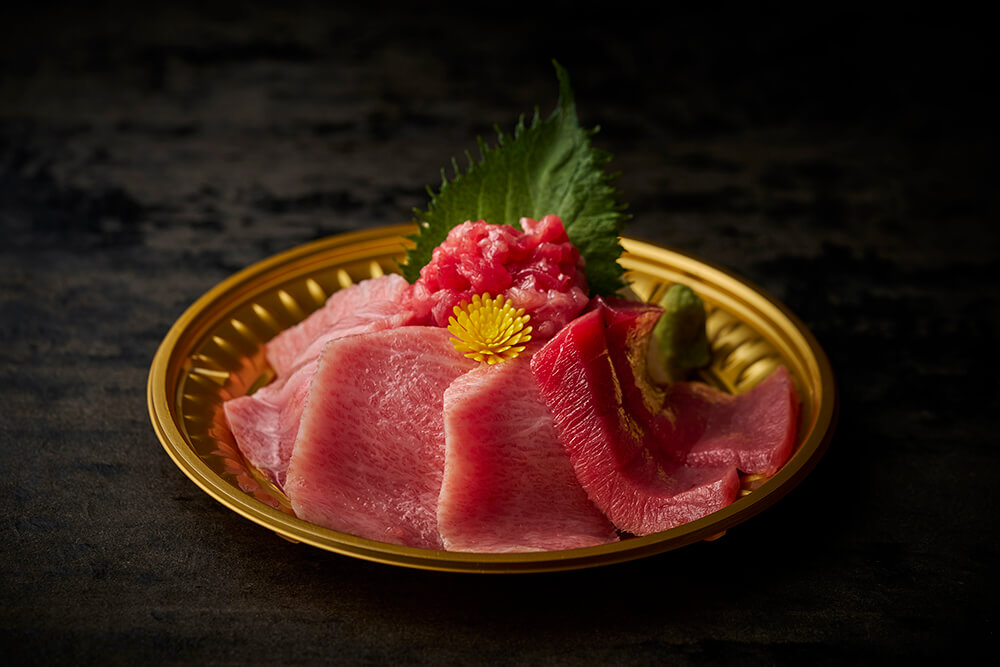
Maguroya Kurogin is the direct choice when bluefin tuna itself is the lesson. Its English menu separates kama-toro, o-toro, chu-toro and akami across sushi, sashimi and bowls, so the point is the change in richness from cut to cut rather than one generic tuna topping.
Treat Kurogin as a daytime walk-in and go early enough to protect the choice. The official market listing warns that service can finish when stock runs out.
Shouro: the warm break between seafood stops
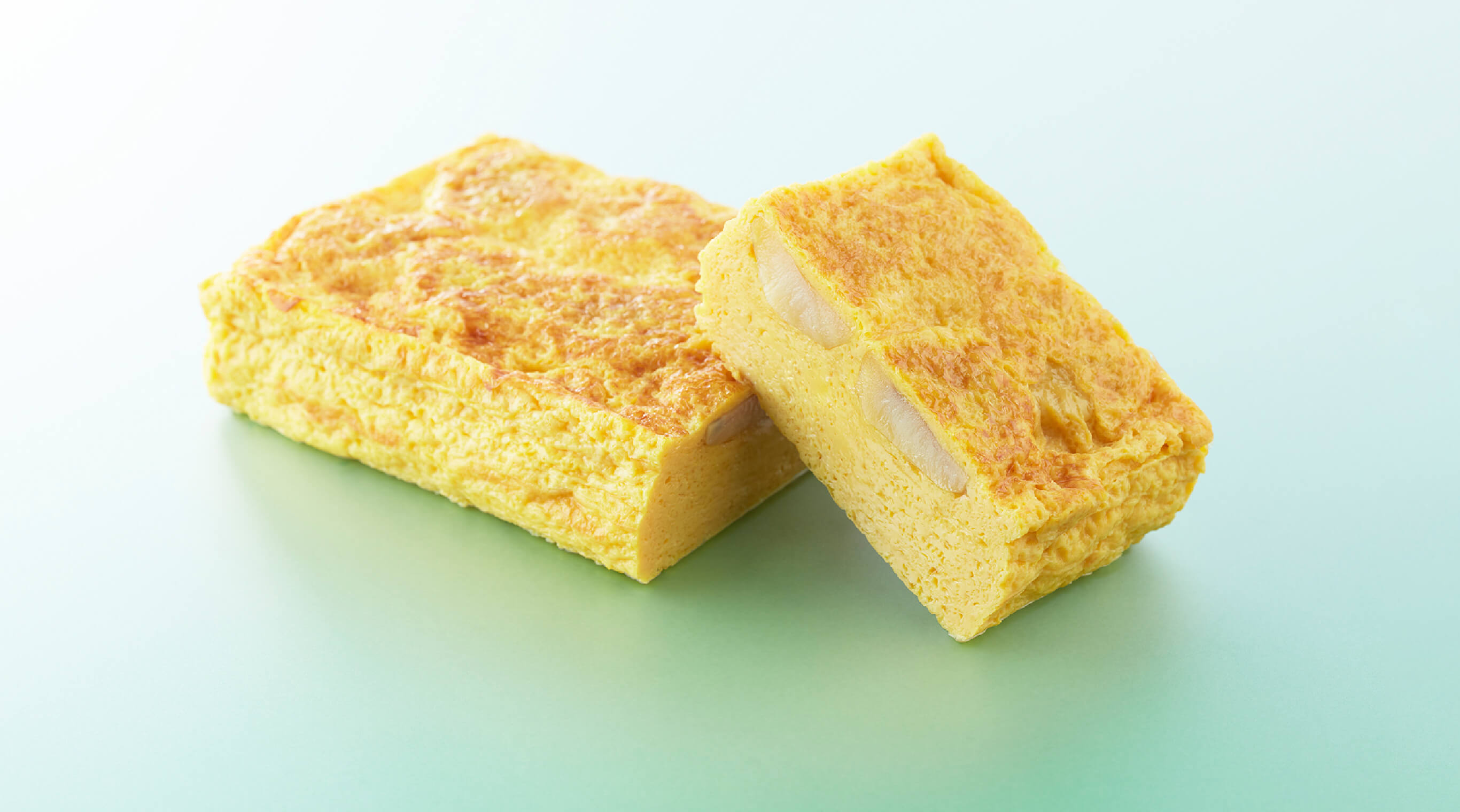
Tsukiji Shouro gives the morning a different rhythm. The shop grew from an Edo-style sushi restaurant into a tamagoyaki specialist and describes its egg as fluffy and smooth.
This is the flexible stop: a warm, slightly sweet bite between seafood counters rather than another full meal. Check the official shop information and visit as a walk-in.
Open Shouro’s official shop guide
Aozora Sandaime: reserve when sushi is the meal
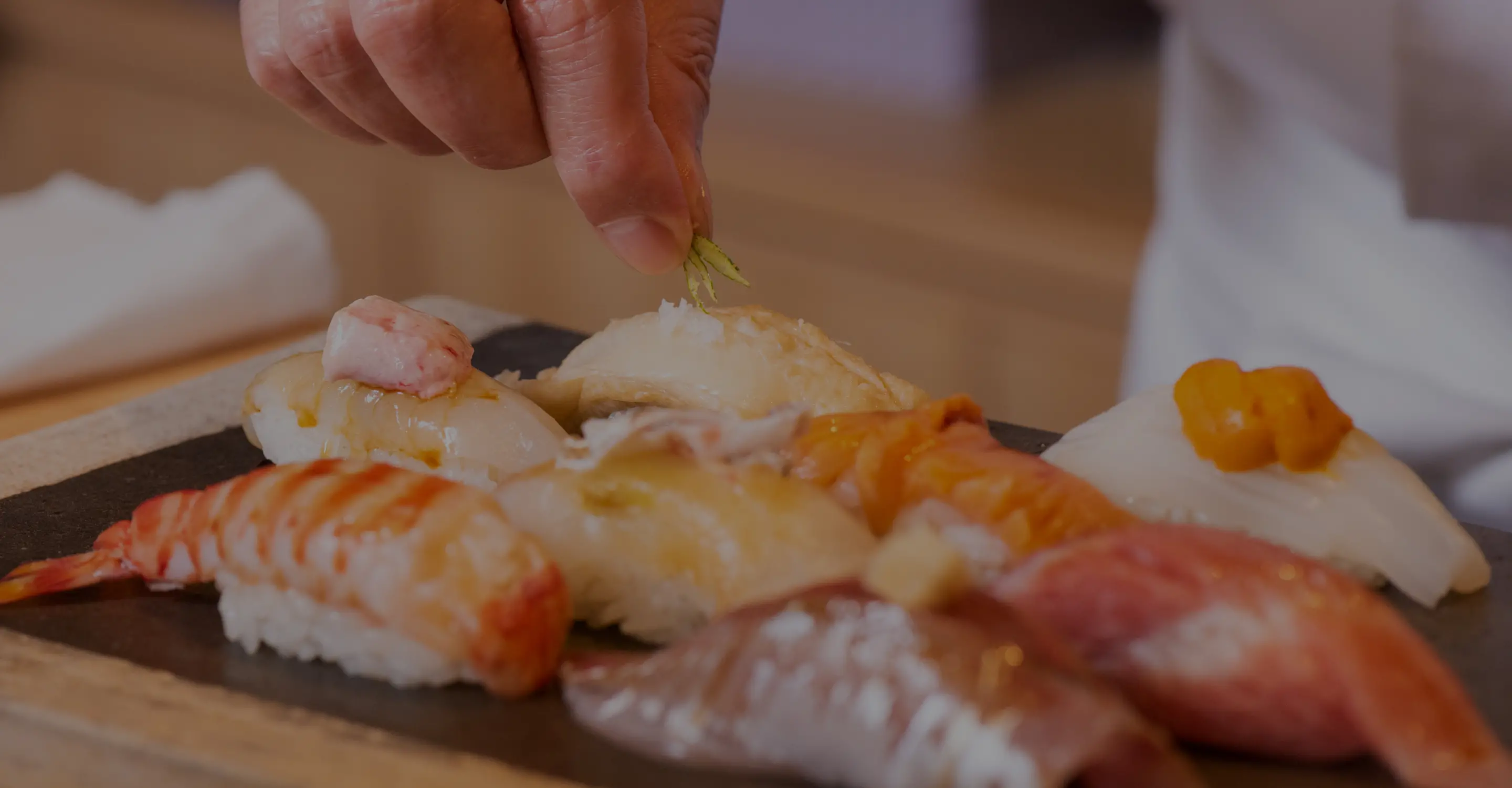
Tsukiji Aozora Sandaime is the strongest choice here when you want to sit down and let Edomae sushi become the center of the morning. Its official English page describes counter and table seating, private rooms and a direct online reservation route.
Reserve this instead of treating it as an extra snack. Among these four stops, it is the one with a confirmed online booking page.
Uni-Tora: compare sea urchin on purpose
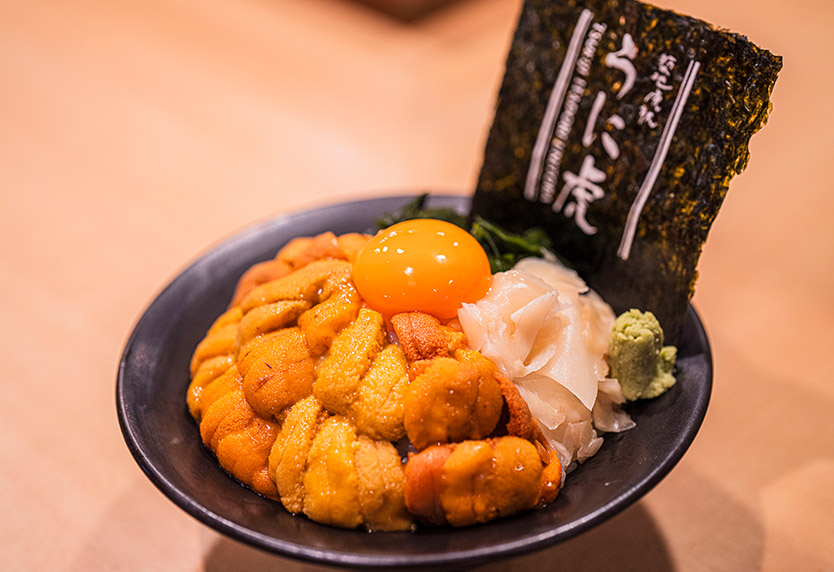
Uni-Tora is for the traveler who wants sea urchin to be the event. The Main Store gallery identifies its Miyabi bowl as a comparison of five selected kinds of uni, turning origin and variation into the reason for the stop.
Do not assume an online reservation. The official evening page lists the Main Store contact and asks guests to contact the shop directly, so confirm the current service and availability before arriving.
Check Uni-Tora and contact the Main Store
When the guided tour is the better answer
Choose a guide when route, explanation and momentum matter more than choosing every shop yourself. The selected three-hour walk includes five tastings and gives the market a beginning, middle and end.
The product has food restrictions and date conditions that matter. Read our full five-tasting tour review before booking when allergies, vegetarian food, halal food, gluten-free food or market closure days may affect the group.
Return to the short Tsukiji chooser when you are ready to select the tour or one direct stop.
Sources
- Tsukiji Outer Market official site and visitor guidance, accessed September 1, 2026.
- Official Tsukiji Outer Market map, Plat Tsukiji information center and official shopping directories for knives, kitchenware, dried bonito and nori and green tea, checked September 7, 2026.
- Namiyoke Inari Shrine official history and access, checked September 7, 2026.
- GO TOKYO: Tsukiji Outer Market, updated August 20, 2026 and accessed September 1, 2026.
- Restaurant facts: Maguroya Kurogin, Tsukiji Shouro, Tsukiji Aozora Sandaime and Uni-Tora Tsukiji Main Store, checked September 2, 2026.
- Aozora Sandaime official booking page, checked September 2, 2026.