Tokyo Food
Best Akasaka Restaurants: 6 Meals from Kyoto Kaiseki to Century-Old Unagi
Affiliate disclosure: This page contains affiliate links. If you book or buy through them, we may earn a commission at no extra cost to you. As an Amazon Associate we earn from qualifying purchases.
CHOOSE YOUR NEXT STEP
- Kyoto: reserve Kikunoi when one Tokyo evening should carry the seasonal grammar of Kyoto.
- Century: keep Akasaka grounded with unagi from Fukinuki, founded in 1923.
- Spice: choose Wakiya when modern Chinese cooking should break the Japanese-course pattern.
- Range: leave room for wagashi at Toraya, reserve Asada for Kaga hospitality or Tantei for an Okinawan dinner.
← Compare restaurants across Tokyo by area, craving and occasion
Akasaka rewards a better question than “Which restaurant is most expensive?” Its polished dining rooms draw on Kyoto, Kaga, modern Chinese and Okinawan traditions, while an old eel house and Toraya’s flagship keep the neighborhood connected to everyday appetite and afternoon tea.
Choose the memory before the cuisine. Reserve four meals when the room and evening matter. Keep Fukinuki and Toraya flexible for the part of Akasaka that should happen because you are already there.
Choose the Akasaka meal you want
| Memory | Choose | Plan it this way |
|---|---|---|
| Kyoto | Akasaka Kikunoi | Reserve when seasonal kaiseki should define one important Tokyo evening |
| Century | Akasaka Fukinuki | Keep the day flexible and ground it with unagi from an Akasaka house founded in 1923 |
| Spice | Turandot Garyukyo | Reserve when Wakiya’s modern Chinese table should break the Japanese-course pattern |
| Sweet | Toraya Akasaka | Leave an hour open for wagashi, tea and the calm of the flagship |
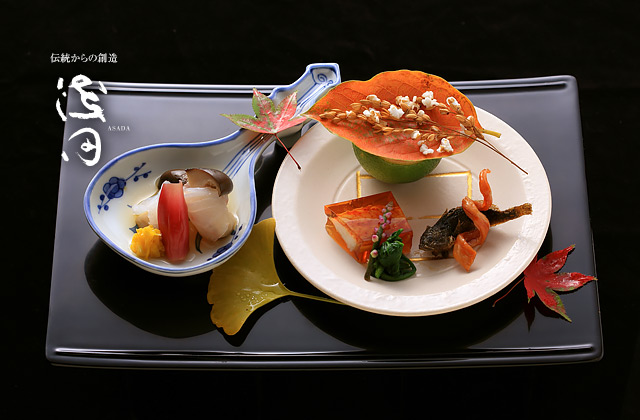
| Kaga | Akasaka Asada | Reserve the cuisine, vessels and hospitality of a Kaga ryotei together |
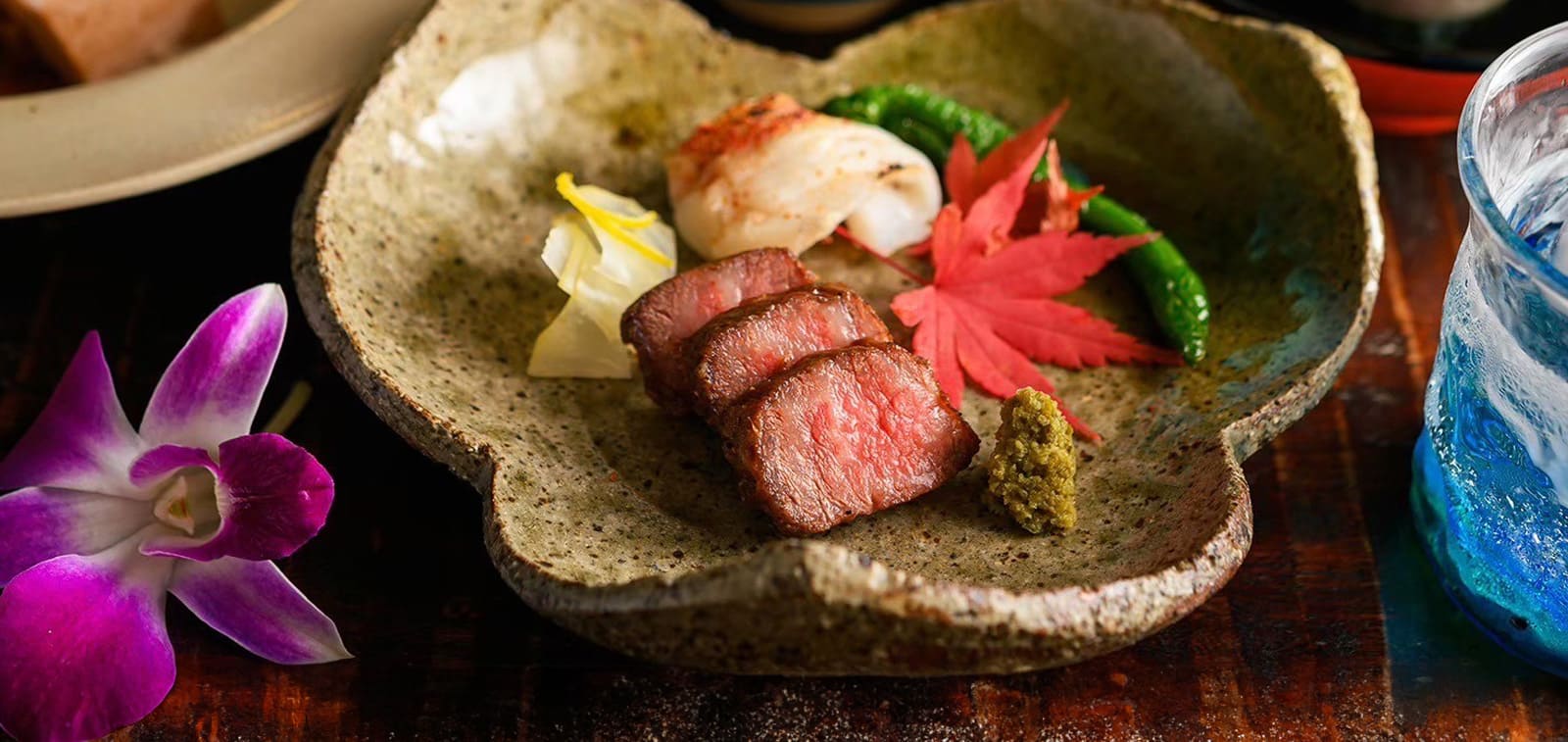
| Islands | Okinawa Kaiseki Akasaka Tantei | Reserve when Okinawa’s food culture should become a private Akasaka dinner |
Kyoto
Akasaka Kikunoi
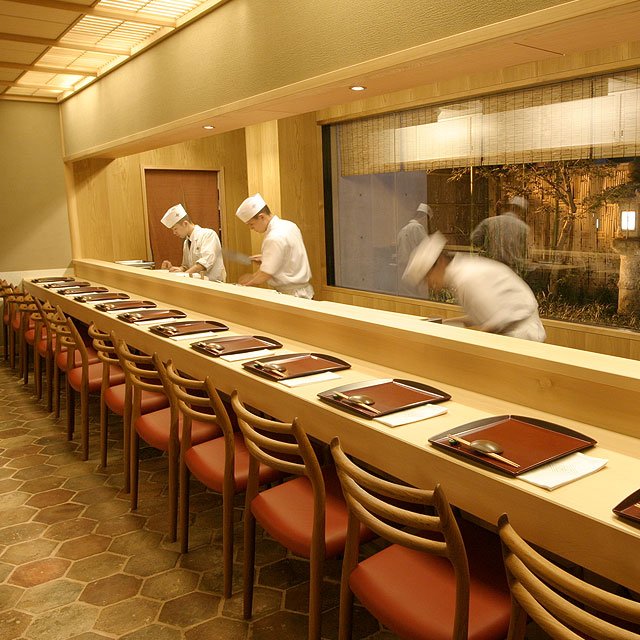
Reserve Akasaka KikunoiChoose this when one dinner should carry Kyoto's seasonal grammar into Tokyo. The open counter brings the work of the kitchen into view, so the meal is not only a sequence of dishes but an evening shaped by preparation, vessels and season.
Century
Akasaka Fukinuki
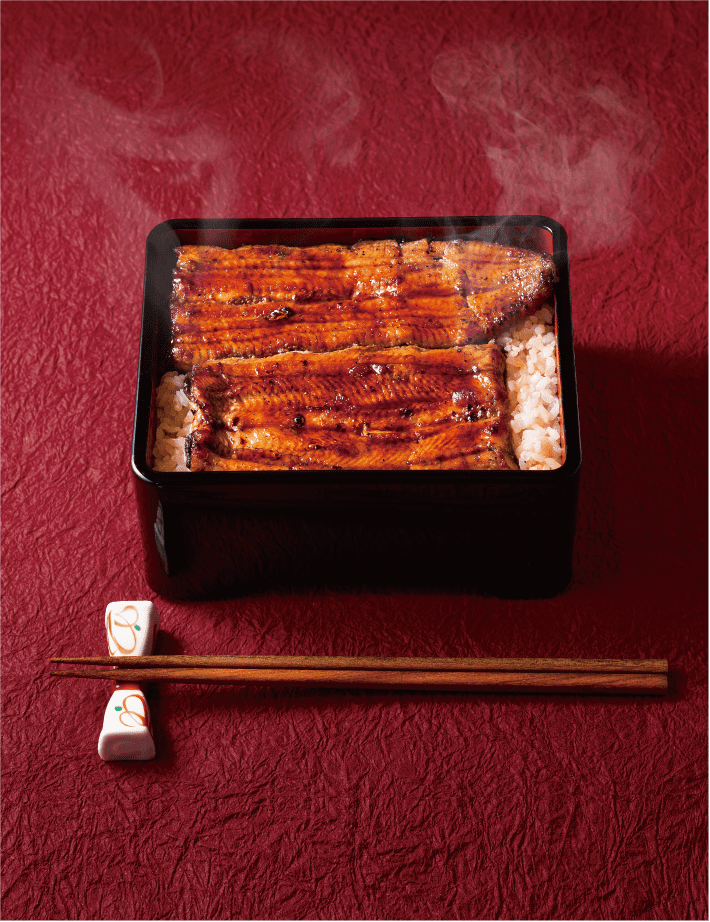
Check Akasaka Fukinuki's official detailsChoose this when Akasaka needs an old, direct pleasure rather than another formal occasion. Fukinuki traces its history to 1923 and centers the gloss, smoke and comfort of unagi over rice.
Spice
Turandot Garyukyo
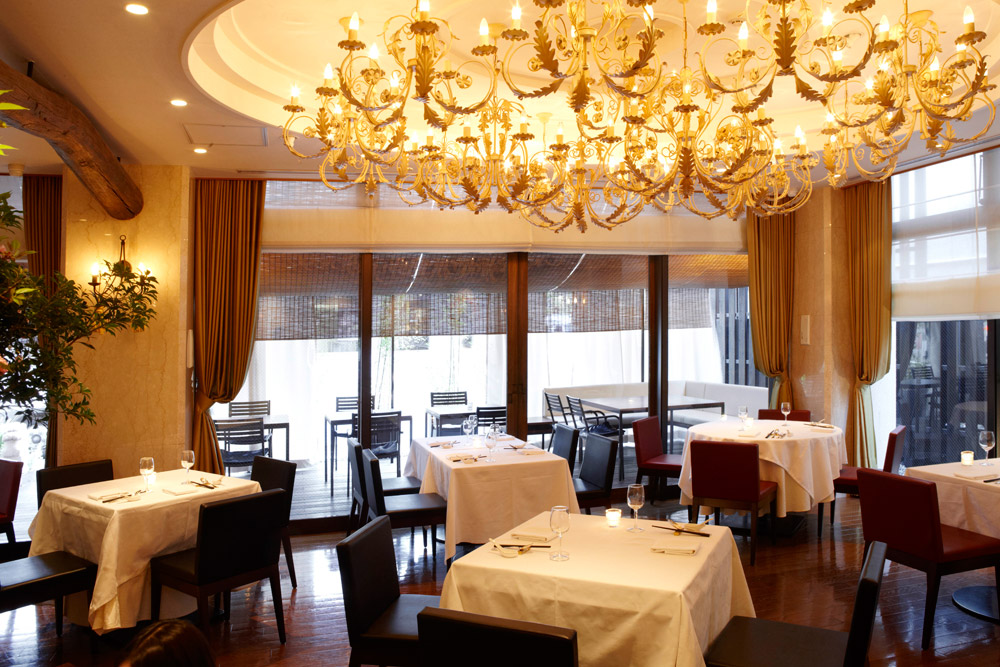
Reserve Turandot Garyukyo on TableCheckChoose this when a run of Japanese courses needs a confident change of rhythm. Chef Yuji Wakiya's restaurant makes modern Chinese cooking the reason to cross Akasaka, with a dining room polished enough for the occasion.
Sweet
Toraya Akasaka
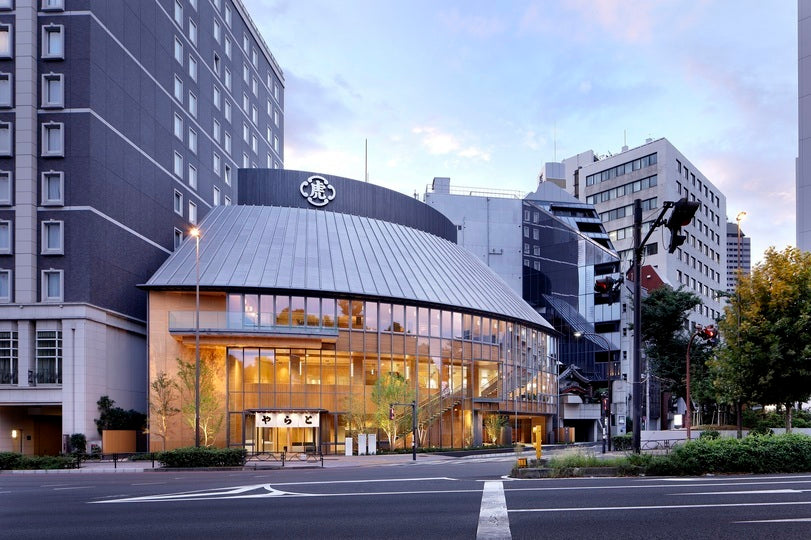
Check Toraya Akasaka's official detailsChoose this when the most memorable hour is allowed to stay simple. Toraya's Akasaka flagship brings wagashi, tea and distinctive timber architecture into one pause.
Kaga
Akasaka Asada
Reserve Akasaka Asada on TableCheckChoose this when the room, vessels and hospitality should matter as much as the plate. Asada presents Kaga cuisine through the ryotei tradition, giving an important dinner a sense of place beyond Tokyo.
Islands
Okinawa Kaiseki Akasaka Tantei
Reserve Akasaka Tantei on TableCheckChoose this when a private Akasaka dinner should carry the culture of Okinawa rather than repeat mainland kaiseki. The restaurant builds its identity around Okinawan ingredients and course dining.
Reserve four; let Akasaka decide two
Reserve Kikunoi for Kyoto-rooted seasonality, Turandot Garyukyo for a modern Chinese turn, Asada for Kaga hospitality or Tantei for an Okinawan course dinner. The booking buttons lead to restaurant-specific reservation pages verified on September 2, 2026. Kikunoi’s linked service displays an additional reservation charge, so read its current payment terms before confirming.
Fukinuki and Toraya protect the page from becoming a parade of formal rooms. Choose the eel house when smoke, lacquer and rice are enough. Choose Toraya when wagashi and tea can reset the day without claiming the whole evening.
Build the day around the kind of occasion
For a lunch that leaves the rest of Tokyo open, start with Fukinuki or Toraya. For a dinner whose purpose is to be remembered, decide what should remain: Kyoto’s season at Kikunoi, Wakiya’s modern Chinese energy, Kaga’s composed hospitality at Asada or Okinawa’s island identity at Tantei.
Kikunoi and Asada are both formal Japanese choices, but they are not substitutes. Choose Kikunoi for the visible rhythm of a Kyoto-rooted kitchen. Choose Asada when the ryotei room, vessels and Kaga culture are central to hosting the evening.
The fastest way to narrow six to one
Choose Kikunoi for Kyoto seasonality, Fukinuki for century-old unagi, Turandot Garyukyo for modern Chinese spice, Toraya for a calm wagashi pause, Asada for Kaga hospitality or Tantei for Okinawan course dining.
Sources
- GO TOKYO Akasaka guide, accessed September 2, 2026.
- Kikunoi official English website, accessed September 2, 2026.
- Akasaka Fukinuki official English website, accessed September 2, 2026.
- Wakiya official Turandot Garyukyo page, accessed September 2, 2026.
- Toraya official store and café guide, accessed September 2, 2026.
- Asada information for international guests, accessed September 2, 2026.
- Okinawa Kaiseki Akasaka Tantei official website, accessed September 2, 2026.