Tokyo Planning
Tokyo by Travel Style: Choose the Memory Before the Neighborhood
Affiliate disclosure: This page contains affiliate links. If you book or buy through them, we may earn a commission at no extra cost to you. As an Amazon Associate we earn from qualifying purchases.
CHOOSE YOUR NEXT STEP
- Choose classic Tokyo for Asakusa, Shibuya and one skyline evening.
- Choose food Tokyo from the meal you want, then keep the rest of the day nearby.
- Choose old Tokyo for Yanesen, Ryogoku, Nihonbashi and Kagurazaka.
- Choose waterfront Tokyo for Odaiba, Takeshiba, Shiodome or Tennozu.
A Tokyo itinerary becomes easier when every choice serves the same memory. Pick the travel style first, then choose the neighborhoods, meals and timed experiences that make that version of the city feel complete.
Choose by days first, then by the memory
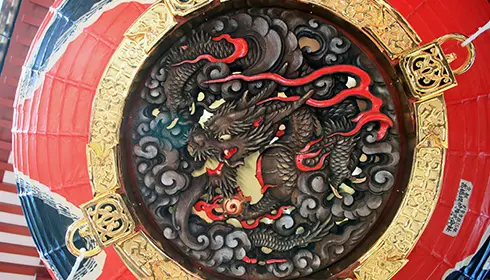
See the contrast once
Use one east-to-west transfer: Asakusa, then Shibuya and Harajuku. Protect lunch before crossing the city.
Open the 1-day route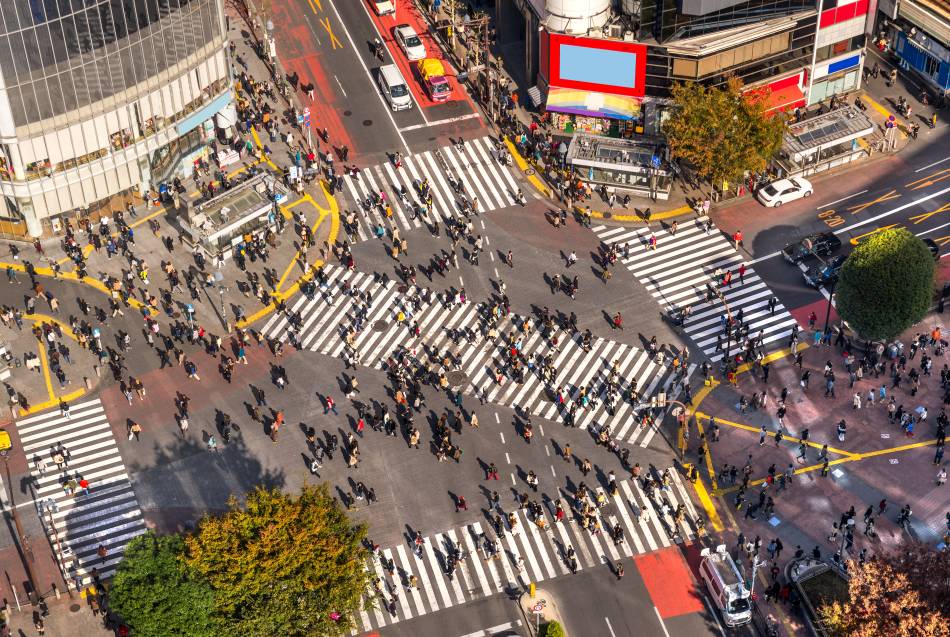
Separate west and east
Give modern western Tokyo and older eastern Tokyo one day each, with exact next moves and weather alternatives.
Open the 2-day route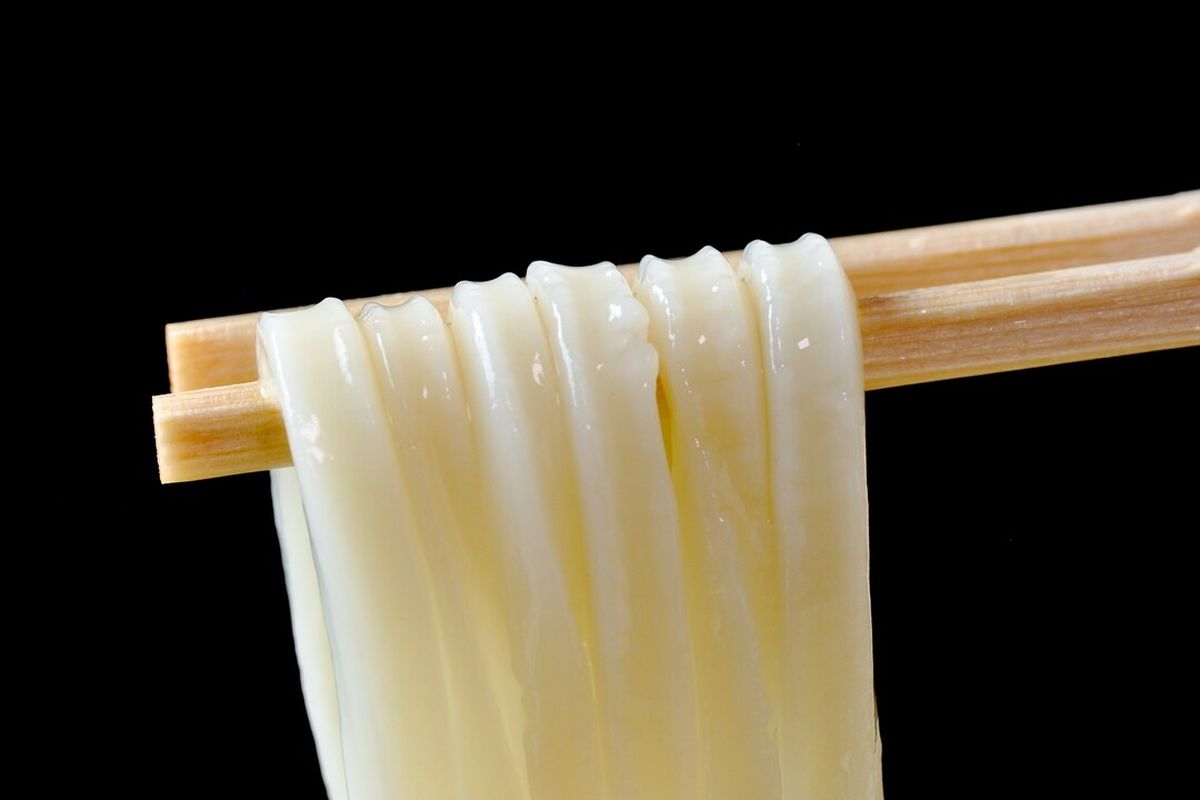
Add depth, not distance
Keep the two-day core, then choose only Yanaka, Kiyosumi-Shirakawa or Odaiba for the third chapter.
Open the 3-day routes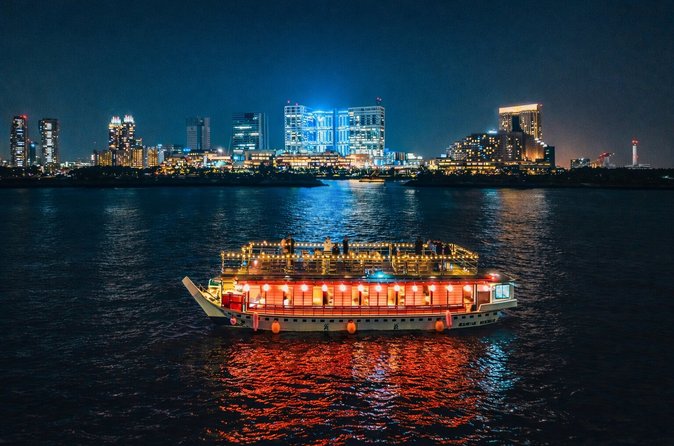
Earn the extra day
Use the three-day core first. Add either one researched day trip or one slower Tokyo theme below; do not add a distant headline stop to every remaining day. Use a fifth day for the experience, neighborhood or rest that the first three days revealed you actually wanted.
Choose the extra day's purposeImages: GO TOKYO / Asakusa Tourism Federation, GO TOKYO, Kamachiku official, and Viator provider gallery.
How to use this screen: choose the number of days, open the timed route, then return here only if you have an extra day or a clear travel style. This keeps the route and the sales choices in the same decision order.
Classic first Tokyo: contrast is the memory
Pair an east-side landmark day with a west-side city day instead of trying to combine both before dinner. Use Asakusa for Senso-ji and older streets, then give Shibuya and Harajuku their own half-day. Add Tokyo Tower at night when one skyline evening should close the loop.
For meals, choose Asakusa’s six restaurant memories, Shibuya’s six, or the polished central contrast of Ginza.
Food-focused Tokyo: choose the meal before the map
Start with what you want to eat and how planned the meal should feel. Use Tsukiji for a market-led morning, Kaiseki for a meal that deserves protected time, or Tokyo food tours when a guide should open the neighborhood.
For a full day of restaurant choices, compare Shinjuku, Ueno, Nihonbashi, Kagurazaka, or Tokyo Station and Marunouchi. Reserve the defining meal; leave the small discoveries flexible.
Old Tokyo and traditional streets: let the day move slowly
Choose Yanesen for stone storehouses, small sweets and neighborhood scale; Ryogoku for sumo, the river and classic dishes; Nihonbashi for commerce and Edo food memory; or Kagurazaka for slopes, Japanese dining and a quieter evening.
This style works when walking between small places is part of the value. Do not overload it with distant headline attractions.
Independent west Tokyo: make the neighborhood the destination
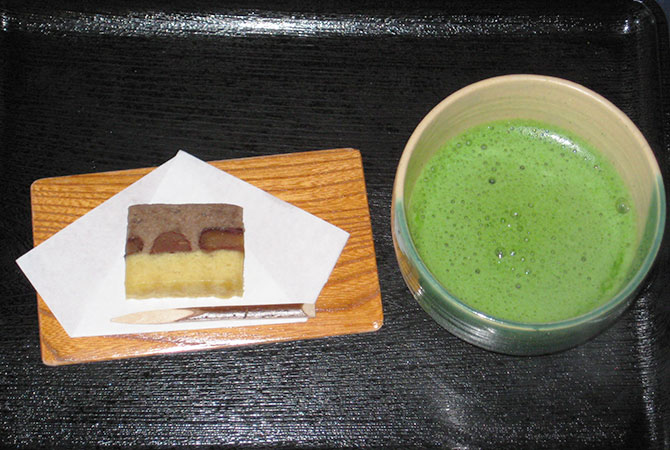
Jiyugaoka
Choose sweets, tea and a slower residential-scale meal when the afternoon should feel removed from Tokyo's largest stations.
Choose a Jiyugaoka meal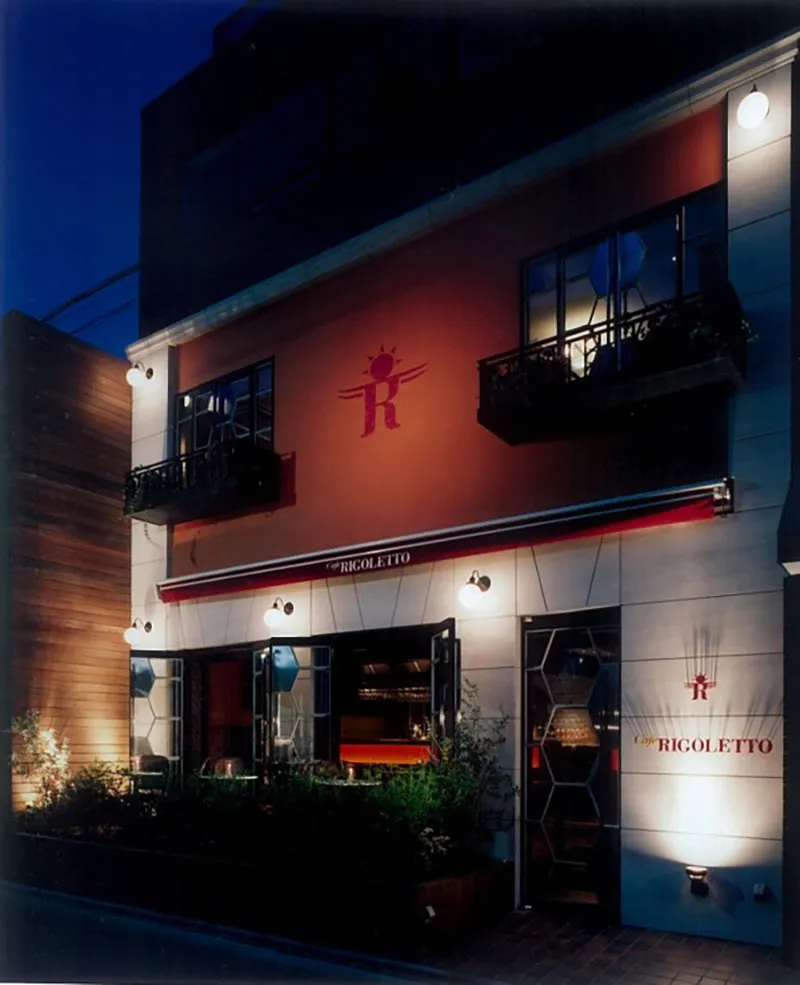
Kichijoji
Give Inokashira Park, shopping streets and one neighborhood dinner the whole chapter instead of returning downtown.
Choose a Kichijoji meal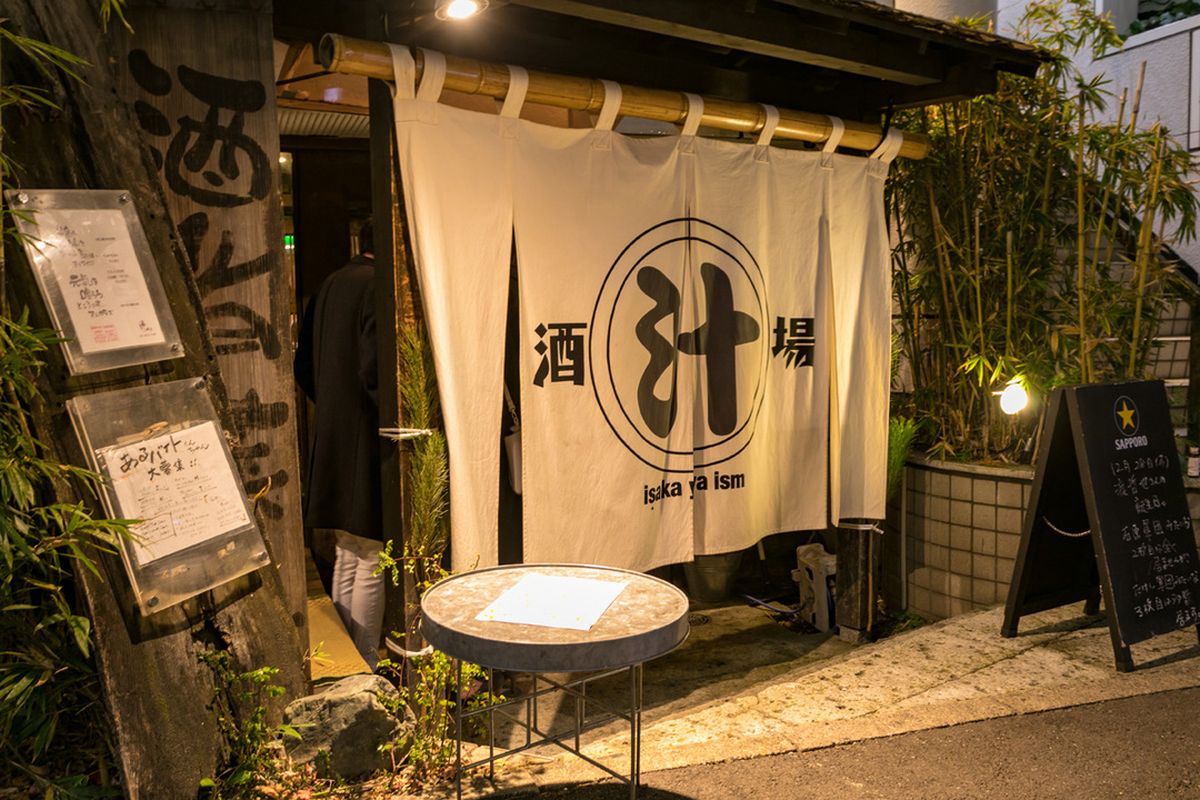
Shimokitazawa
Choose this when browsing records and vintage shops should turn naturally into an independent restaurant or lively izakaya.
Choose a Shimokitazawa mealModern Tokyo and the waterfront: make space part of the day
Choose Odaiba for bay scale, Hamamatsucho and Takeshiba for port views and an easy central connection, Shimbashi and Shiodome for towers above working Tokyo, or Shinagawa and Tennozu for canals, warehouses and a gateway-city rhythm.
A yakatabune dinner cruise turns the water and meal into one protected memory when the evening itself is the reason for choosing the bay.
Tokyo for couples: choose the occasion, not a generic romantic list
Use Ebisu and Daikanyama for a composed west-side day, Nakameguro for a river walk and destination meal, Azabu-juban for international dining beside an old shopping street, or Hibiya and Yurakucho for park, theatre district and a reserved dinner.
Decide whether the memory is the view, the cooking, the walk, or the room. That choice is more useful than a ranking of expensive tables.
A short Tokyo stay: reduce transfers before reducing experiences
Choose one compact pair. Shibuya and Harajuku gives a continuous west-side walk. Tokyo Station and Marunouchi pairs arrival architecture with a meal. Ueno and Yanesen can share an east-side day. Shimbashi and Shiodome connect old railway history, working streets and a tower-view dinner.
Reserve only the fixed experience that defines the stay, then leave enough time to notice the streets between it and the station.
If a summer fireworks night is the fixed experience, begin with the confirmed fireworks and ticket guide, then choose the neighborhood plan around that date instead of forcing the event into an already full route.