Tokyo Food
Best Hamamatsucho and Takeshiba Restaurants: 6 Meals from Garden to Port
Affiliate disclosure: This page contains affiliate links. If you book or buy through them, we may earn a commission at no extra cost to you. As an Amazon Associate we earn from qualifying purchases.
CHOOSE YOUR NEXT STEP
- Garden stage: let Hamarikyu become the scenery for French cooking.
- Waterfront: reserve a table where the bay sets the pace.
- Tea theatre: make afternoon tea the destination.
- Edo miso: carry old Tokyo into a polished sukiyaki meal.
- Miso bowl: fit a distinctly Tokyo ramen between train and port.
- Morning port: give arrival or departure one calm cup.
← Compare restaurants across Tokyo by area, craving and occasion
Hamamatsucho and Takeshiba connect several versions of Tokyo in one compact walk. The monorail arrives from Haneda. Hamarikyu’s green edge reaches the water. Passenger ships leave from Takeshiba, while office workers still need lunch and coffee between departures.
Choose the memory before the price. Reserve French cooking beside the garden, a waterfront table, an afternoon-tea performance or Edo-miso sukiyaki when the meal should anchor the day. Keep Tokyo-style miso ramen and the port-side coffee stop for the shorter spaces between train, garden and ship.
Choose the Hamamatsucho and Takeshiba memory you want
| Memory | Choose | Plan it this way |
|---|---|---|
| Garden stage | Chef’s Theatre | Let Hamarikyu’s green edge become the scenery for French cooking |
| Waterfront | SUD Restaurant | Protect one meal where the bay, terrace and plate share the same pace |
| Tea theatre | New York Lounge | Turn afternoon tea into the destination rather than a pause |
| Edo miso | Hamamatsucho Naminoue | Bring old Tokyo into a polished meal through sukiyaki and clay-pot rice |
| Miso bowl | Do Miso | Fit a distinctly Tokyo bowl between the monorail and waterfront |
| Morning port | Blue Bottle Takeshiba | Give arrival, departure or the first walk one calm cup beside the port |
Garden stage
Chef's Theatre
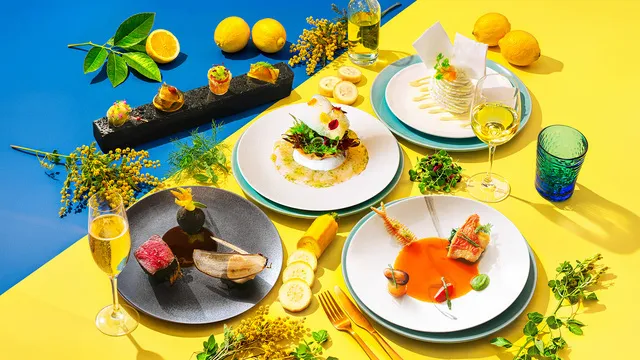
Reserve Chef's Theatre on TableCheckChoose this when Hamarikyu should remain present after the garden gates close. The open kitchen gives French cooking the pace of a performance, while mesm Tokyo frames the green edge and city beyond it.
Waterfront
SUD Restaurant
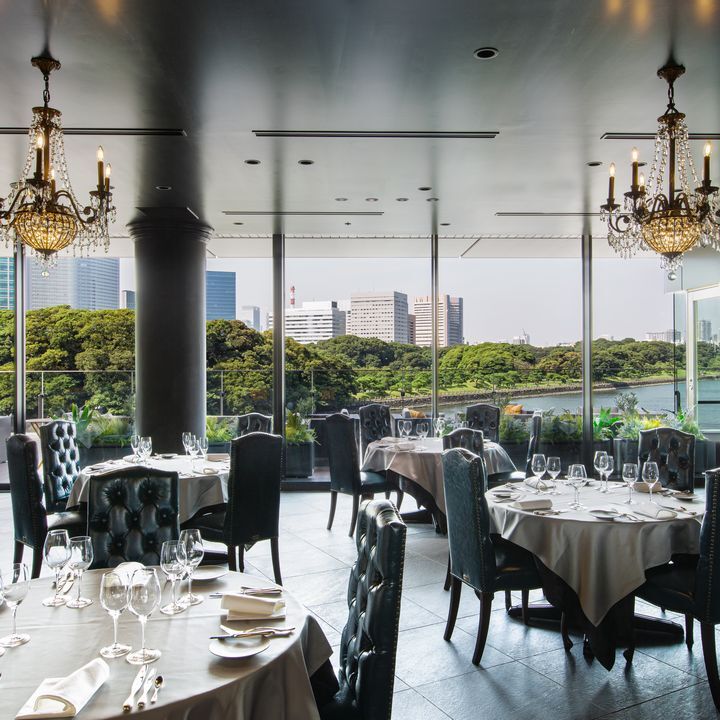
Reserve SUD on TableCheckChoose this when the water should change the tempo of lunch or dinner. SUD connects its dining room, terrace and bar to the Takeshiba waterfront instead of treating the bay as a distant backdrop.
Tea theatre
New York Lounge
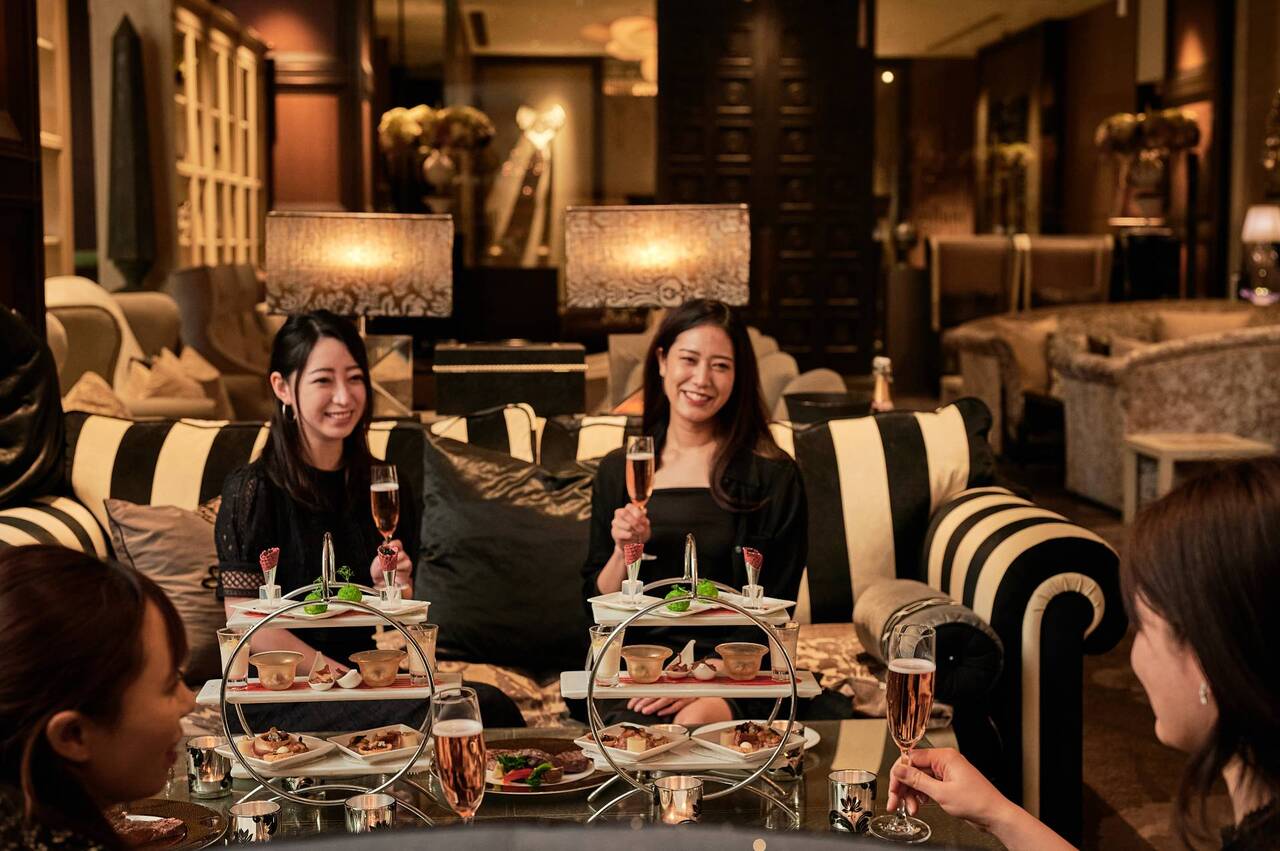
Reserve New York Lounge on TableCheckChoose this when afternoon tea should be an event, not hotel-lobby waiting time. Tiered sweets, parfaits and the theatrical lounge setting make the middle of the day worth protecting.
Edo miso
Hamamatsucho Naminoue
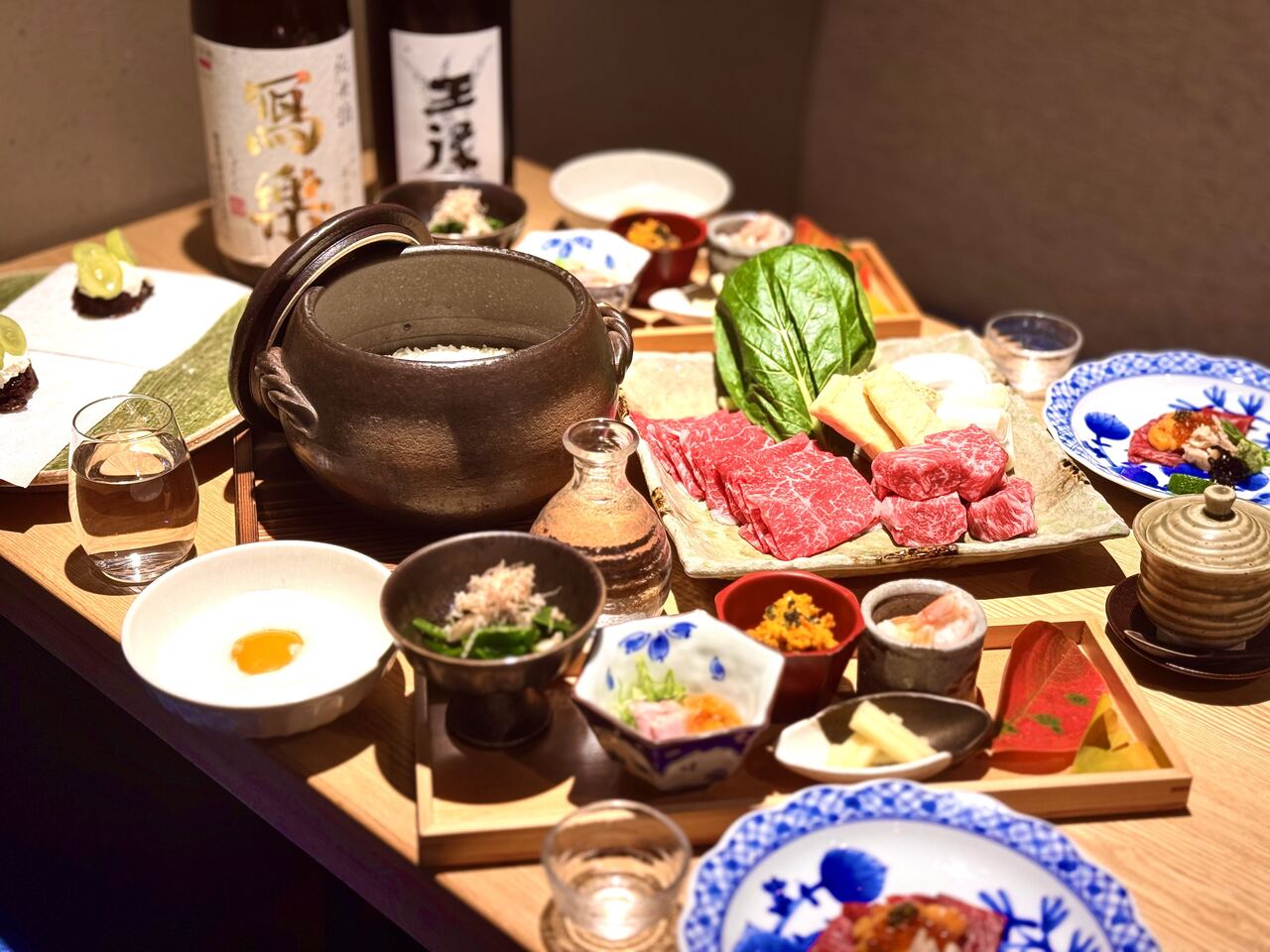
Reserve Naminoue on TableCheckChoose this when you want a polished Japanese dinner away from the waterfront hotels. Kuroge Wagyu with Edo-miso sukiyaki, side dishes and clay-pot rice gives the business district a deeper flavor.
Miso bowl
Do Miso
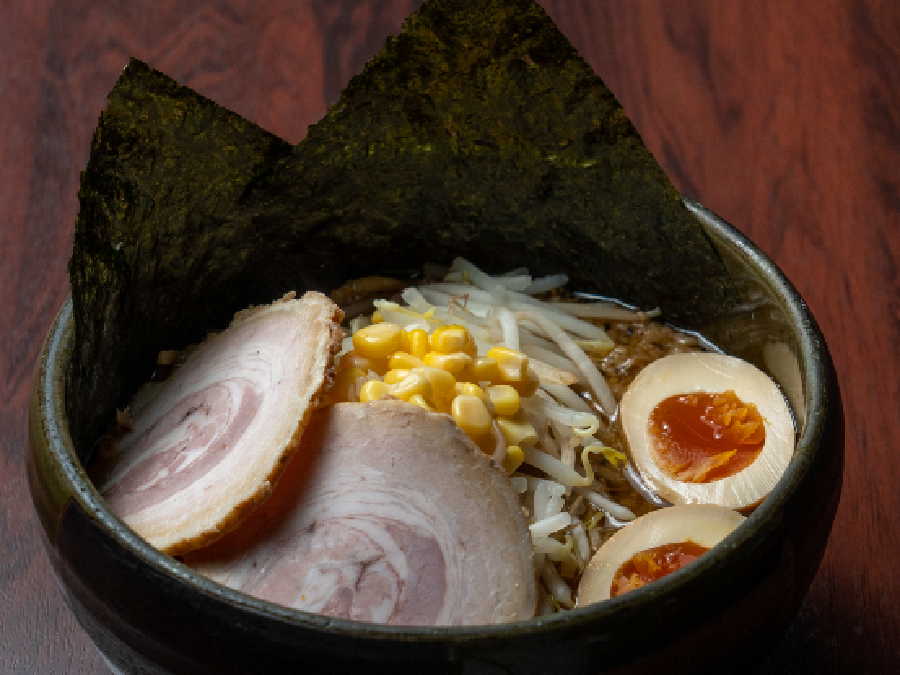
See Do Miso on EAT TokyoChoose this when time is short but the meal should still belong to Tokyo. Do Miso builds its house style from five misos and a double animal-and-seafood soup.
Morning port
Blue Bottle Coffee Takeshiba
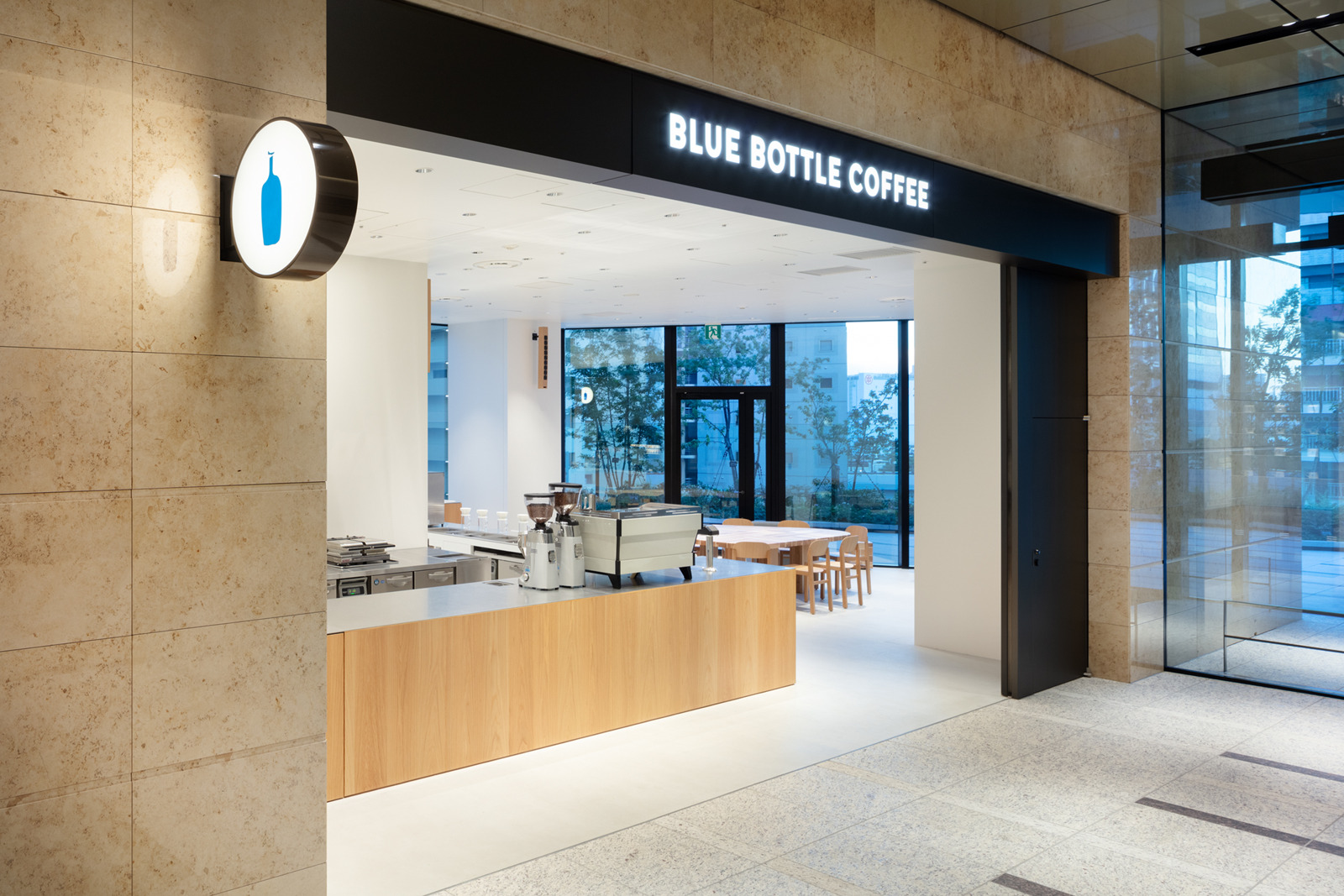
See the official Takeshiba cafe pageChoose this when arrival or departure needs one calm interval. The Takeshiba cafe's pale wood, broad windows and port-side position give a hand-dripped coffee or waffle a sense of place.
Reserve four; leave the bowl and coffee flexible
Reserve Chef’s Theatre for garden scenery, SUD for the water, New York Lounge for an afternoon built around sweets or Naminoue for Edo-miso sukiyaki and clay-pot rice. Each button leads to a restaurant-specific TableCheck screen checked on September 2, 2026.
Do Miso and Blue Bottle should behave differently. They are not weaker names added to fill six cards. The ramen gives a hurried travel day a distinct Tokyo flavor; the cafe makes room before a boat, train or first walk. Their official or public multilingual pages are more useful than forcing a reservation into moments that benefit from flexibility.
Build one garden-to-port day
Start at Hamarikyu and let the walk decide how much ceremony the day needs. Chef’s Theatre carries the garden into a planned French meal. SUD follows the water toward Takeshiba. New York Lounge turns the afternoon itself into an occasion rather than leaving it as dead time between sights.
Move back toward Hamamatsucho as work ends. Naminoue makes the evening feel rooted in Tokyo without returning to another hotel dining room. On a faster day, use Do Miso for the substantial bowl and Blue Bottle for the quiet coffee. The neighborhood becomes memorable when airport access, garden, office city and port stay in the same story.
The fastest way to narrow six to one
Choose Chef’s Theatre for the garden, SUD for the waterfront, New York Lounge for afternoon tea, Naminoue for Edo-miso sukiyaki, Do Miso for the short Tokyo bowl or Blue Bottle Takeshiba for the calm port-side beginning.
Sources
- Minato City Shiba and Shimbashi area map, accessed September 2, 2026.
- Tokyo Portcity Takeshiba shop guide, accessed September 2, 2026.
- Takeshiba Passenger Ship Terminal English guide, accessed September 2, 2026.
- Chef’s Theatre official English page, accessed September 2, 2026.
- Chef’s Theatre restaurant-specific reservation page, accessed September 2, 2026.
- SUD restaurant-specific reservation page, accessed September 2, 2026.
- InterContinental Tokyo Bay dining FAQ, accessed September 2, 2026.
- New York Lounge restaurant-specific reservation page, accessed September 2, 2026.
- Hamamatsucho Naminoue restaurant-specific reservation page, accessed September 2, 2026.
- Do Miso on EAT Tokyo, accessed September 2, 2026.
- Blue Bottle Coffee Takeshiba official page, accessed September 2, 2026.