Tokyo Food
Best Ikebukuro Restaurants: 6 Meals from Skyline Kaiseki to Black Curry
Affiliate disclosure: This page contains affiliate links. If you book or buy through them, we may earn a commission at no extra cost to you. As an Amazon Associate we earn from qualifying purchases.
CHOOSE YOUR NEXT STEP
- Skyline: reserve Hoshi No Naru Ki when seasonal Japanese cooking should rise above the city.
- Queue: leave time for Mutekiya when one famous ramen bowl should interrupt the day.
- Counter: reserve SANKAITEI when the chef's movement should become dinner.
- Range: choose Kitchen ABC for local yoshoku, GINTO for conversation or EN for dashi and clay-pot rice.
← Compare restaurants across Tokyo by area, craving and occasion
Ikebukuro can hold two very different appetites in the same day. Above the station, a reservation can turn the skyline, a teppan flame or a long conversation into the meal. At street level, a ramen queue and black curry show the everyday food the neighborhood has made its own.
Choose the memory first. Reserve one of the four polished restaurants when timing, seats or the occasion matter. Keep Mutekiya and Kitchen ABC flexible when the city’s energy should decide the hour.
Choose the Ikebukuro meal you want
| Memory | Choose | Plan it this way |
|---|---|---|
| Skyline | Tenku No Niwa Hoshi No Naru Ki | Reserve when seasonal Japanese cooking and the view should belong to one occasion |
| Queue | Mutekiya | Leave time for the line when a famous bowl should become part of the Ikebukuro story |
| Counter | Teppanyaki SANKAITEI | Reserve when flame and the chef’s movement should stay at the center of dinner |
| Nostalgia | Kitchen ABC | Walk in for black curry and the yoshoku the neighborhood grew up with |
| Together | GINTO Ikebukuro | Reserve when the group needs enough room for conversation to become the meal |
| Dashi | Washoku & Sake EN Ikebukuro PARCO | Reserve when the station day should slow to broth and clay-pot rice |
Skyline
Tenku No Niwa Hoshi No Naru Ki
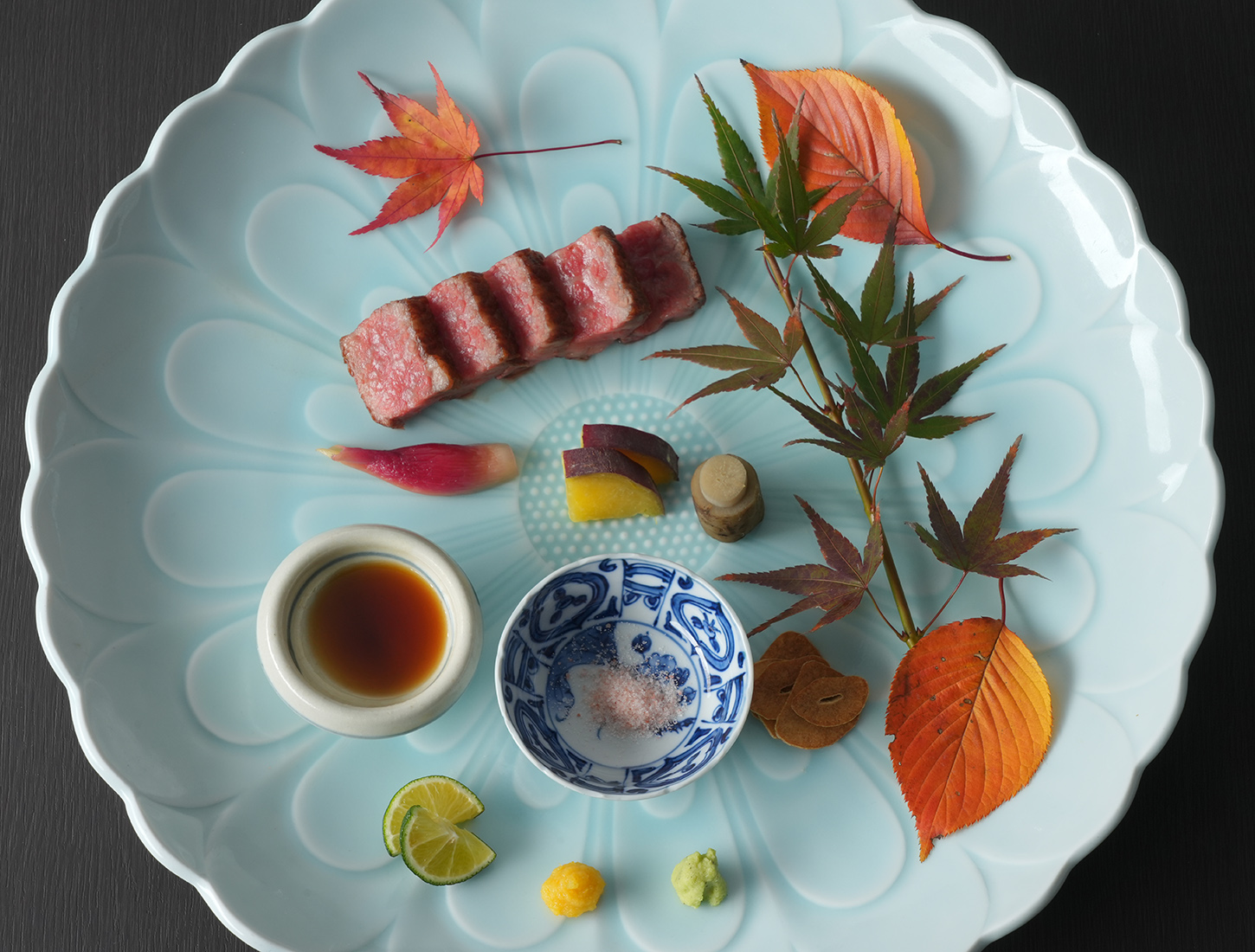
Choose this when the height of Sunshine 60 and the Japanese season should belong to one occasion. Contemporary kaiseki, private rooms and a view across Tokyo make the reservation feel purposeful: the memory is not simply dinner upstairs, but the city and the plate arriving together.
Reserve Hoshi No Naru Ki on TableCheckQueue
Mutekiya
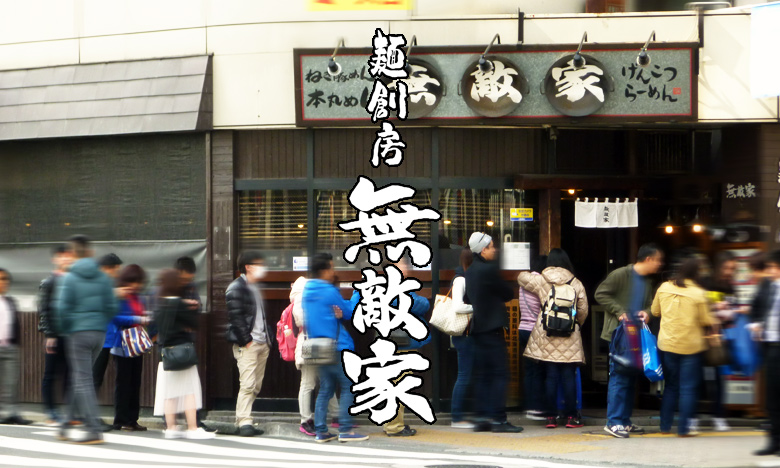
Choose this when one bowl should become the lively interruption in an Ikebukuro day. The official English guide explains the compact counter and how to queue, while GO TOKYO names Mutekiya in its account of the district's intense ramen competition.
Check Mutekiya's official English guideCounter
Teppanyaki SANKAITEI
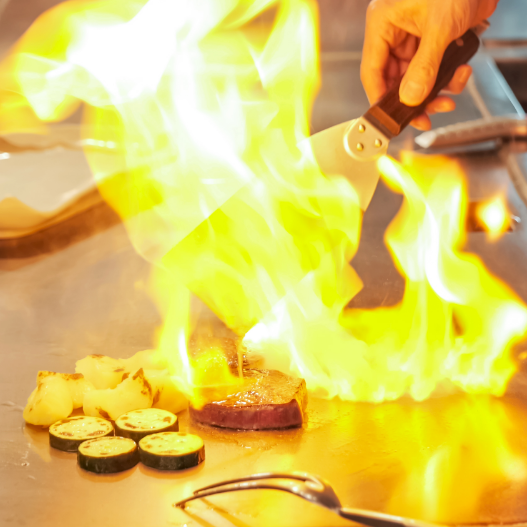
Choose this when the chef's movement should stay at the center of the memory. In Hotel Metropolitan near the west side of the station, beef and seafood meet the iron plate at close range.
Reserve SANKAITEI on TableCheck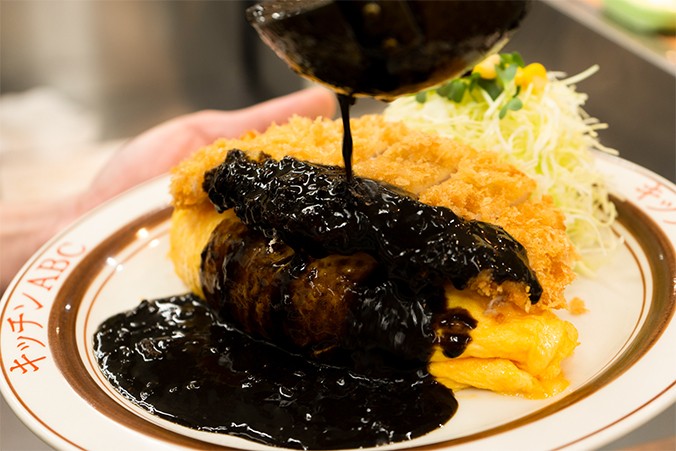
Nostalgia
Kitchen ABC
Choose this when Ikebukuro should taste like a neighborhood rather than a special occasion. Founded in 1969 and rooted in Toshima, Kitchen ABC is known for black curry and hearty yoshoku combinations.
Check Kitchen ABC's official locations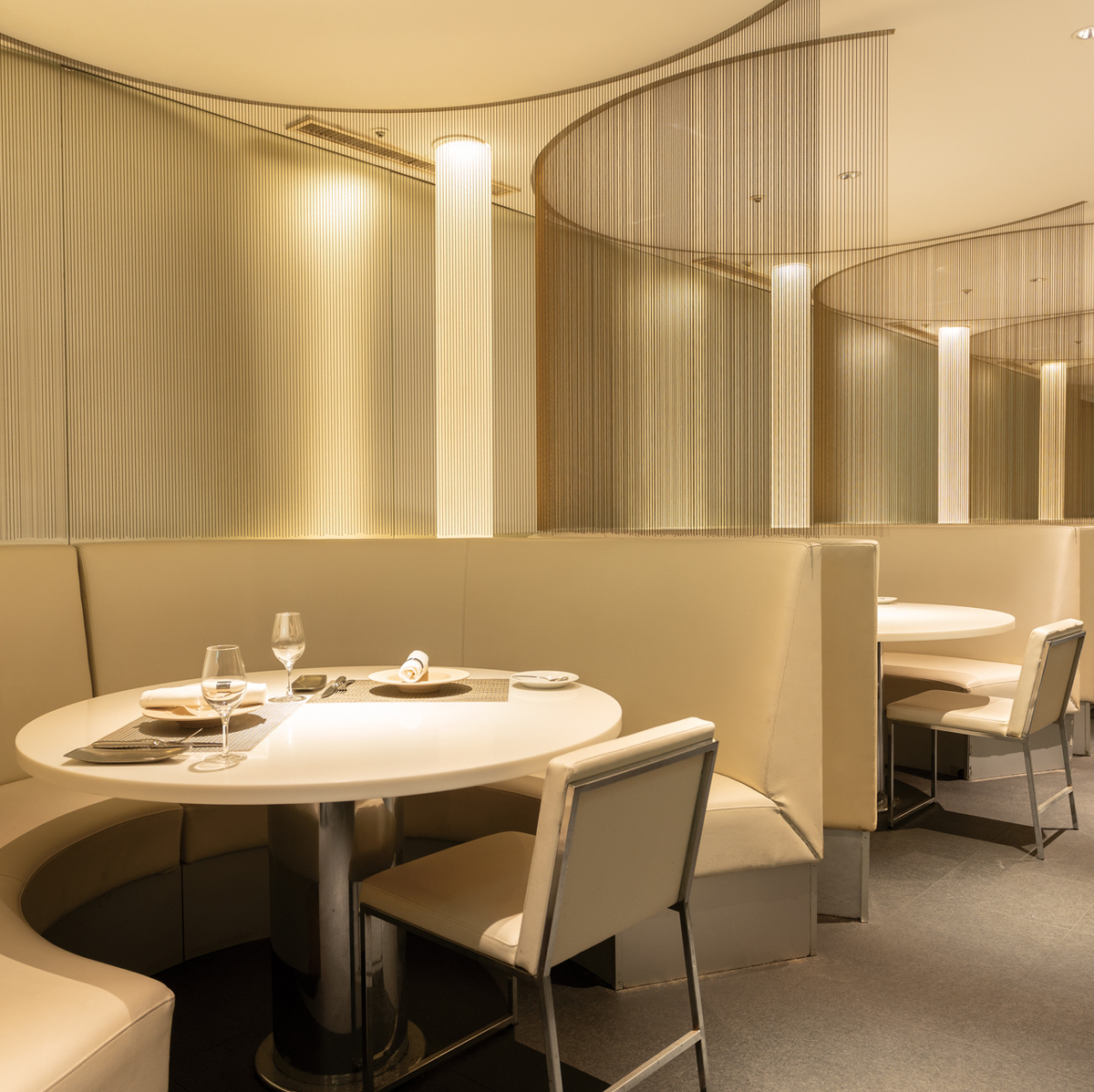
Together
GINTO Ikebukuro
Choose this when the group needs room for the conversation to become the meal. Courses, booths and private-room choices make GINTO useful for a lunch that should linger or a dinner where everyone must stay connected.
Reserve GINTO Ikebukuro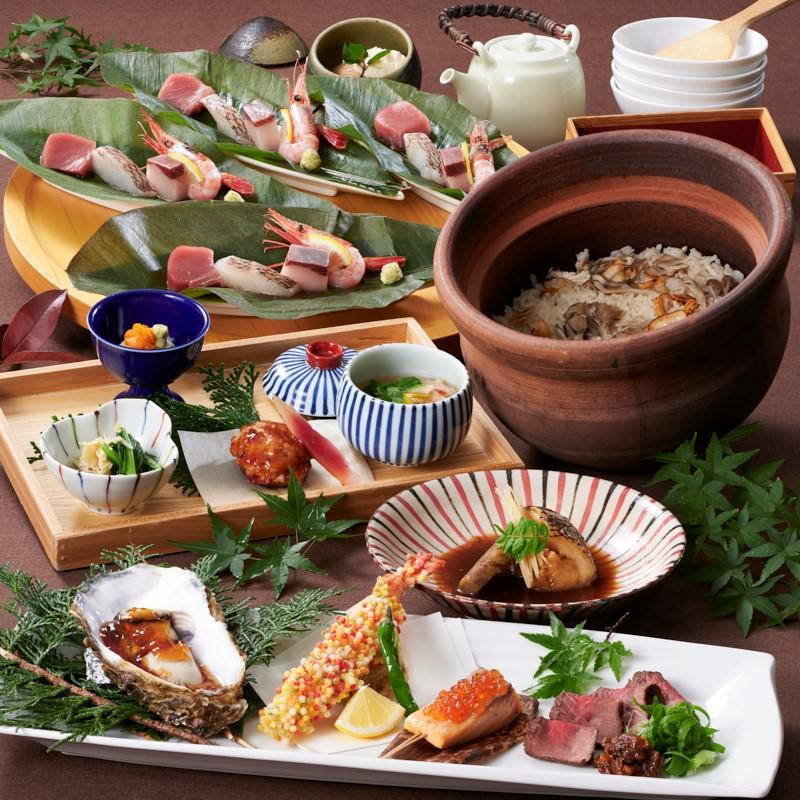
Dashi
Washoku & Sake EN Ikebukuro PARCO
Choose this when a station day needs to slow to the pace of broth and clay-pot rice. EN describes a kitchen that begins with dashi, then brings Japanese dishes, sake and private seating close to Ikebukuro's east exit.
Reserve EN Ikebukuro PARCOReserve four; let the street choose two
Reserve Hoshi No Naru Ki when the skyline and kaiseki are the occasion, SANKAITEI when the counter and flame should animate dinner, GINTO when the group needs a comfortable social setting, or EN when dependable station access and Japanese cooking matter together. Each button leads to that restaurant’s own booking screen.
Mutekiya and Kitchen ABC do a different job. They stop the guide from turning Ikebukuro into four versions of a formal dinner. Mutekiya is the famous ramen queue; Kitchen ABC is the local yoshoku institution. Check the current official details, then let appetite and the line decide the timing.
Choose by the side of the station
Sunshine 60 and EN belong naturally to an east-side day around Sunshine City, PARCO and the streets beyond. Mutekiya and Kitchen ABC’s east shop can fit that same route, but they change its rhythm from planned to spontaneous.
SANKAITEI belongs to the west side near Hotel Metropolitan. GINTO is on the east side in Minami-Ikebukuro and works better as a planned finish than a quick stop. Ikebukuro Station is large enough that the right side matters: do not cross it only for a category label when another meal already fits the walk.
The fastest way to narrow six to one
Choose Hoshi No Naru Ki for skyline kaiseki, SANKAITEI for teppanyaki action, GINTO for conversation or EN for dashi and station convenience. Choose Mutekiya when the queue is part of the ramen story. Choose Kitchen ABC when black curry and neighborhood yoshoku matter more than polish.
Sources
- Tenku No Niwa Hoshi No Naru Ki official English page, accessed September 2, 2026.
- Mutekiya official English page, accessed September 2, 2026.
- GO TOKYO Ikebukuro guide, accessed September 2, 2026.
- SANKAITEI official restaurant page, accessed September 2, 2026.
- Kitchen ABC official website, accessed September 2, 2026.
- GINTO Ikebukuro official website, accessed September 2, 2026.
- Washoku & Sake EN Ikebukuro PARCO official website, accessed September 2, 2026.
- Reservation routes for Hoshi No Naru Ki, SANKAITEI, GINTO and EN were rechecked against their named booking pages on September 2, 2026. Hoshi No Naru Ki’s English TableCheck booking page was rechecked on October 10, 2026.