Tokyo Food
Best Ryogoku Restaurants: 6 Meals Beyond the Sumo Pot
Affiliate disclosure: This page contains affiliate links. If you book or buy through them, we may earn a commission at no extra cost to you. As an Amazon Associate we earn from qualifying purchases.
CHOOSE YOUR NEXT STEP
- River: reserve Anchor for a composed meal beside the Sumida.
- Garden: choose Ryogoku Terrace for green and an easy table.
- Teppan: book Nanaumi when the iron plate should make the occasion.
- Family: use Totenko for Chinese cooking and a settled room.
- Old Tokyo: keep chanko and eel for the foods that belong to Ryogoku.
← Compare restaurants across Tokyo by area, craving and occasion
Ryogoku is the center of Tokyo’s sumo world, but the district is larger than one sport and one pot. The Sumida River moves past hotel terraces, old Tokyo survives in eel and craft, and museums place Hokusai and Edo history beside the arena.
Choose the memory before the price. Reserve the river, garden, iron plate or private-room meal when lunch or dinner should hold the itinerary together. Keep chanko and eel for the two tastes that make this part of eastern Tokyo impossible to confuse with another neighborhood.
Choose the Ryogoku memory you want
| Memory | Choose | Plan it this way |
|---|---|---|
| River | Anchor Ryogoku Riverside | Let boats and the Sumida stay present through seafood, meat and wine |
| Garden | Ryogoku Terrace | Put an open terrace and easy shared food beside Kyu-Yasuda Garden |
| Teppan | Teppanyaki Nanaumi | Make flame, iron and a high view the clear occasion of the evening |
| Private room | Totenko Ryogoku | Give a family or mixed-age group Chinese courses and room to settle |
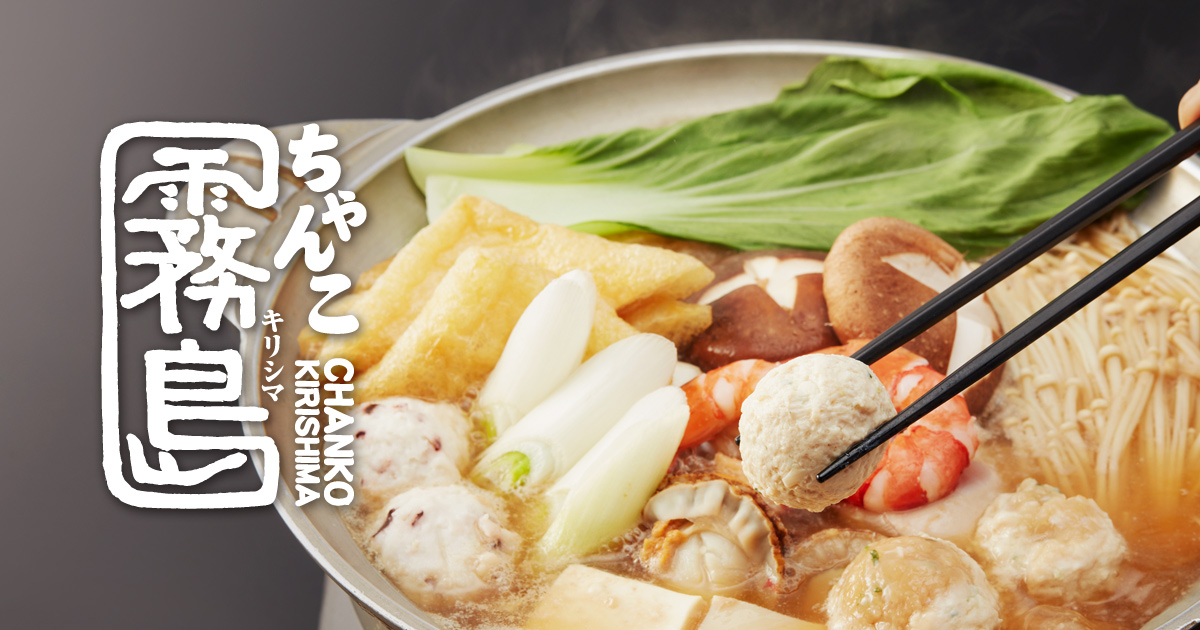
| Sumo pot | Chanko Kirishima | Share the broth, meat and vegetables most closely tied to the district |
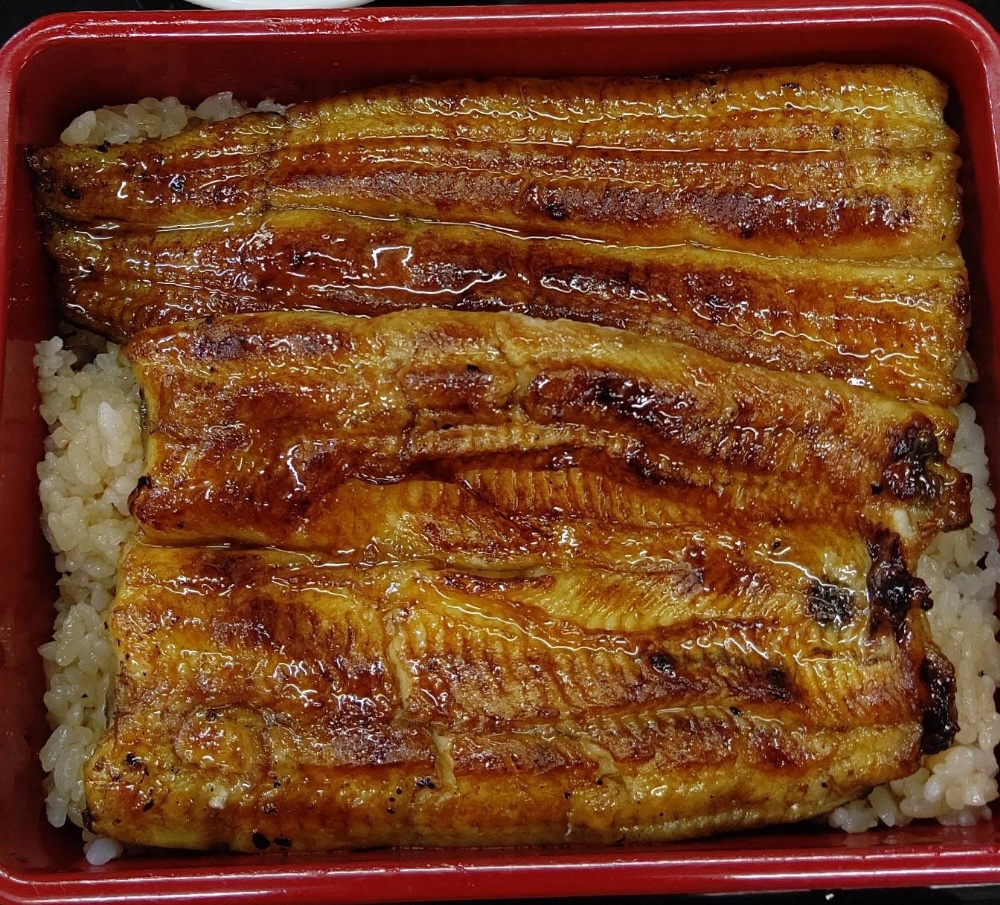
| Eel | Unagi Kawayuu | Taste old Tokyo beyond sumo in a lacquered box of grilled eel and rice |
River
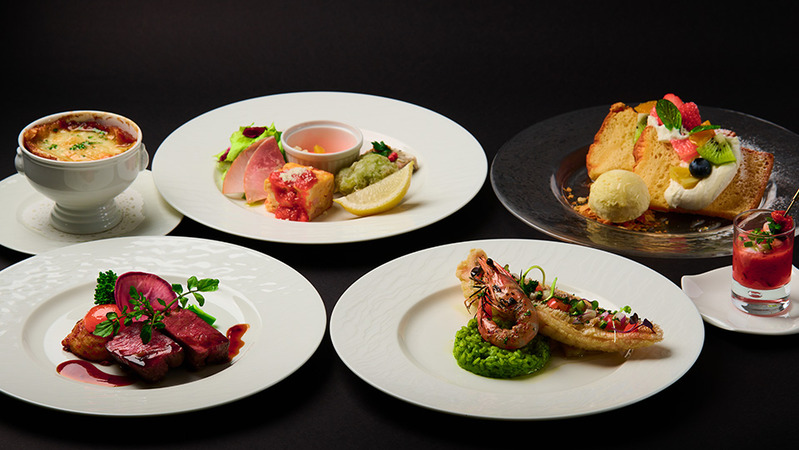
Anchor Ryogoku Riverside
Reserve Anchor on TableCheckChoose this when the river should remain part of the meal. Anchor faces the Sumida from The Gate Hotel and gives seafood, meat and wine a calm, contemporary frame.
Garden
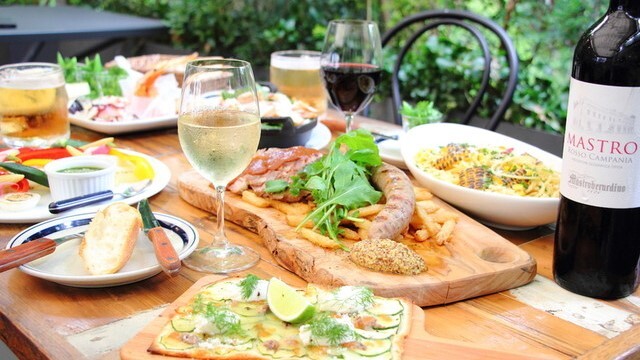
Ryogoku Terrace
Reserve Ryogoku Terrace on TableCheckChoose this when the day needs air, green and food that is easy to share. Beside Kyu-Yasuda Garden, the terrace brings pizza, grilled dishes and wine into a looser Ryogoku afternoon.
Teppan
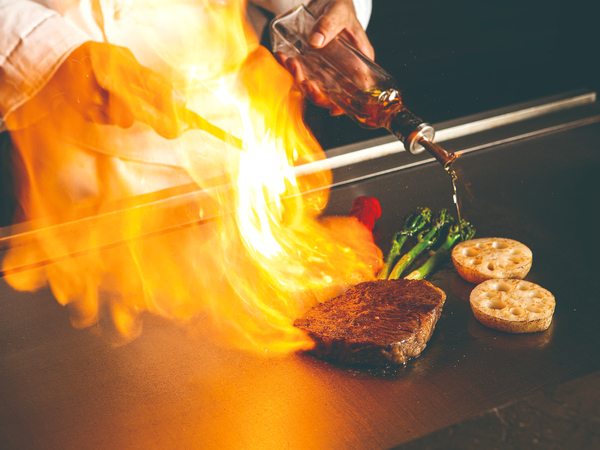
Teppanyaki Nanaumi
Reserve Nanaumi on TableCheckChoose this when dinner should announce itself. At Nanaumi, the flame and sound of the iron plate make steak and seafood feel immediate, while the hotel tower lifts the evening above the station district.
Private room
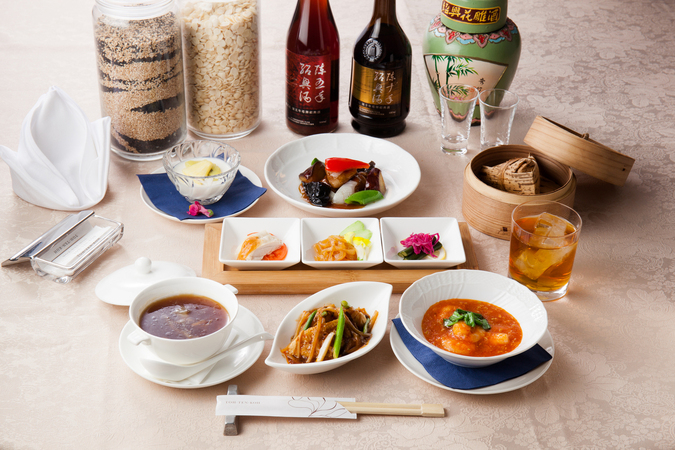
Totenko Ryogoku
Reserve Totenko Ryogoku on TableCheckChoose this when a mixed-age group needs comfort and room to settle. Totenko serves Cantonese- and Fujian-influenced Chinese cooking inside Dai-ichi Hotel Ryogoku, with table and private-room options.
Sumo pot
Chanko Kirishima
See Kirishima's official shop and booking informationChoose this when you want to eat the communal logic of sumo. Founded by a former ozeki, Kirishima fills the pot with meat, seafood and vegetables and surrounds the meal with wrestling memories.
Eel
Unagi Kawayuu
Check Kawayuu's official siteChoose this when old Tokyo should remain on the plate without another sumo reference. Kawayuu has served eel in Sumida since 1907, glazing it until the surface shines over rice.
Reserve four; treat chanko and eel as the district’s anchors
Reserve Anchor for the river, Ryogoku Terrace for the garden-side table, Nanaumi for iron and flame or Totenko for a family-friendly room. Each button leads to a restaurant-specific English reservation screen checked on September 2, 2026.
Kirishima and Kawayuu carry the neighborhood more directly. Kirishima’s official site includes its web-booking route; Kawayuu’s official site explains the shop and current visit information. Their role is not to imitate the four polished reservations. One gives Ryogoku its shared sumo pot, and the other keeps the district connected to old Tokyo’s eel culture.
Build one arena, museum and river day
Use the daytime for the arena district, the Sumida Hokusai Museum or the reopened Edo-Tokyo Museum. Kawayuu makes the most traditional non-sumo lunch. Ryogoku Terrace works when the garden and outdoor pause matter. Anchor is the natural bridge from a river walk into a more composed table.
At dinner, choose the memory you want to carry home. Kirishima is the communal pot and wrestling story. Nanaumi is flame and occasion. Totenko is the easy multi-generation room. That separation is more useful than ranking six unlike meals from first to sixth.
The fastest way to narrow six to one
Choose Anchor for the river, Ryogoku Terrace for green, Nanaumi for fire, Totenko for family comfort, Kirishima for chanko or Kawayuu for old-Tokyo eel.
Sources
- GO TOKYO Ryogoku guide, accessed September 2, 2026.
- GO TOKYO guide to sumo culture and Chanko Kirishima, accessed September 2, 2026.
- Anchor Ryogoku Riverside official restaurant page, accessed September 2, 2026.
- Anchor restaurant-specific reservation page, accessed September 2, 2026.
- Ryogoku Terrace restaurant-specific reservation page, accessed September 2, 2026.
- Teppanyaki Nanaumi restaurant-specific reservation page, accessed September 2, 2026.
- Totenko Ryogoku restaurant-specific reservation page, accessed September 2, 2026.
- Chanko Kirishima official shop page, accessed September 2, 2026.
- Unagi Kawayuu official website, accessed September 2, 2026.
- Oishii Sumida Tokyo official English listing for Kawayuu, accessed September 2, 2026.