Tokyo Food
Best Shimokitazawa Restaurants: 6 Meals for a Vintage-and-Music Day
Affiliate disclosure: This page contains affiliate links. If you book or buy through them, we may earn a commission at no extra cost to you. As an Amazon Associate we earn from qualifying purchases.
CHOOSE YOUR NEXT STEP
- New table: reserve where for a small independent Italian dinner.
- Spain: choose TauLa for Japanese season through Spanish cooking.
- Sushi: pair sushi and wine inside Reload.
- Alley: keep the kitchen close at Shirube.
- Street: add colorful soup curry or Hokkaido-corn tacos according to the shape of your afternoon.
← Compare restaurants across Tokyo by area, craving and occasion
Shimokitazawa rewards people who follow a side street. Vintage racks, record bins, little theaters and independent kitchens share the same compact neighborhood; newer places such as Reload and NANSEI PLUS have grown along the former railway land without turning the area into a generic mall.
Choose the memory before the price. Reserve four restaurants when dinner should anchor the day. Keep soup curry and tacos flexible for the hours between shops, books and music.
Choose the Shimokitazawa memory you want
| Memory | Choose | Plan it this way |
|---|---|---|
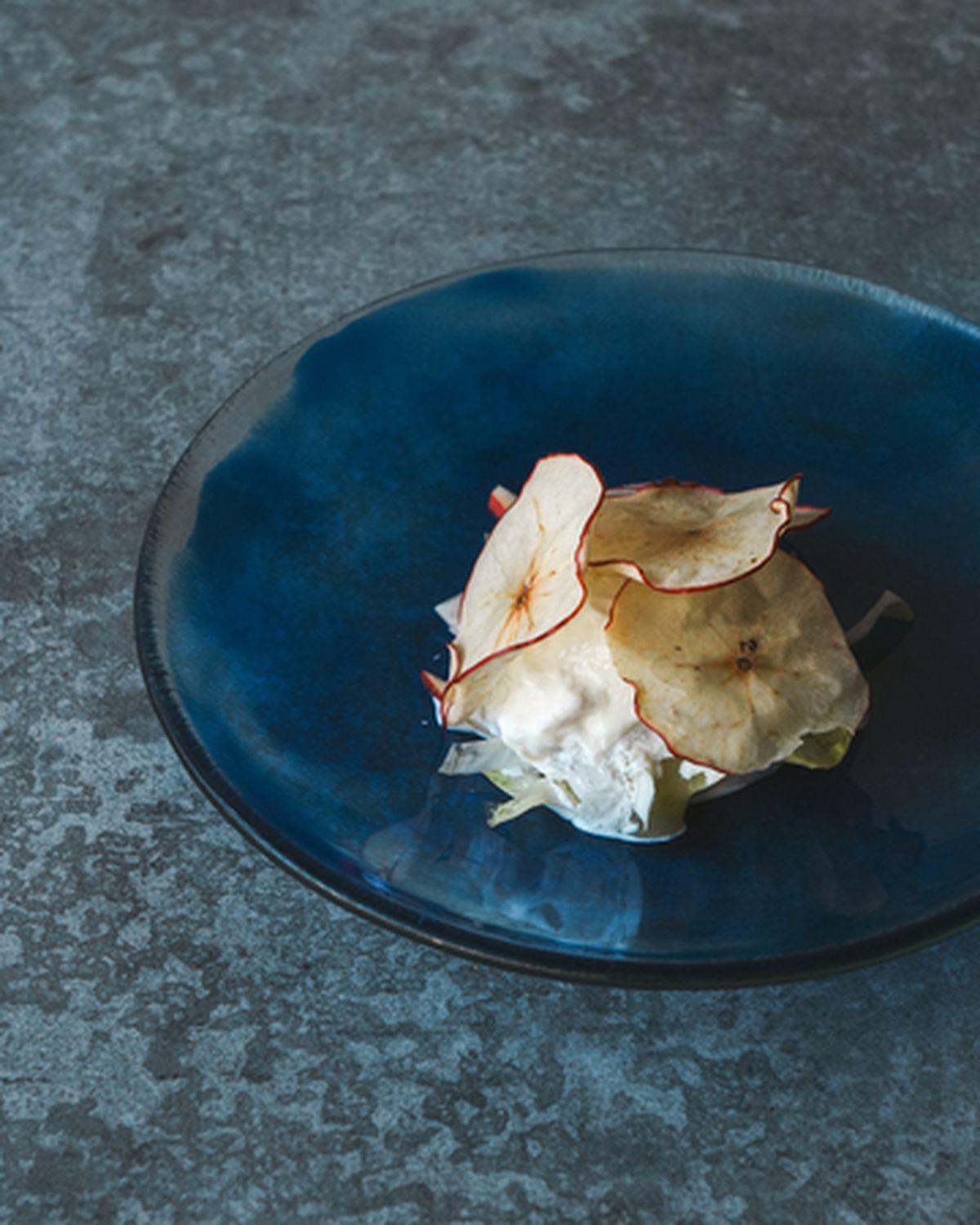
| New table | where | Reserve a small modern Italian room for pasta, wine and close conversation |
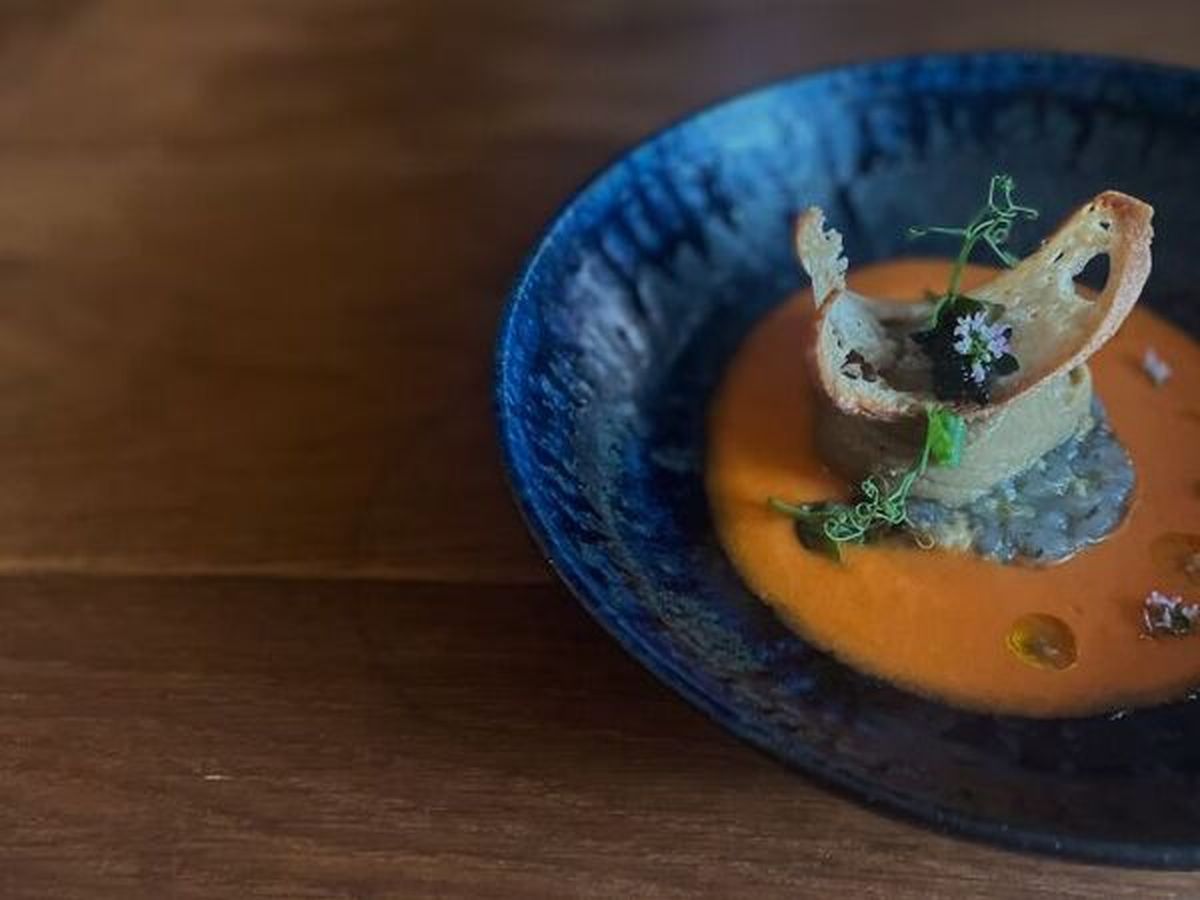
| Spain | TauLa | Let Japanese season move through a Spanish course in warm wood |
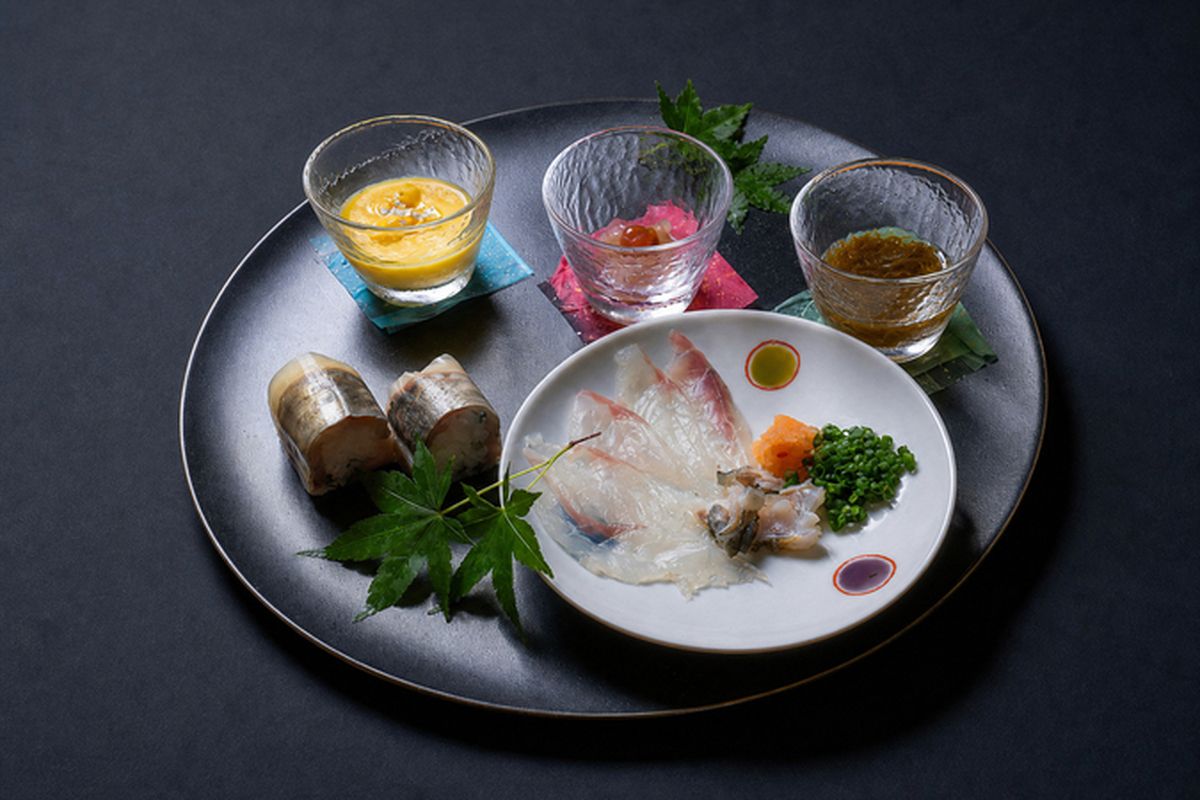
| Sushi | Hashiri Shimokitazawa | Pair sushi and wine inside Reload on the former railway land |
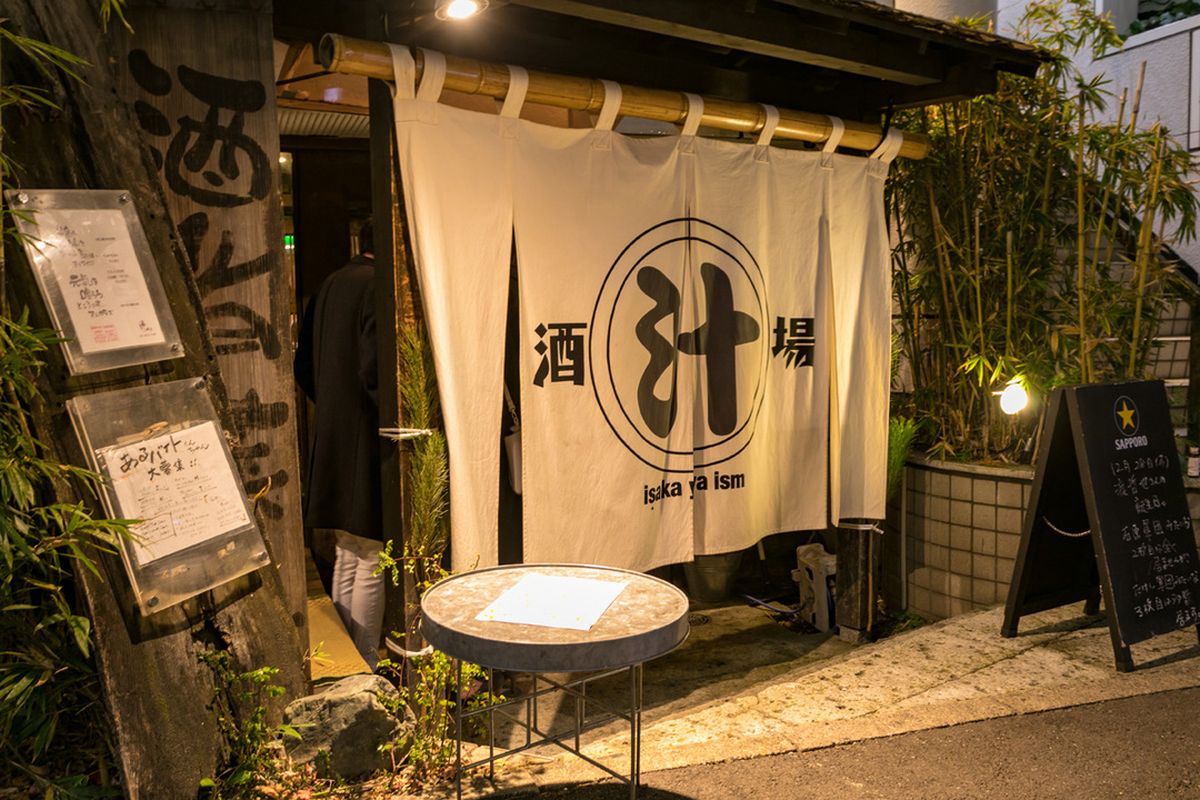
| Alley | Shirube Shimokitazawa | Put oden and playful Japanese plates inside a backstreet izakaya evening |
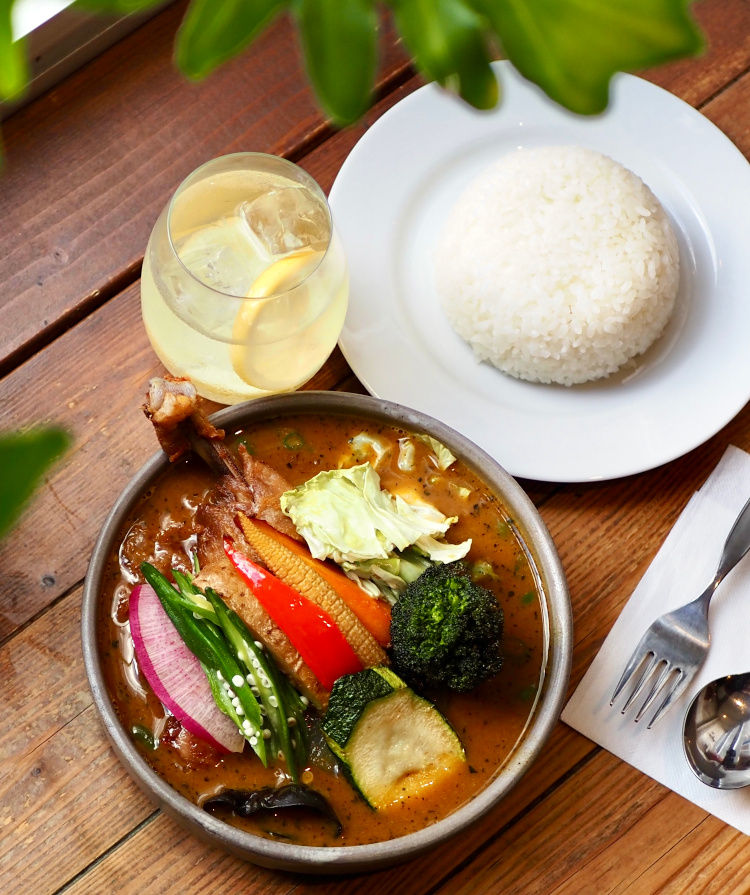
| Soup curry | Ponipirica | Let colorful vegetables and chicken explain Shimokita’s curry culture |
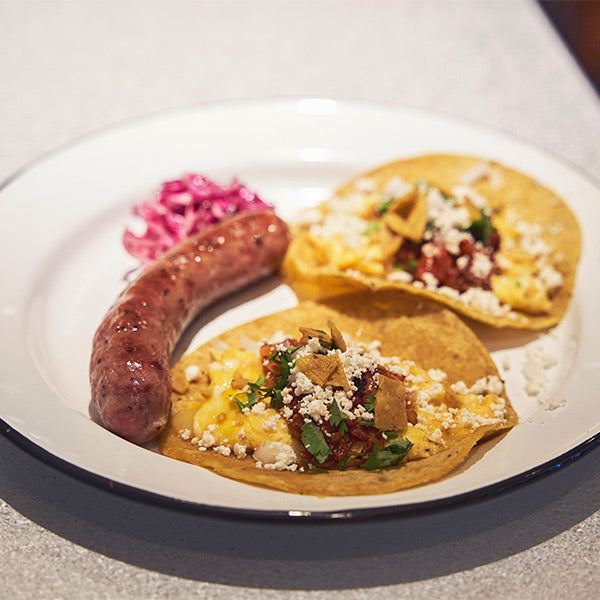
| Tracks | KITADE TACOS Shimokitazawa | Eat Hokkaido-corn tortillas at NANSEI PLUS beside the old railway route |
New table
where
Reserve where on TableCheckChoose this when Shimokitazawa's independent spirit should continue through dinner. The small modern Italian restaurant builds its courses around pasta, seasonal ingredients and natural wine.
Spain
TauLa
Reserve TauLa on TableCheckChoose this when Japanese season should travel through Spanish technique. TauLa uses domestic seafood and vegetables in a warm wood room, giving the meal refinement without removing it from the neighborhood's intimate scale.
Sushi
Hashiri Shimokitazawa
Reserve Hashiri on TableCheckChoose this when the new street itself should become part of dinner. Hashiri places seasonal sushi and European wine inside Reload, the development built along former railway land.
Alley
Shirube Shimokitazawa
Reserve Shirube on TableCheckChoose this when the route into dinner should feel as memorable as the food. Behind the noren in a Shimokita alley, Shirube serves oden and playful Japanese izakaya dishes with the kitchen close by.
Soup curry
Ponipirica
Check Ponipirica's official siteChoose this when you want the casual food most closely associated with a Shimokita afternoon. The bowl makes the argument visually: aromatic broth, a large chicken leg and vegetables kept bright and distinct.
Tracks
KITADE TACOS Shimokitazawa
See the official Shimokitazawa store detailsChoose this when the neighborhood's newer, outward-looking side should fit in your hand. KITADE makes tortillas from Hokkaido corn and fills them with Mexican flavors at NANSEI PLUS by the former railway route.
Reserve four; leave two to the street
Reserve where for a personal new Italian table, TauLa for Spanish cooking shaped by Japanese ingredients, Hashiri for sushi and wine in Reload or Shirube for the energy of a backstreet izakaya. Each booking button leads to a restaurant-specific English reservation screen checked on September 2, 2026.
Ponipirica and KITADE TACOS solve a different need. Both let the afternoon stay loose: one turns the curry town into a vivid bowl, and the other turns the railway redevelopment into a handheld meal. Their buttons lead to official information rather than presenting either as a reservation you must organize the day around.
Build one Shimokitazawa afternoon and evening
Begin after lunch, when the neighborhood comes fully awake. Use soup curry before a long sweep through the vintage shops, or tacos as you move along the former railway land. Leave space for records, books and one small theater or cinema; Shimokitazawa works best when the meal is part of wandering rather than a checklist interruption.
For dinner, choose by atmosphere. where is the new independent table. TauLa is the warm Spanish-Japanese course. Hashiri is the polished expression of Reload. Shirube is the alley and the shared izakaya table. That separation matters more than ranking six unlike experiences from first to sixth.
The fastest way to narrow six to one
Choose where for a new intimate table, TauLa for Spanish season, Hashiri for sushi and wine, Shirube for alley energy, Ponipirica for soup curry or KITADE TACOS for a flexible meal along the tracks.
Sources
- GO TOKYO Shimokitazawa guide, accessed September 2, 2026.
- where restaurant-specific reservation page, accessed September 2, 2026.
- TauLa restaurant-specific reservation page, accessed September 2, 2026.
- Hashiri Shimokitazawa restaurant-specific reservation page, accessed September 2, 2026.
- Shirube Shimokitazawa restaurant-specific reservation page, accessed September 2, 2026.
- Ponipirica official website, accessed September 2, 2026.
- KITADE TACOS official store page, accessed September 2, 2026.