Tokyo
Ginza Guide: What the Neighborhood Is Like and How to Walk It
Affiliate disclosure: This page contains affiliate links. If you book or buy through them, we may earn a commission at no extra cost to you. As an Amazon Associate we earn from qualifying purchases.
CHOOSE YOUR NEXT STEP
- Occasion: Ginza turns shopping, tea and dinner into one polished stretch of the day.
- Walk the main avenue for the scale, then use the side streets for smaller shops and restaurants.
- Give cafés and confectionery their own pause rather than treating them as filler.
- Choose dinner by the memory you want, then reserve the exact restaurant.
Ginza is Tokyo at its most deliberate. Department stores, international brands, long-running Japanese shops, galleries, cafés and destination restaurants share a compact central district, but the experience changes as soon as you leave the broad main avenue for the narrower side streets.
Use this page to understand the neighborhood. When you are ready to choose a table, move to our six Ginza restaurant choices.
Stay in Ginza
Choose the exact restaurant
Choose counter craft, wood fire, old-Ginza yoshoku, tea, sushi or wagyu, then reserve the table that matches the memory.
Compare six Ginza tables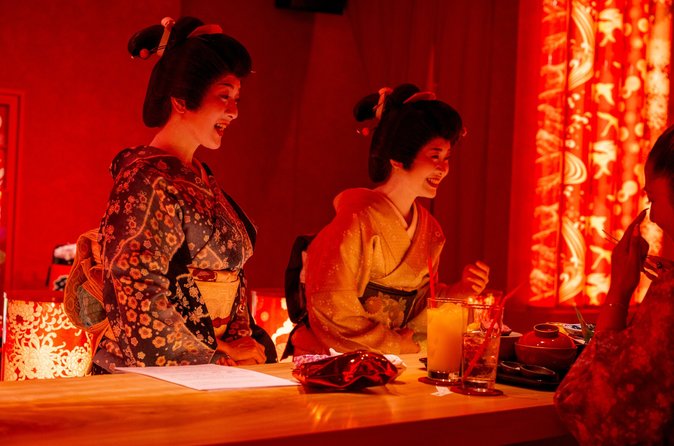
Continue to Shimbashi · Occasion
Share dinner, dance and games with geisha
Choose this when the evening itself should become the story you take home. The approximately 90-minute experience combines a Japanese meal, drinks, performance, conversation and traditional games near Shimbashi Station.
Before booking: it is near Shimbashi rather than inside Ginza, and every guest must be 20 or older.
Check geisha-dinner datesWhat Ginza feels like
The district is known for polished retail and luxury dining, but it is not only expensive counters. GO TOKYO also points visitors toward traditional Japanese crafts, galleries, cafés and long-established shops. GINZA OFFICIAL’s directory shows the same range across food, fashion, culture and services.
The useful way to read Ginza is as two layers. The main avenue gives the neighborhood its scale and ceremony. The side streets reveal smaller entrances, older businesses and restaurants that can be easy to miss if you only move in a straight line.
Open the map, then choose one Ginza mission
Open the official Ginza walking map before you start. Use Ginza Station for the main crossing, Higashi-ginza for Kabukiza, or Yurakucho when arriving by JR. The neighborhood is compact enough to combine one shopping mission, one cultural stop and dinner without rushing.
- Classic Ginza: begin at the Wako clock tower and Mitsukoshi, then walk Chuo-dori for the department-store scale.
- Japanese gifts: make Ginza Itoya the anchor for stationery and calligraphy goods, then explore the smaller side streets instead of only luxury flagships.
- Modern design: use GINZA SIX for fashion, art and a rooftop pause in one building.
- Kabuki: walk east to Kabukiza. The building, gallery and souvenir area still work as a cultural stop even when a full performance is not part of the day.
Do not try to collect every famous store. Pick the mission that sounds most like your trip, save its location, and let the streets between stops supply the discoveries.
When Ginza works best
Come during the day when shops, galleries and cafés are part of the plan. Let late afternoon become the bridge between browsing and dinner. Ginza also works after dark, but the evening is stronger when one restaurant or performance has already given it a purpose.
Individual businesses keep their own hours and closing days. Check the exact shop, gallery or restaurant before building the day around it.
A simple way to walk it
- Begin on the main avenue to understand the district’s scale.
- Turn into the side streets instead of treating Ginza as one shopping corridor.
- Choose one café, confectionery stop or gallery as a deliberate pause.
- Finish near the restaurant you reserved rather than crossing the district again at dinner time.
You do not need to enter every famous building. One broad street, one side-street discovery, one pause and one meal are enough to make Ginza feel coherent.
What to eat here
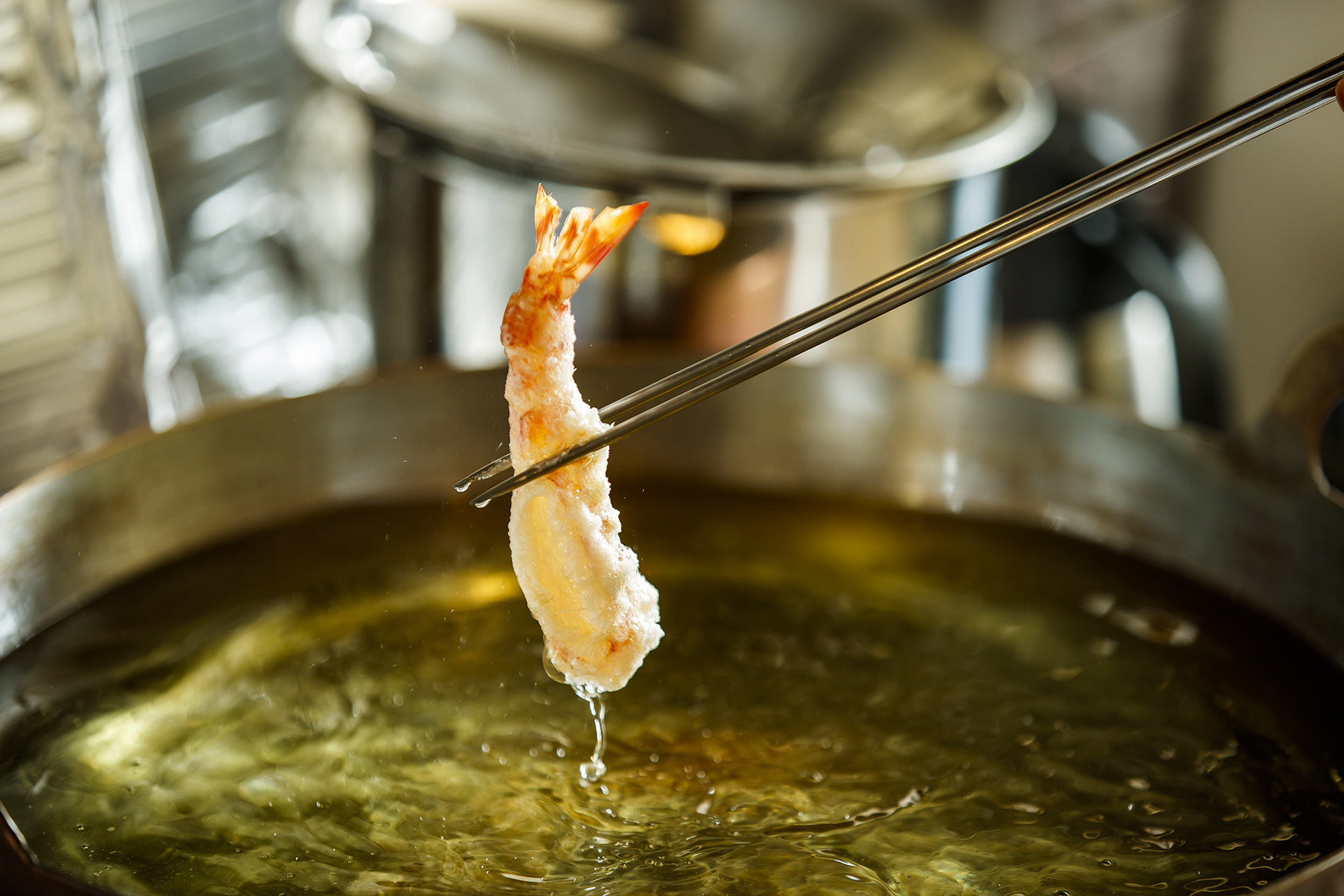
Ginza is a strong place for Edomae sushi, tempura, Western-style yoshoku, wagashi and carefully staged contemporary dinners. The choice should begin with the kind of memory: counter craft, wood fire, old Ginza, a quiet tea room, sushi precision or a wagyu occasion.
Our Ginza restaurant guide keeps the official image, reason to choose and reservation route together so a decided reader can go straight to the restaurant.
Ginza or Tokyo Station?
Choose Ginza when shopping, dining and an evening atmosphere are the center of the day. Choose Tokyo Station and Marunouchi when trains, luggage, business-district architecture or a tightly timed arrival and departure matter more.
Choose nearby Hibiya and Yurakucho when park space, theater or the rail arches should shape the evening instead. The Hibiya and Yurakucho restaurant guide compares six meals without sending you across Tokyo.
For that practical comparison, use our Tokyo Station and Ginza stay-area guide.
Sources
- GO TOKYO: Ginza, accessed September 1, 2026.
- GINZA OFFICIAL: Ginza walking map, accessed September 7, 2026.
- GO TOKYO: Kabukiza Theatre, accessed September 7, 2026.
- GINZA OFFICIAL: Ginza Itoya, accessed September 7, 2026.
- GINZA OFFICIAL, accessed September 1, 2026.
- GINZA OFFICIAL: Eat directory, accessed September 1, 2026.
- Tokyo Traditional Geisha Show and Japanese Fine Dining Experience, product and location checked September 5, 2026.