Tokyo Food
Best Asakusa Restaurants: 6 Meals from Edo to Modern Tokyo
Affiliate disclosure: This page contains affiliate links. If you book or buy through them, we may earn a commission at no extra cost to you. As an Amazon Associate we earn from qualifying purchases.
CHOOSE YOUR NEXT STEP
- Access: reserve SAKURA when tempura must also fit halal, gluten-free or vegetarian needs.
- Edo: reserve Komagata Dozeu when the room and dojo hotpot should carry you furthest into old Tokyo.
- Occasion: call Asakusa Imahan when the meal belongs around one shared pot.
- Range: reserve Mugitoro for a gentler Japanese meal; keep Owariya and Kamiya Bar flexible.
← Compare restaurants across Tokyo by area, craving and occasion
Asakusa does not have one old-Tokyo flavor. Its food story runs from Edo-period hotpots and tempura to Meiji-era drinking culture, with bowls and shared meals that fit very different moments in a temple day.
Choose the memory first. These six restaurants do different jobs, and every image comes from the named restaurant or its official tourism listing.
Choose the Asakusa meal you want
| Memory | Choose | Why it is different |
|---|---|---|
| Access | Tempura Asakusa SAKURA | Reservable tempura with unusually clear guidance for international food needs |
| Bowl | Owariya | Tempura soba that gives a walking-heavy temple day a warm pause |
| Occasion | Asakusa Imahan | Sukiyaki built around sharing one pot rather than eating on the move |
| Edo | Komagata Dozeu | Dojo hotpot and a historic tatami setting that belong specifically to old Tokyo |
| Gentle | Asakusa Mugitoro | Tororo cuisine when the day calls for a composed, less fried Japanese meal |
| Modernity | Kamiya Bar | Denki Bran and Western-style dishes in the story of modern Asakusa |
Access
Tempura Asakusa SAKURA
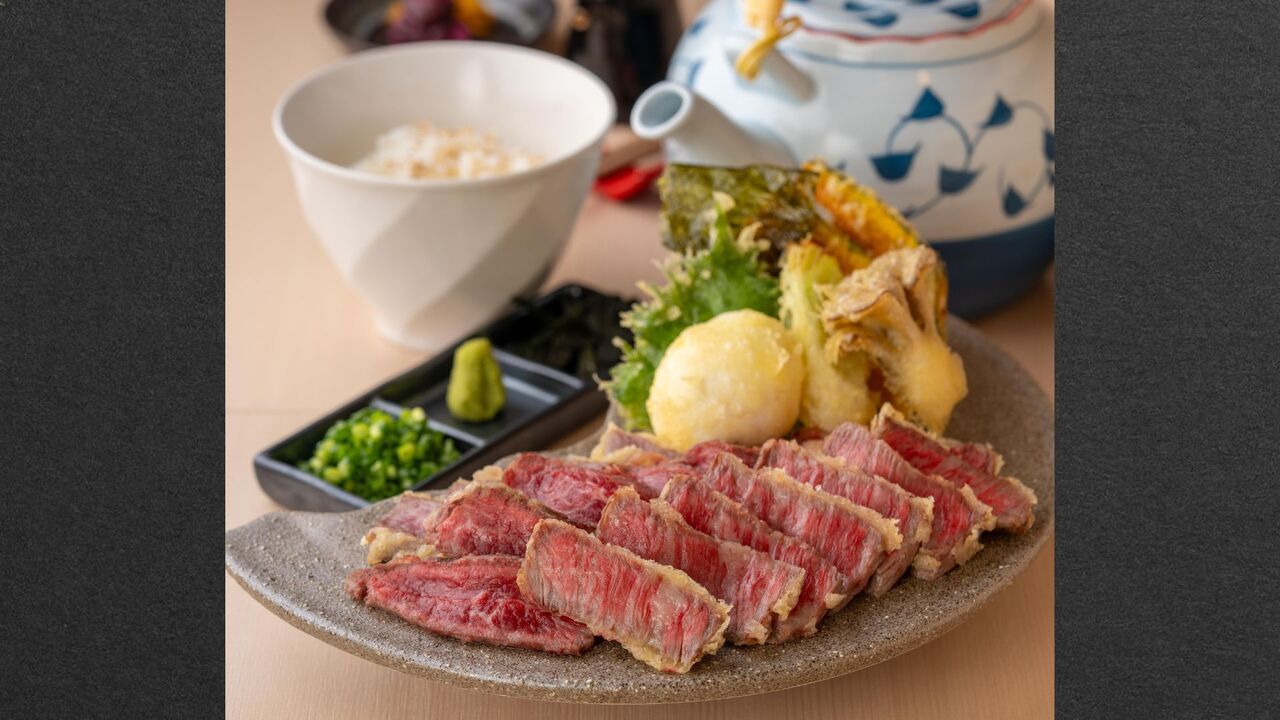
Choose this when nobody at the table should have to trade away the tempura experience. The restaurant publishes English guidance for halal-certified, gluten-free and vegetarian choices, while its small room keeps the cooking close.
Reserve SAKURA on TableCheckBowl
Owariya
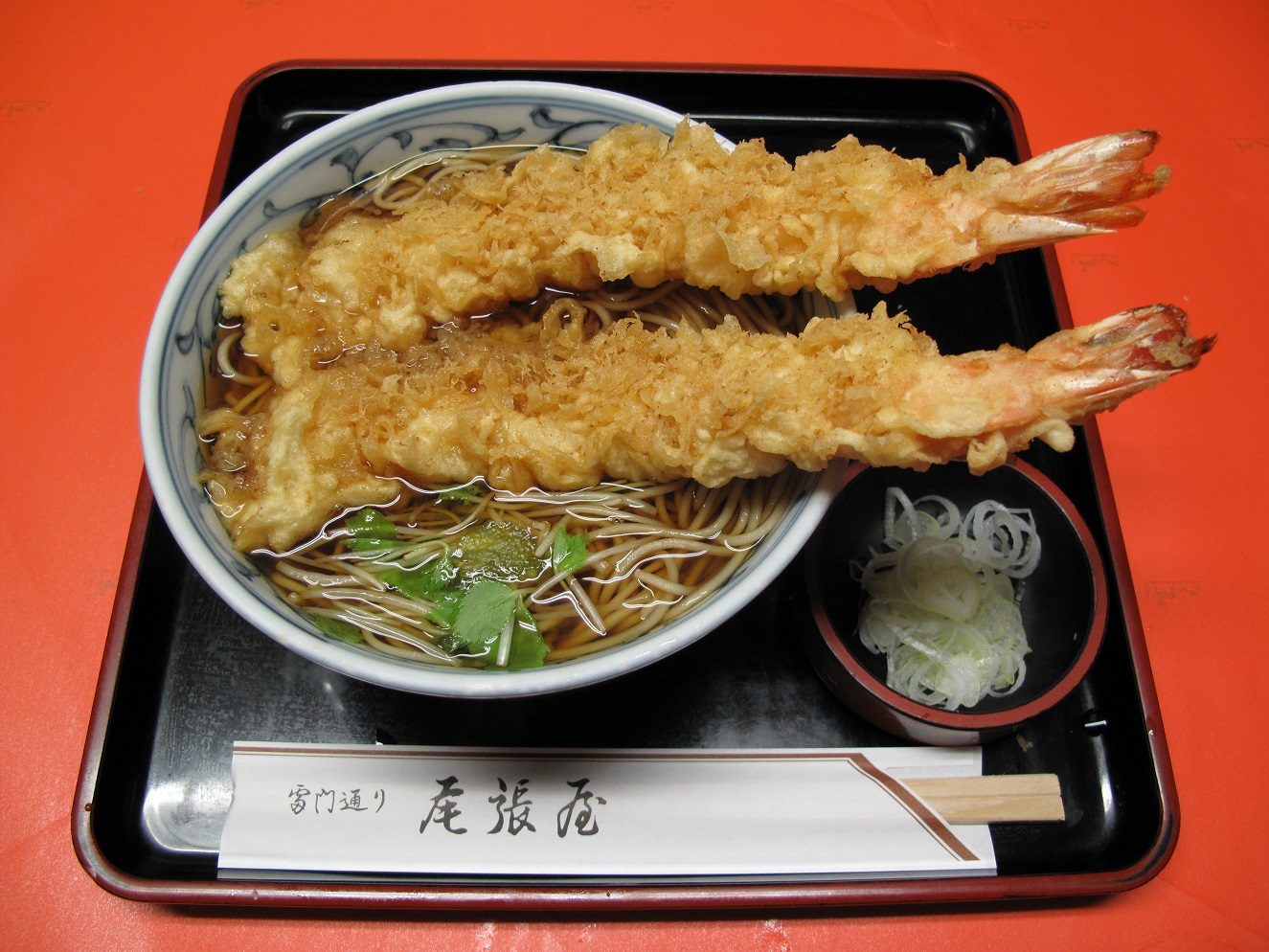
Choose this when the temple day needs a seat, warmth and enough energy for the river afterward. The official tourism listing presents Owariya's tempura soba with two large shrimp and a history reaching back to 1870, turning a practical bowl into part of the neighborhood story.
See the official tourism listingOccasion
Asakusa Imahan
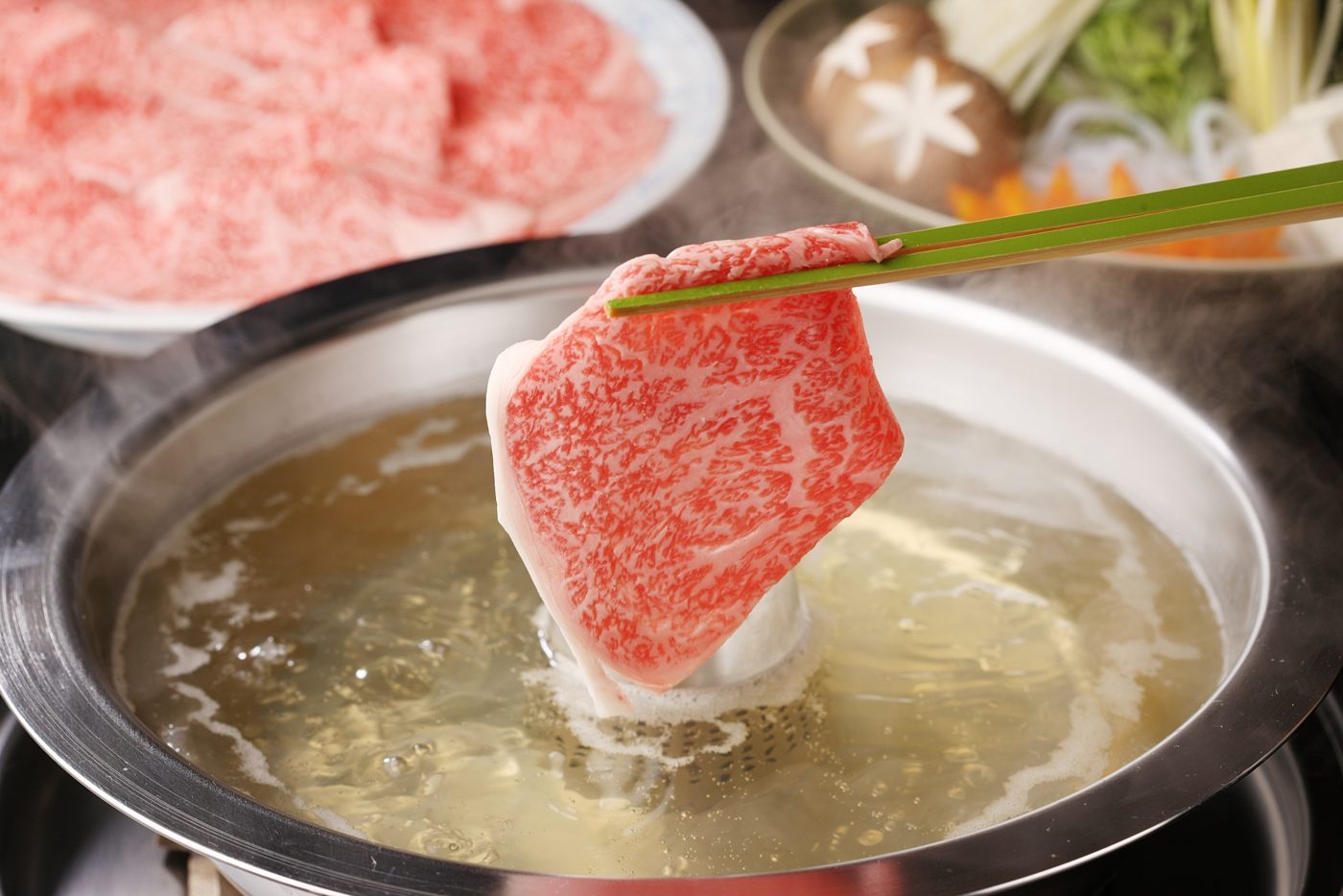
Choose this when lunch or dinner should become the shared event, not a stop between sights. Founded in 1895, Asakusa Imahan brings beef, vegetables, warishita sauce and egg together around one pot: the kind of meal a couple, family or group remembers as time spent together.
See official phone reservation conditions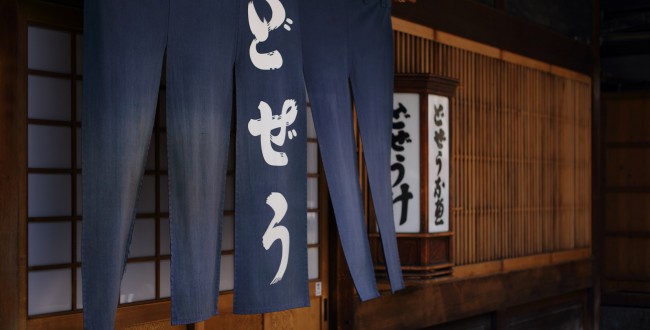
Edo
Komagata Dozeu
Choose this when eating should take you furthest into old Tokyo. The restaurant dates to 1801, and dojo nabe, the named curtain, wood and tatami setting make the room part of the encounter.
Reserve Komagata DozeuGentle
Asakusa Mugitoro
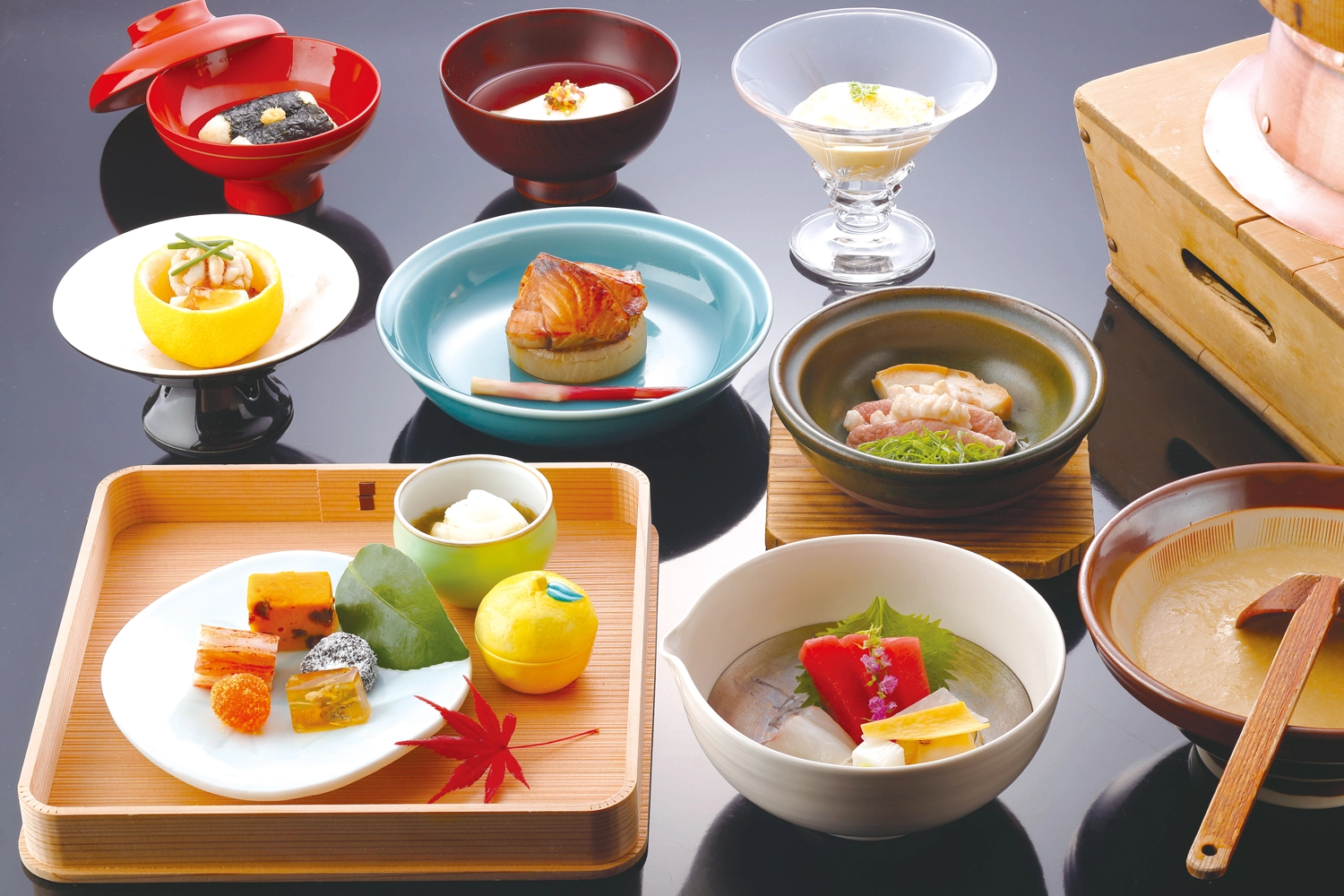
Choose this when the day needs a quieter Japanese meal instead of another fried dish or heavy hotpot. Established in 1929, the restaurant centers tororo across kaiseki and other dining formats, so the lasting memory is composed hospitality rather than street-side speed.
Reserve Asakusa Mugitoro on TableCheck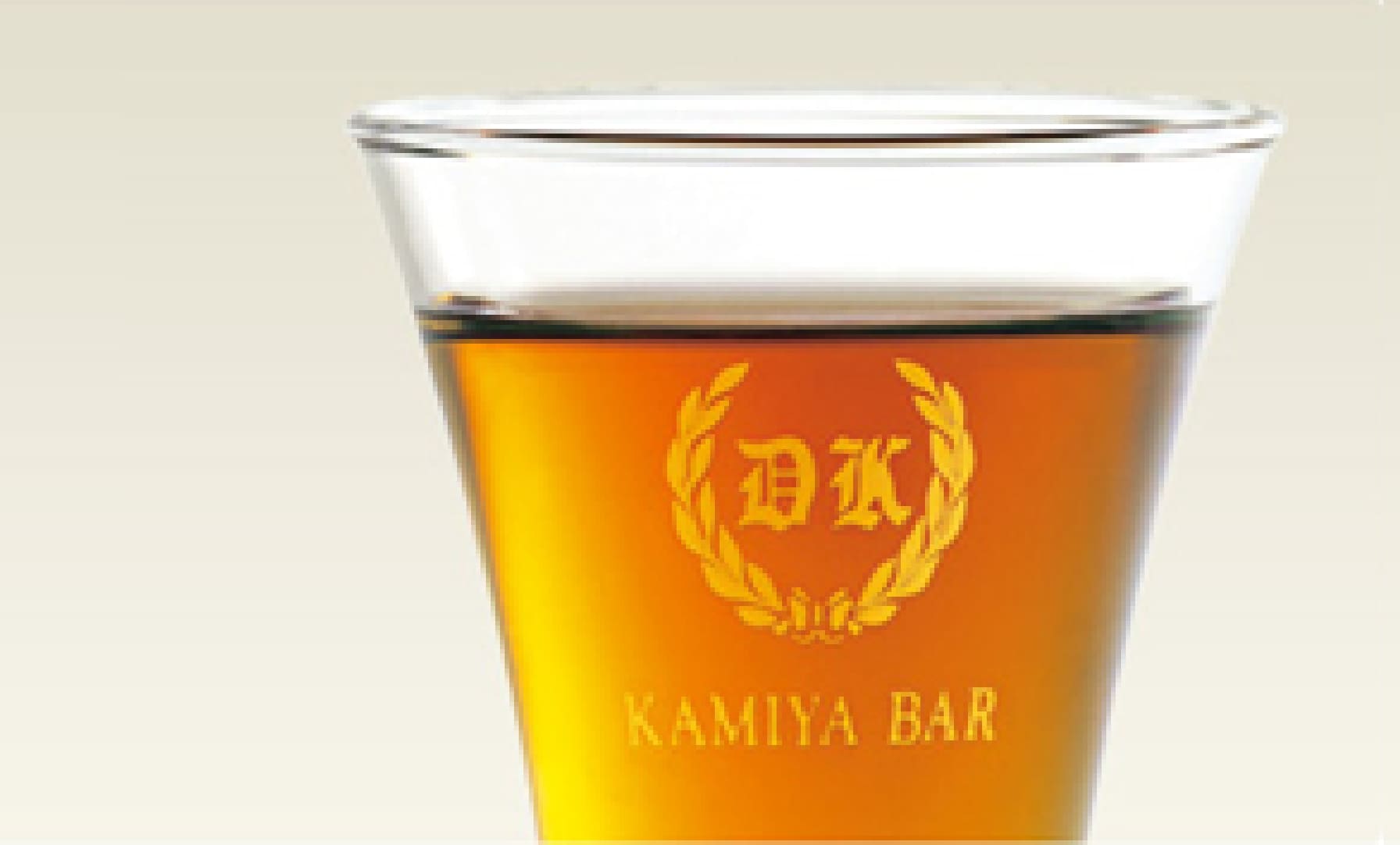
Modernity
Kamiya Bar
Choose this when Asakusa's modern age sounds more inviting than another Edo meal. Founded in 1880, Kamiya Bar calls itself Japan's first bar; its Denki Bran began in 1882, while the second floor serves Western-style dishes, making one amber glass a doorway into Meiji-era imagination.
See the official Asakusa visitor listingThe fastest way to narrow six to one
Choose SAKURA when tempura must also accommodate clear international food needs. Choose Owariya when the meal needs to restore the day without taking it over. Choose Asakusa Imahan when people around the table matter as much as the food.
Choose Komagata Dozeu for the most place-specific step into Edo. Choose Mugitoro for a calmer, composed Japanese meal. Choose Kamiya Bar when a historic drink and the energy of modern Asakusa are more compelling than another traditional set meal.
Geography helps. SAKURA, Owariya and Kamiya Bar fit naturally around Kaminarimon and central Asakusa. Mugitoro and Komagata Dozeu pull the meal south toward the Sumida River and Kuramae direction. Make that movement part of the walk rather than crossing the neighborhood twice.
One restaurant or a guided food walk?
These six choices let one restaurant become the meal’s anchor. A guided food walk buys a different memory: several tastings, local explanation and less responsibility for choosing stops. Compare that separate decision in our Asakusa food tours guide; it is not a seventh restaurant.
Check the condition that can change
Use the linked official page before visiting. Hours, closing days, reservations and menu availability can change. The stable decision is the memory you want to take home: tradition, a restoring bowl, a shared occasion, Edo, gentleness or modernity.
UNDERSTAND THE NEIGHBORHOOD
Want to know Asakusa better?
See what kind of neighborhood Asakusa is, when to visit and how to walk from the temple to the river.
What is Asakusa like?Sources
- Tempura Asakusa SAKURA restaurant-specific booking page, accessed September 2, 2026.
- Owariya, Asakusa Tourism Federation, accessed September 1, 2026.
- Asakusa Imahan, Asakusa Tourism Federation, accessed September 1, 2026.
- Asakusa Imahan official English reservation policy, accessed September 2, 2026.
- Komagata Dozeu, Asakusa Tourism Federation, accessed September 1, 2026.
- Komagata Dozeu restaurant-specific booking page, accessed September 2, 2026.
- Asakusa Mugitoro official website, accessed September 1, 2026.
- Asakusa Mugitoro restaurant-specific booking page, accessed September 2, 2026.
- Kamiya Bar official website, accessed September 1, 2026.
- Kamiya Bar, Asakusa Tourism Federation, current HTTPS visitor route checked September 7, 2026.