Tokyo Neighborhoods
Asakusa Tours and Experiences: Food, Tea, Street Kart, and Prices
Affiliate disclosure: This page contains affiliate links. If you book or buy through them, we may earn a commission at no extra cost to you. As an Amazon Associate we earn from qualifying purchases.
CHOOSE YOUR NEXT STEP
- Contrast — Bring home one East Tokyo day: temple bells, a warm street sweet, and Skytree across the river.
- Choose early calm for the temple or late-morning energy for red storefronts, food and people; both belong to Asakusa.
- The Sumida River Walk connects Asakusa to TOKYO SKYTREE TOWN on foot; live opening details can change.
- Book a food tour for a guided meal or street kart only when that timed experience improves your day.
Asakusa works when a temple visit, walking streets, and food belong in one daylight block. It is not a place to rush through as a single gate photograph. The useful decision is what should carry the day after Senso-ji: a local-food lunch, a river-and-Skytree walk, a child-friendly stop, or one timed experience that gives the day a shape.
CHOOSE THE MEMORY AFTER SENSO-JI
Guided lunch, tea ceremony, or a street-level Skytree drive?
FIVE OR MORE FOOD STOPS
I want old Asakusa to become lunch
A guide connects several vendors; exact dishes can change.
Check food-tour dates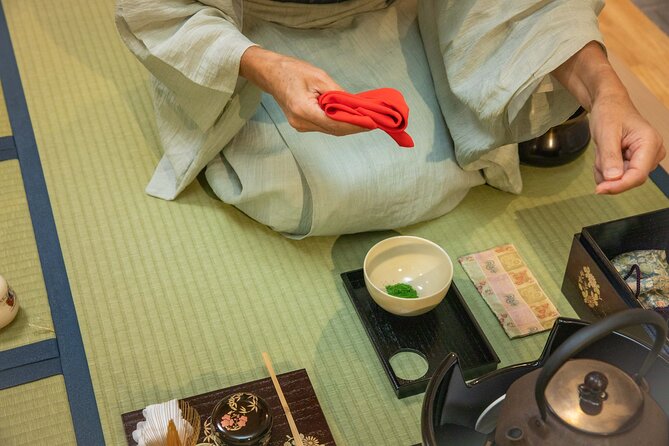
KIMONO + MATCHA
I want one quiet cultural hour
Choose dressing and tea when slowing down matters more than another landmark.
Check tea-ceremony times
ASAKUSA + TOKYO SKYTREE DRIVE
I want the old-and-new Tokyo contrast in motion
Original physical driving documents are required.
Check street-kart datesChoose the Asakusa day you want
Walk Kaminarimon, Nakamise, Hozomon, the incense burner, and the Main Hall in that order. Let the rest of the day stay nearby.
Use the temple route, a warm sweet, and the riverfront to see how worship, commerce, and Edo leisure grew together here.
Choose ningyo-yaki or kaminari-okoshi while walking, then reserve a guided lunch only if you want the meal to become the day’s anchor.
Keep the temple short, then use the Culture Tourist Information Center, Hanayashiki, or an indoor Skytree-side stop according to energy and weather.
Map the temple, shrine, and shopping streets before you book
The compact route is Asakusa Station, then Kaminarimon, Nakamise, Senso-ji, and Asakusa Shrine. Use the official area map before adding Kappabashi: it sits west of the temple route and turns a simple temple morning into a longer shopping walk.
Open the official English Asakusa map
Continue behind Senso-ji to Asakusa Shrine. The shrine honors the three people connected to Senso-ji's founding tradition; it is a Shinto stop beside the Buddhist temple, not another temple hall.
Read the shrine's official English historyUse Nakamise for fans, masks, kokeshi dolls, kimono accessories, small sweets, and the lively approach to the temple. Buy here when the street itself is part of the memory.
See the official Nakamise guideChoose Kappabashi for knives, ceramics, lacquerware, utensils, and realistic food samples. Add it only when kitchen craft is a real priority; it is not on the direct gate-to-temple line.
See the official Kappabashi guideNeed the details before choosing?
The photographs and booking buttons are kept once at the top. Use these focused pages only for the remaining decision:
A short history to carry through the temple grounds
Senso-ji’s own tradition dates the appearance of its Kannon image to 628. The temple says that the priest Shokai established a Kannon hall here in 645 and that the principal image was then kept from public view. That long continuity matters: the smoke before the Main Hall belongs to a living place of worship before it becomes a visitor’s photograph.
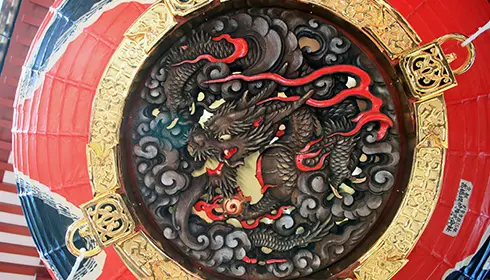
Ningyo-yaki: the small sweet that carries Asakusa with it
Ningyo-yaki is a small cast sponge cake with anko bean-paste filling. It is best understood as a warm, hand-held detail of a temple-and-shopping-street walk; freshly baked pieces are worth choosing when available rather than treating the sweet as a generic souvenir.
Its Asakusa connection is literal. Taito City records that Kimuraya Honten, founded in 1868 and described there as Asakusa’s oldest ningyo-yaki shop, makes four landmark forms: a pigeon, lantern, five-story pagoda, and Raijin, the thunder god. The shapes were first called meisho-yaki (“landmark cakes”) before ningyo-yaki became the familiar name. That history is why the cake belongs to an Asakusa walk rather than a snack detached from place.
Kimuraya Honten’s city profile says the shop provides freshly baked ningyo-yaki. Shop hours, stock, and closing days can change, so confirm them on the day rather than building a timed itinerary around an old listing.
Jōkōro: the incense burner before the Main Hall
Before the Main Hall stands the jōkōro, the large incense burner. A simple and considerate way to take part is to stand back, use your hand to waft a little smoke toward yourself, and then make room for the next visitor. Many people also waft smoke toward their head, but that is a common custom rather than a required, strict rule.
Senso-ji describes worshippers receiving the rising smoke and praying for health and well-being. GO TOKYO likewise describes wafting incense smoke over the body as a local practice. Read both as an act of prayer and custom, not as a medical treatment or a promise of a health effect.
If you choose to buy incense, first watch the designated area and the flow of people. Purchase and light it only where permitted, place it carefully in the burner, take your moment without blocking the approach, and continue toward the Main Hall. Do not push through the crowd, wave smoke toward other people, or stand close enough to inhale a large amount directly.
Food: let the street and the meal tell one story
Asakusa is good at two kinds of food decision, and they should not be confused.
First, eat a small thing because you are in Asakusa. Ningyo-yaki is the warm, landmark-shaped answer. Kaminari-okoshi is the crisp rice snack whose name and origin are tied to Kaminarimon; GO TOKYO describes it as a popular Asakusa souvenir. These are walking foods and gifts, not substitutes for a meal.
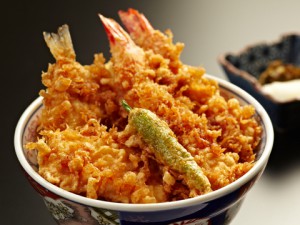
Then choose a seated meal by mood. The official Tokyo guide places Asakusa among the older districts where long-running restaurants are especially associated with lightly battered tempura and soba. Choose tempura or soba when you want an Edo-shaped lunch at your own pace. Choose the guided food route when the meal itself should become a social memory with a clear start, several stops, and no need to choose each door alone.
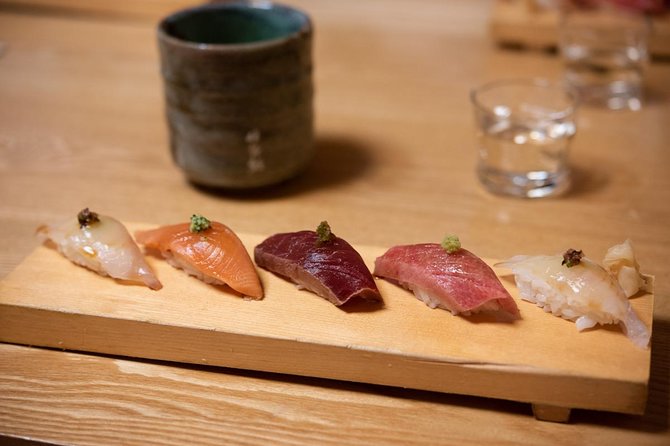
Viator’s Asakusa Highlights: Street Food Crawl Tour is the guided option that best matches this rhythm. When checked on September 1, 2026, its listing described a two-hour lunch with full-size tastings at five or more vendors, including long-running shops, and a maximum of two travelers. It does not guarantee every exact dish shown in the gallery. The food-tour card above is the booking route; recheck the selected date’s meeting instructions, inclusions, dietary process, accessibility, and cancellation terms before paying.
To decide between a classic restaurant, a snack walk, and the guided crawl, use our Asakusa food-tour and independent-eating guide. For the broader choice between Asakusa, Shinjuku, and Yanaka, see Best Tokyo Food Tours for First-Time Visitors.
Street kart: make the old-Tokyo and Skytree contrast participatory
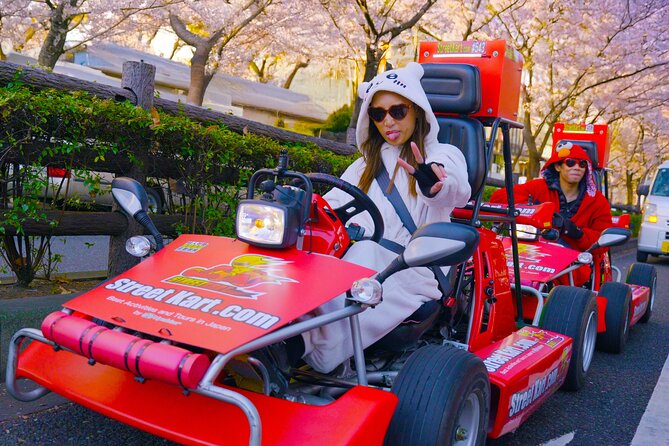
Viator’s Official Street Go-Kart Tour in Asakusa is the live timed activity that belongs directly in this area. When checked on August 30, 2026, the listing described a one-to-one-and-a-half-hour route past Asakusa Shrine and Tokyo Skytree, with a listed group cap of five. It is the smallest listed group among the four Street Kart routes compared on Japan Block by Block.
Choose it when driving is the experience you want from the day, not merely a fast way to move between sights. The operator’s document rules come before route choice: every driver must be at least 18 and carry the original physical documents accepted for their license country. The street-kart card above is the booking route. Read the full document check in our Tokyo Street Kart comparison before paying for any route.
Cross the river when you want the old-and-new Tokyo contrast
The river is the cleanest way to make Asakusa feel larger without changing neighborhoods. From the Senso-ji side, the official Tokyo guide identifies SUMIDA RIVER WALK as the pedestrian route to TOKYO SKYTREE TOWN. It is a 160-metre bridge and, when checked on August 30, 2026, GO TOKYO listed it as open from 7:00 to 22:00. It also notes that the route brings you to TOKYO mizumachi and the Skytree-side complex.
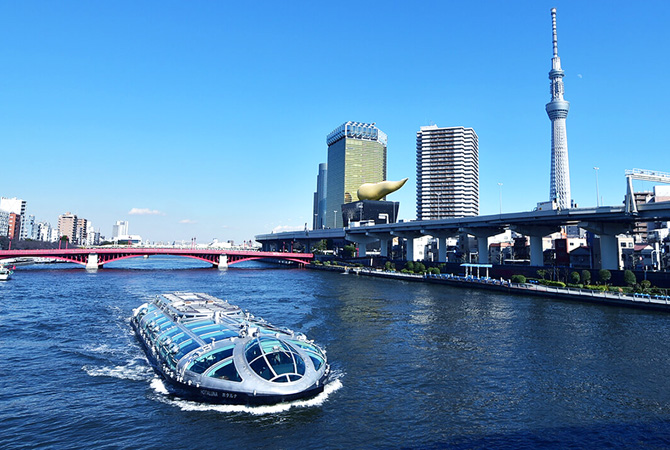
This is the right continuation when you want the photograph and the feeling of the day to change: old temple roofs behind you, river in the middle, and Tokyo Skytree ahead. TOKYO SKYTREE TOWN adds the tower, a large shopping complex, an aquarium, and a planetarium; it is not a second temple stop. Keep it as a deliberate modern finish rather than trying to turn every stop into one checklist.
Before entering Senso-ji, the Asakusa Culture Tourist Information Center is a useful orientation point directly by Kaminarimon. Taito City says staff provide information in Japanese, English, Chinese, and Korean, and its eighth-floor terrace looks across Asakusa toward Skytree. Use it for a map, a pause, or a quick view, not as a reason to delay the temple.
Three routes that keep the day human
The half-day first visit: temple, sweet, river
Start at Kaminarimon and keep the first part of the day deliberately simple: Nakamise, Hozomon, the jōkōro, and the Main Hall. Choose one warm sweet on the way out, then cross toward Skytree only if the group still wants a change of scene. This is the best route for a first visit with limited time because it leaves room for the temple to feel like a place rather than a task.
The food-led day: temple first, guided lunch second
Walk Senso-ji before the food tour’s live meeting time. Let the guided lunch become the second act, not a reason to skip Kaminarimon and Nakamise. After the tour ends near the temple, decide between river views, a slow return through the shopping streets, or a rest. This route suits travelers who want to remember the people and tastes of a Tokyo day, not merely collect snacks.
The full East Tokyo day: old Tokyo, then Skytree-side indoors
Use the Culture Tourist Information Center and Senso-ji in the morning, choose an independent meal or booked food experience, then cross the river through SUMIDA RIVER WALK. Finish at Skytree Town only after deciding whether the tower, aquarium, or planetarium is actually your group’s priority. This is the stronger one-day route for visitors who want the contrast between historic Asakusa and contemporary Tokyo in one continuous area.
With children or rain: choose the finish, not a longer checklist
For children, Asakusa does not need to be only a slow cultural stop. Asakusa Hanayashiki is beside Senso-ji and its official English site publishes age and ride information, including attractions available from age zero and conditions that vary by ride and weather. Choose it when the group needs play after the temple; check the current calendar, height rules, and rain operation directly with the park.
For a wet-weather finish, cross to Sumida Aquarium only if an indoor experience is genuinely more useful than forcing the river walk. Its official FAQ says the aquarium is indoors, and its support page lists two baby-rest rooms, elevators, and gently sloped routes for strollers and wheelchairs. That makes it a practical East Tokyo fallback for families, but not a reason to schedule every child into the same plan.
For a lower-energy pause near Kaminarimon, use the Culture Tourist Information Center’s multilingual desk, nursing room, café, and terrace according to its live hours. The benefit is not another attraction; it is giving a group a clean place to decide what happens next.
Before you reserve
- Choose one timed anchor. A food tour and a street-kart route can both be good, but only if their live meeting and end points leave real daylight for the district.
- Book the memory, not the category. Choose food tour for a shared meal after the temple; choose street kart only when driving the old-and-new skyline contrast is the reason for booking.
- Check the starting point, not only the neighborhood name. A route called Asakusa still has a specific shop or meeting landmark.
- Read inclusions and dietary requests on the food listing. These are specific to the product and date.
- Complete the driving-document check before choosing street kart. The required originals depend on the country that issued the license.
- Use current cancellation terms from the live product page. Do not rely on a neighborhood guide for a booking condition.
Day and night: know when to change neighborhoods
Asakusa is strongest in daylight, when the temple, walking streets, river, and Skytree contrast can do the work. It can end with a quiet riverside view or a Skytree-side dinner, but it should not be forced to carry a Shinjuku-shaped nightlife plan.
Use Shinjuku for a food-led Tokyo night, including Golden Gai and Ni-chome choices. Use Shibuya for crossings, fashion streets, music, and late-city energy. Use Roppongi when art districts and an international nightlife route are the point. To compare every part of Tokyo before selecting an experience, return to Choose Tokyo by Neighborhood.
If the memory you want is quieter and hands-on, use our Asakusa tea ceremony decision guide. It separates whisking and drinking matcha, wagashi, kimono, and the one-hour format from a sightseeing-only temple visit.
Give the temple its own chapter
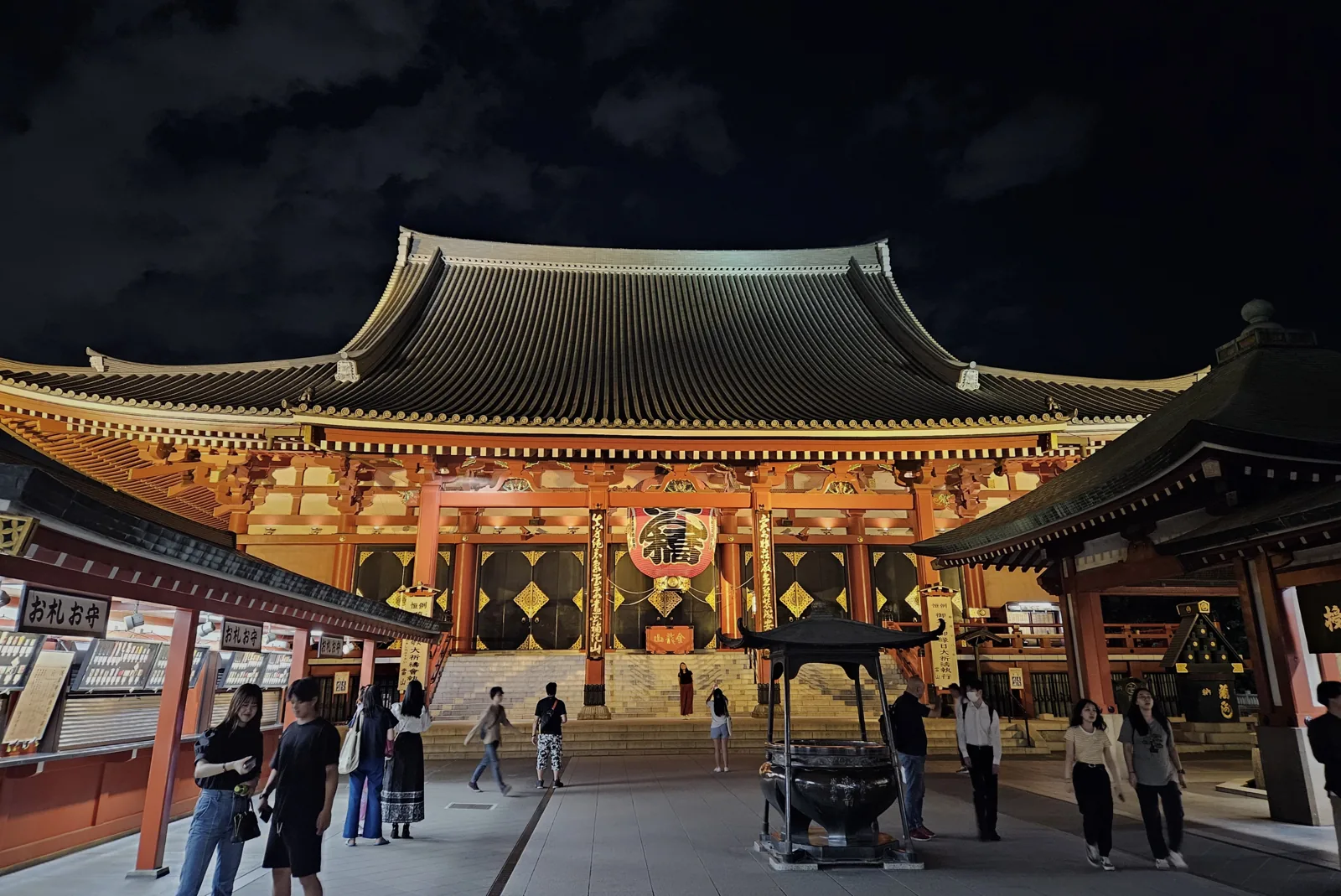
The Asakusa day becomes more memorable when Senso-ji is more than the first photograph before lunch. If the incense, gates, and Main Hall are the reason you came, use the dedicated walk before you decide whether food, the river, or Skytree should be the next act.
Choose depth before another attraction
Walk Senso-ji from Kaminarimon to the Main Hall
Choose this next page when you want to carry the temple's route, incense custom, and history through the rest of your Asakusa day; then let a warm sweet or a guided lunch become a second, distinct memory.
Read the Senso-ji walk and temple customs Photo: lumoplank / Wikimedia Commons, CC0 1.0. Temple history and visit guidance are in the linked Senso-ji page.FAQ
Is Asakusa better in the daytime or at night?
It is most naturally planned as a daytime area, but “daytime” does not mean only an empty early-morning photograph. Start early for temple calm; arrive later in the morning for Nakamise’s red storefronts, food and human energy. Food can extend that block, and the river or Skytree can become an evening finish once the group has decided what it actually wants to do there.
Can I book a food tour and street kart on the same day?
Only if live start times, end points, and the driving-document check leave a comfortable margin. Begin with one timed anchor rather than stacking two product titles onto a temple day.
What should I eat in Asakusa besides ningyo-yaki?
For a quick local snack, consider kaminari-okoshi as well as ningyo-yaki. For a sit-down meal, use tempura or soba when you want an independent Edo-shaped lunch; choose the food tour when the guided meal and its stops are the experience you want to remember.
How do I continue from Asakusa to Tokyo Skytree?
Use the river only when the old-and-new Tokyo contrast is part of your plan. GO TOKYO describes SUMIDA RIVER WALK as the pedestrian connection from Asakusa to TOKYO SKYTREE TOWN; check live opening details before relying on it.
What is the best Asakusa plan when it rains?
Keep the temple visit concise, then select one indoor anchor rather than forcing every outdoor stop. The Culture Tourist Information Center is useful near Kaminarimon; Sumida Aquarium is fully indoors on the Skytree side. Check the live facility details and the weather before leaving the temple area.
Sources and notes
- Asakusa Highlights: Street Food Crawl Tour, Viator, accessed 2026-09-01.
- Official English Asakusa map, GO TOKYO / Tokyo Convention & Visitors Bureau, accessed 2026-09-07. Area layout and shopping streets.
- Asakusa Shrine official English site, accessed 2026-09-07. Shrine origin, enshrined founders, and Sanja Matsuri context.
- Nakamise, GO TOKYO, accessed 2026-09-07. Location, souvenir categories, and temple-approach context.
- Kappabashi Kitchenware Town, GO TOKYO, accessed 2026-09-07. Location and kitchenware categories.
- Restaurant Guide, Taito City official tourism information, accessed 2026-09-01. Asakusa food categories and tendon context.
- Official Street Go-Kart Tour in Asakusa, Viator, accessed 2026-08-30.
- Senso-ji official site, accessed 2026-08-30. Temple origin, the 645 Kannon hall, and the Main Hall jōkōro context.
- About Senso-ji, accessed 2026-08-30. The temple’s 628 tradition and its wider historical context.
- Sensoji Temple, GO TOKYO, accessed 2026-08-30. Visitor-facing description of the incense-smoke custom and current-facility information.
- Kimuraya Honten, Taito City, accessed 2026-08-30. 1868 founding, oldest-in-Asakusa claim, four cake forms, meisho-yaki history, and freshly baked offering.
- Tokyo local food, GO TOKYO, accessed 2026-08-30. Kaminari-okoshi and ningyo-yaki context.
- Food and drink in Tokyo, GO TOKYO, accessed 2026-08-30. Tempura and soba in Tokyo’s traditional districts.
- SUMIDA RIVER WALK, GO TOKYO, accessed 2026-08-30. Asakusa-to-Skytree walking connection, 160-metre length, and listed opening hours.
- Asakusa: a guide to Japanese tradition, GO TOKYO, accessed 2026-08-30. Asakusa riverfront and Skytree context.
- Kaminarimon Gate, GO TOKYO, accessed 2026-08-31. Official Senso-ji image used for the lantern detail.
- Asakusa: a guide to Japanese tradition, GO TOKYO, accessed 2026-08-31. Official Hotaluna water-bus image used for the Sumida waterfront.
- Asakusa Culture Tourist Information Center, Taito City, accessed 2026-08-30. Multilingual information, eighth-floor terrace, services, and listed hours.
- ASAKUSA HANAYASHIKI FAQ, accessed 2026-08-30. Child, weather, ticket, and ride-condition information.
- Sumida Aquarium FAQ, accessed 2026-08-30. Indoor visitor areas.
- Sumida Aquarium visitor support, accessed 2026-08-30. Baby rooms, stroller access, elevators, and slopes.
- Product details, price, availability, route, meeting instructions, and booking terms can change by date and party size. Confirm them on the live listing before booking.