Tokyo Neighborhoods
Shinjuku Night Tours: Izakaya Food vs Ni-chome Bar Crawl
Affiliate disclosure: This page contains affiliate links. If you book or buy through them, we may earn a commission at no extra cost to you. As an Amazon Associate we earn from qualifying purchases.
CHOOSE YOUR NEXT STEP
- Layers — Bring home a Tokyo night in layers: dinner, tiny bars, and a different community after dark.
- A food tour gives the first layer a clear shape; Golden Gai and Ni-chome are distinct, independent choices after it.
- Golden Gai has roughly 280 small bars; the food tour's live route, meeting point, and terms must be checked for the selected date.
- Choose Shinjuku when the evening is the memory; keep only one timed anchor and leave the later streets flexible.
Choose Shinjuku when dinner, compact streets, and a major-station finish should form one Tokyo evening. It is most useful when you want one clear structure before deciding how late to stay out.
Make dinner the first layer
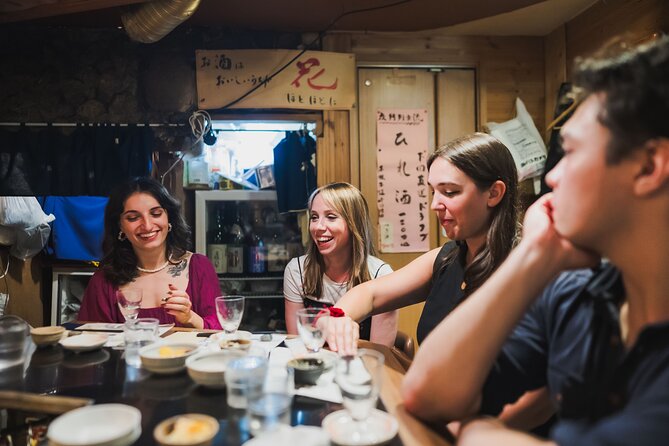
Enter Shinjuku through a shared izakaya table
Choose this when 14 or more tastings, three drinks, and several small restaurant doors should turn an unfamiliar district into the whole first night.
Before booking: allow about 3.5 hours, expect three to four stops, and confirm the live meeting point, dietary process, and cancellation terms.
Check Best of Shinjuku izakaya dates Image: Viator, supplied by Ninja Food Tours for product 87037P2.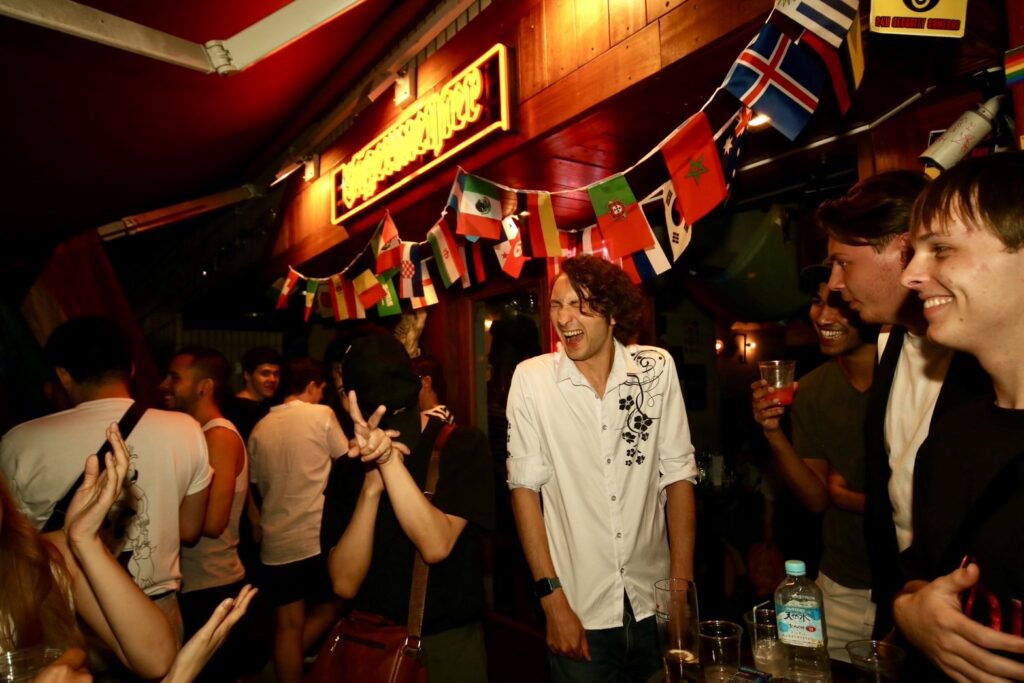
Make community the first layer
Enter Ni-chome with a small hosted group
Choose this when drag, karaoke, and LGBTQ+ nightlife should be the plan rather than a vague detour after dinner.
Before booking: the listed format is about three hours, English, and up to eight travelers; drinks and entrance fees are included, but snacks and meals are not.
Check Shinjuku Ni-chome dates Image: Japan Gay Guide, supplier of the listed experience.Choose the Shinjuku night you want
Use one guided meal or a planned dinner near the station, then let the late streets be optional. The value is a night with a beginning, not a race through every district.
Choose the izakaya tour when 14 or more tastings, three drinks and a shared route through the evening streets are more useful than choosing every restaurant door alone.
Choose Golden Gai for one or two tiny bars; choose Ni-chome for drag, karaoke, and LGBTQ+ nightlife. They are neighboring ideas, not the same experience.
Solo travelers can use a hosted food or Ni-chome night as the social anchor. Groups can keep later bars flexible. In rain, use the metropolitan-government observatory as a dry, low-commitment city view before dinner.
Why Shinjuku feels like several Tokyo nights at once
Shinjuku has two useful scales. Around the station, it gives you the practical benefit of a major transport hub and a dense evening district. A few streets away, it can become much smaller: counters, food lanes, and bars where the point is being in the neighborhood rather than completing a landmark checklist.
Golden Gai is the clearest example of that contrast: a few minutes from the station, the city shifts from a major transport hub to a tightly packed evening block. A booked food tour and independent street exploration are separate choices; check the live itinerary before assuming a particular lane or bar is included.
The order matters. Let dinner make the first layer of the night. Let a small bar, a show, or a view make the second. Do not treat the station, Kabukicho, Golden Gai, and Ni-chome as four boxes that must all be checked before the last train.
A second kind of Shinjuku night: Shinjuku Ni-chome
Golden Gai is about tiny rooms and a choose-your-own-bar finish. Shinjuku Ni-chome is a different night entirely: Tokyo’s concentrated LGBTQ+ nightlife district, where the point can be a drag bar or show, a karaoke stop, and meeting people in a small group rather than trying to decode every door on your own.
Use the language travelers will find on the booking page: drag bar, drag show, and LGBTQ+ nightlife. Ni-chome belongs beside Golden Gai as a distinct choice, not as a euphemism or a footnote. The card above names a specific three-hour experience; it does not promise entry to every Ni-chome venue. If a high-energy club night is your priority after Shibuya, compare Shibuya and Roppongi nightlife before you build the rest of the evening around it.
Golden Gai: a small-block culture, not a bar checklist
Golden Gai is unusual because its six narrow rows hold around 280 bars, while much of Shinjuku was rebuilt around it. GO TOKYO traces the atmosphere to the early 1950s and notes its postwar red-light-district past; today it is a surviving block of themed, individually run bars rather than one managed nightlife venue. That is why the right way to visit is to choose one or two rooms that genuinely appeal, not to treat every doorway as a photo opportunity or a pub crawl.
Arrive after dinner, since many bars open around 20:00, and read the rules at each door before entering. Some rooms remain members-only, some welcome walk-ins, and five or six seats can be the whole bar. Keep the culture comfortable for everyone: no drinking or smoking in the street, and ask before taking photographs. If you want a pre-arranged evening structure, use the food tour first and let Golden Gai be the unhurried final stop.
The live booking route that fits this neighborhood
If the small doors are part of the appeal but choosing one is not, our Shinjuku izakaya food-tour decision guide checks this exact 14-plus-tasting route against the strongest drink-first alternative.
Viator’s Best of Shinjuku: Izakaya Food Tour is the strongest food-first match for this Shinjuku night. When checked on September 3, 2026, the listing described 14 or more tastings, three drinks, three to four stops, about three and a half hours, and a maximum group of ten.
That makes the product useful for a traveler who wants dinner to give the evening a clear beginning and end, not just restaurant suggestions. It also means the live listing matters more than the title. Check the current start time, exact meeting landmark, inclusions, dietary-request method, cancellation terms, and late-arrival policy for your selected date.
Use the food-tour card above for current dates and price. For a direct food-tour comparison with Asakusa and Yanaka, read Best Tokyo Food Tours for First-Time Visitors. If you are deciding only between a Shinjuku night and an Asakusa sightseeing day, use Shinjuku vs Asakusa Food Tour.
Use the day and night differently
The simplest Shinjuku plan is to let daytime be flexible and protect the evening. Use the earlier part of the day for a short city stop, shopping, or another neighborhood. Then arrive with margin before a fixed meeting, eat with the route, and leave space after the final stop for one unhurried block of streets or a direct train back to the hotel.
This is why Shinjuku is often stronger for a first free evening than for a tightly scheduled sightseeing day. The benefit is not that every minute must be in Shinjuku. It is that the final part of the day has a coherent setting and a practical way home.
Three routes that keep Shinjuku personal
The first-night route: a meal, then one small bar
Arrive with enough margin for the live food-tour meeting point or your own dinner reservation. After the meal, choose one Golden Gai bar that genuinely appeals and leave after it still feels like a good night. This is the best route after a flight or hotel check-in because it gives Shinjuku a clear shape without asking you to navigate several nightlife districts at once.
The culture-and-community route: daylight view, then Ni-chome
Use the Tokyo Metropolitan Government Building’s observatory in late afternoon when you want a free city view and a simple orientation point. Then return toward Shinjuku-sanchome for a timed Ni-chome experience or an independently chosen show and bar. The observatory and queer-nightlife district do different jobs: one gives you the city in view; the other gives the evening a human connection.
The flexible group route: choose the first door together
For friends, begin with a restaurant or the food tour, then decide collectively whether the next hour should be Golden Gai, a Kabukicho walk, a karaoke room, or a direct train back. Do not reserve a second nightlife product merely to prove the night was full. The advantage of Shinjuku is that the later layer can be chosen after you know the group’s energy.
If you realize you want a composed dinner and old lanes more than neon nightlife, change the neighborhood rather than forcing this route. The Kagurazaka restaurant guide compares French cooking, Japanese townhouse dining, tea and a warm street-side bun for a quieter evening reached via Iidabashi.
Solo, rain, and practical timing
Shinjuku is friendly to a solo traveler when the first stop is explicit: a food tour or hosted Ni-chome crawl gives the evening a social beginning without requiring a stranger to guess which small bar takes walk-ins. For groups, decide on one shared anchor before splitting into optional later choices.
Rain changes the opening, not the entire plan. GO TOKYO lists the Tokyo Metropolitan Government No. 1 Building’s observatory at 202 metres, with cafés, tourist information, and free entry; check its live opening, closing, and inspection schedule before routing through it. It is a useful dry pre-dinner choice, not a replacement for the food or nightlife that made you choose Shinjuku.
Before you reserve
- Check the meeting point against your hotel and the previous stop. A Shinjuku address can still be inconvenient if you are crossing Tokyo at the last minute.
- Read the start and end time with the rest of your night in mind. The neighborhood rewards margin more than a rushed last train calculation.
- Confirm what food and drinks are included. A product title does not tell you whether optional orders are part of the plan.
- Use the live listing for dietary requests and cancellation terms. These are product and date specific.
- Keep independent bar visits separate from the reservation. A food tour can structure the evening, but it does not promise entry to every venue you notice afterwards.
Where to go next
Choose Asakusa when food should follow a landmark-focused eastern-Tokyo day. Choose Shibuya for a modern Tokyo night built around bars, food, or a club finish. Choose Roppongi when a larger, social pub crawl and late club entry are the priority. To place Shinjuku among the rest of the city, return to Choose Tokyo by Neighborhood.
When the club finish is the real reason for the night
Shinjuku is the stronger choice when dinner, tiny bars, or Ni-chome are what you want to remember. If the non-negotiable part of the night is a club finish, make that decision before you reserve a food tour or decide how far to travel after midnight.
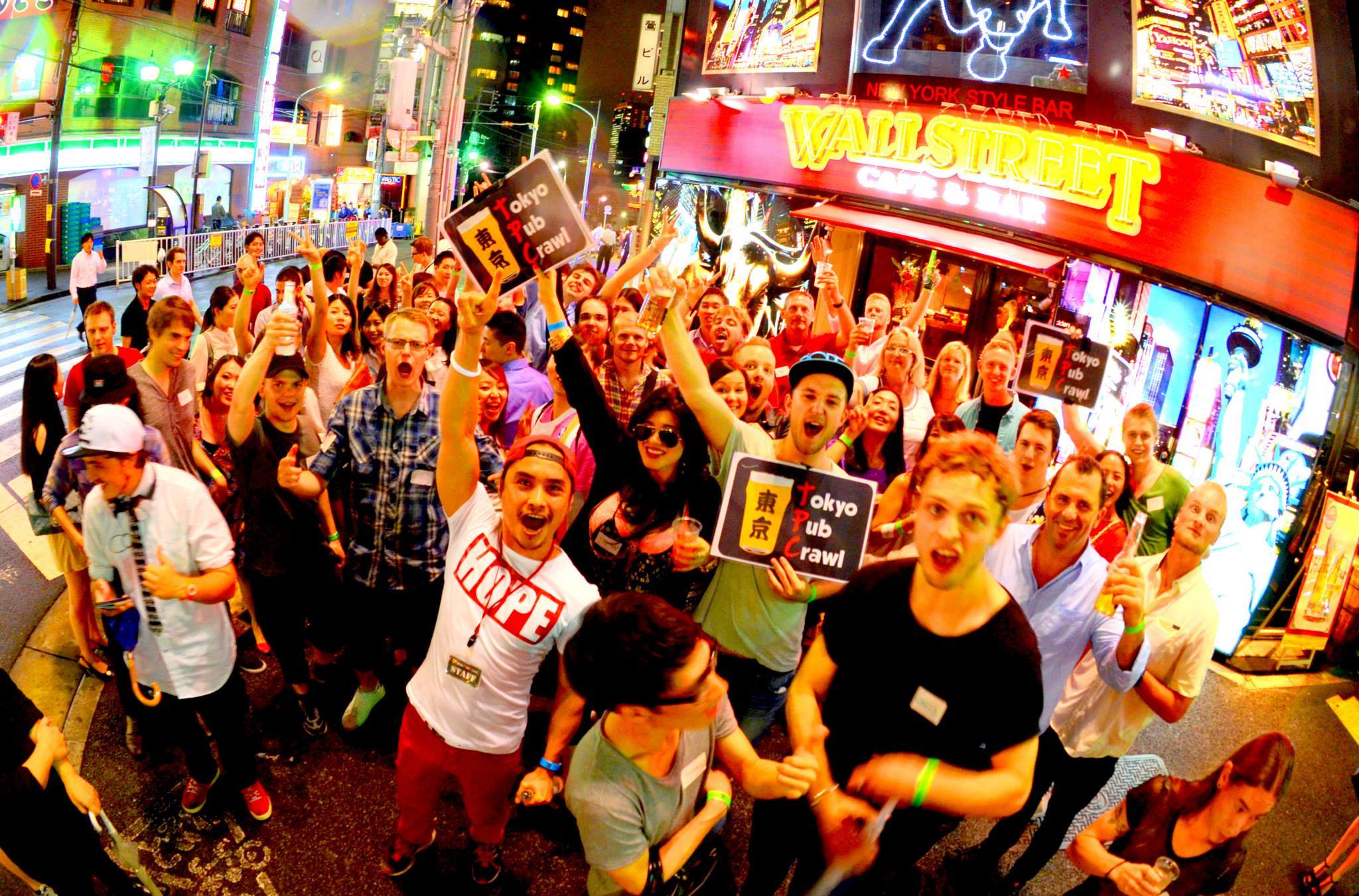
Choose the ending before the first booking
Compare Shibuya's neighborhood night with Roppongi's social crawl
Use the direct comparison when the choice is no longer Golden Gai or Ni-chome, but a food-and-bars Shibuya night versus a larger Roppongi crowd designed to finish at a club.
Choose Shibuya or Roppongi for a club-forward night Image: Japan Gay Guide, supplier of the listed Ni-chome experience. Ni-chome is a distinct Shinjuku choice; the linked page compares Shibuya and Roppongi instead.Want these evenings close to your hotel?
If several nights of your trip belong in Shinjuku, choose your station side before choosing a room. Our stay guide separates west-side towers, east-side nightlife and south-side departures, with a south-side hotel option for two and room-booking links.
Find a Shinjuku base for your nights out
FAQ
Is Shinjuku a good choice for a first night in Tokyo?
Yes, when you have enough time after check-in to reach the meeting point comfortably and want the evening atmosphere to be the main event. A later date can be the better choice if arrival timing is uncertain.
Does a Shinjuku food tour include Golden Gai?
Check the live itinerary for the exact product and date. The Viator listing named Golden Gai when checked on August 29, 2026, but routes and operating details can change.
Should I choose Shinjuku or Asakusa for food?
Choose Shinjuku when the evening is the experience. Choose Asakusa when food is the natural continuation of an eastern-Tokyo sightseeing day.
Is Shinjuku Ni-chome the same as Golden Gai?
No. Golden Gai is a compact collection of individually run small bars. Shinjuku Ni-chome is Tokyo’s LGBTQ+ nightlife district, where drag shows, karaoke, and community-oriented bars are part of the night. Choose the booking that names the type of experience you want.
Sources and notes
- GO TOKYO, Shinjuku Golden Gai, accessed 2026-08-30. Early-1950s character, postwar history, venue scale, opening pattern, and street etiquette checked here.
- GO TOKYO, Drinking and dining, accessed 2026-08-28.
- Tokyo Metropolitan Government No. 1 Building, GO TOKYO, accessed 2026-08-30. Free observatory, visitor services, live-hours caution, and accessibility information checked here.
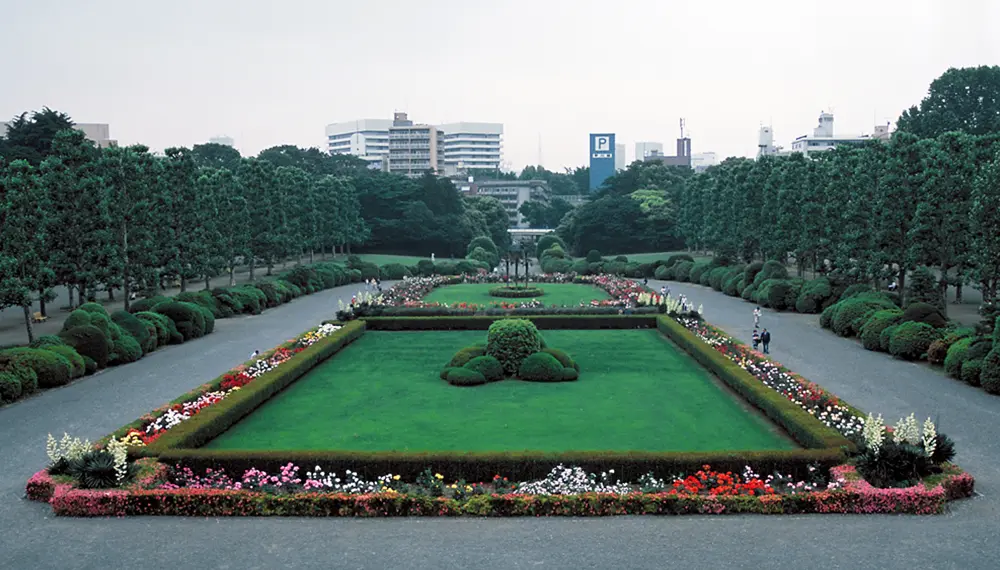
- Shinjuku Gyoen National Garden, GO TOKYO, accessed 2026-08-31. Official Shinjuku Gyoen Management Office image used for the daytime garden layer.
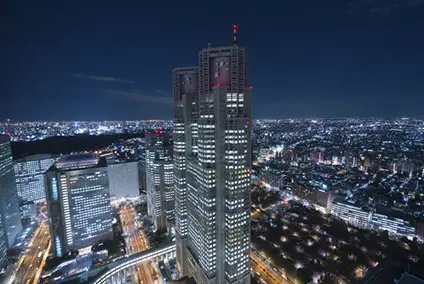
- A guide to Shinjuku, GO TOKYO, accessed 2026-08-31. Official Tokyo Metropolitan Government Building night image used for the skyline layer.
- Best of Shinjuku: Izakaya Food Tour, Viator, accessed 2026-09-03. Live price, availability, route, and booking terms can change by date and party size.
- Tokyo Shinjuku Gay Bar Crawl with Drinks, Viator / Japan Gay Guide, accessed 2026-08-30. Product code
5647195P5; live price, venue order, availability, and booking terms can change by date and party size.