Tokyo Experiences
Shinjuku vs Asakusa Food Tours: Tastings, Times, and Prices
Affiliate disclosure: This page contains affiliate links. If you book or buy through them, we may earn a commission at no extra cost to you. As an Amazon Associate we earn from qualifying purchases.
CHOOSE YOUR NEXT STEP
- Feast — Choose Shinjuku when 14 or more tastings, three drinks and late streets should become the night's main event.
- Discovery — Choose Asakusa when a small guided lunch across old vendors should complete a Senso-ji day.
- These are not two evening tours: Shinjuku is the night choice; Asakusa is the daytime food crawl.
- If one exact Asakusa dish matters most, skip the crawl and book the restaurant directly.
This is not a contest between two versions of dinner. Shinjuku is a feast after dark. Asakusa is a guided lunch that belongs beside Senso-ji. Choose the time and memory first; use the product facts to confirm it.
The decision in one table
| Choose | What you take home | Product shape |
|---|---|---|
| Shinjuku | Feast: one Tokyo night remembered through busy streets, izakaya stops, and a generous shared dinner | About three and a half hours, 14+ tastings, three drinks, three to four stops |
| Asakusa | Discovery: one old-Tokyo lunch remembered through several long-running vendors and a small-format route | About two hours, full-size tastings at five or more vendors, maximum two travelers |
Choose Shinjuku when the tour should be the night. Choose Asakusa when the crawl should complete the day. If you only want tendon, soba, sushi, unagi, or sukiyaki, the honest Asakusa answer may be a restaurant rather than either tour.
After dark · feast
Shinjuku izakaya food tour
Choose this when 14+ tastings, three drinks and several small doors should become the whole night.
Check live Shinjuku datesRead details only if you still need themTemple day · discovery
Asakusa street-food crawl
Choose this when a compact guided lunch across old vendors should complete a Senso-ji day.
Check live Asakusa datesRead details only if you still need themChoose Shinjuku for a big night
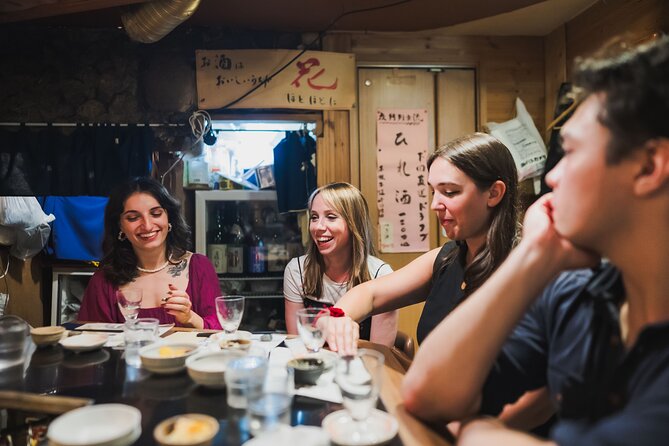
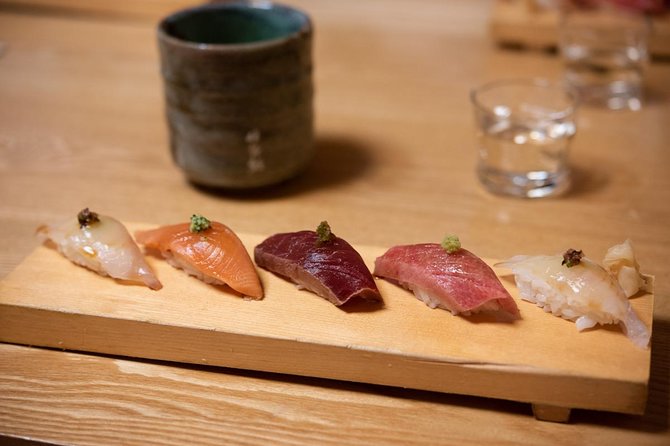
The Viator Best of Shinjuku: Izakaya Food Tour best fits the traveler who wants one booking to remove the uncertainty from a first night out. The listing checked on September 3, 2026 described 14 or more tastings, three drinks, three to four stops, about three and a half hours, and a maximum group of ten.
Viator displayed a 5.0 rating from 3,223 reviews and a 100% recommendation rate when checked on September 3, 2026. That is strong customer evidence for the food-first evening. The practical trade-off is intensity: this is a substantial meal and an evening route, not a quiet tasting between daytime sights.
See Best of Shinjuku izakaya dates
Our Shinjuku izakaya food-tour decision guide checks the exact inclusions, meeting and end points, dietary limits, and drink-first alternative.
Choose Asakusa for a small old-shop lunch
The Viator Asakusa Highlights: Street Food Crawl Tour fits a different day. Its value is Discovery: a guide connects several vendors into a compact lunch near the temple, so two travelers can learn the neighborhood rather than choose every stop alone.
The listing checked on September 1, 2026 described two hours, full-size lunch tastings at five or more vendors, an 11:30 am start near Kaminarimon, an end at Senso-ji, alcoholic beverages, and a maximum of two travelers. Viator displayed a 5.0 rating from 247 reviews and a 98% recommendation rate.
This is the stronger choice when Senso-ji already anchors the day and conversation with the guide matters. It is not the right promise when one exact dish is essential to the choice. The listing also says vegan, vegetarian, and gluten-free options are limited, asks for restrictions at least one week ahead, and marked the experience as not wheelchair accessible when checked.
See Asakusa Street Food Crawl dates and current price
The trade-offs that actually matter
| Decision | Shinjuku | Asakusa |
|---|---|---|
| Best time | Evening | Lunch after a morning temple walk |
| Social rhythm | Energetic, generous, multi-stop night | Small, concentrated, guide-led daytime crawl |
| Strongest evidence | 5.0 from 3,223 reviews; 100% recommended at audit | Excellent rating and recommendation rate; tiny listed group |
| Food promise | 14+ tastings, three drinks, three to four stops | Full-size lunch tastings at 5+ vendors; exact dishes may vary |
| Choose another plan when | You want a quiet or light meal | You want one specified Asakusa specialty |
Three quick decisions
Your first free Tokyo evening needs a shape. Choose Shinjuku.
Your morning is already Kaminarimon and Senso-ji. Choose Asakusa, then keep the afternoon nearby.
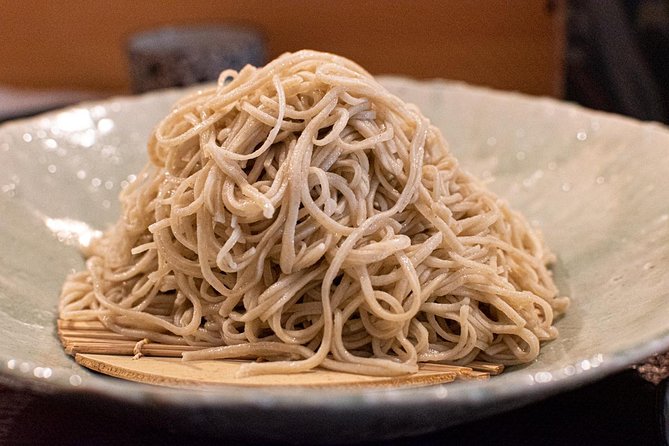
You are dreaming specifically about tendon. Skip the crawl and go directly to a tempura specialist. What to Eat in Asakusa explains the direct-meal options.
For wider neighborhood planning, use the Shinjuku guide or the Asakusa guide. For more Tokyo food-tour areas, see Best Tokyo Food Tours for First-Time Visitors.
Before you book
Confirm the exact start time, meeting point, inclusions, dietary process, walking and accessibility details, cancellation rule, and live price for your selected date. Product routes and conditions can change.
Sources and notes
- Best of Shinjuku: Izakaya Food Tour, Viator product 87037P2, accessed September 3, 2026.
- Asakusa Highlights: Street Food Crawl Tour, Viator product 87037P3, accessed September 1, 2026.
- Shinjuku Golden Gai, GO TOKYO, accessed August 28, 2026.
- Restaurant Guide, Taito City official tourism information, accessed September 1, 2026.