Tokyo Planning
Should You Stay in Shinjuku? Choose the West, East, or South Side
Affiliate disclosure: This page contains affiliate links. If you book or buy through them, we may earn a commission at no extra cost to you. As an Amazon Associate we earn from qualifying purchases.
CHOOSE YOUR NEXT STEP
- Stay in Shinjuku when west-Tokyo days and late dinners should end near your room.
- Choose the west side for towers and a business-district return, the east for food and nightlife, or the south for Busta Shinjuku and Yoyogi-side movement.
- JR East's map shows multiple levels, 16 platform numbers and nine named gate areas, so the correct station side matters with luggage.
- Choose Asakusa for repeated east-Tokyo mornings or Tokyo Station when onward rail and departure logistics dominate.
Shinjuku is the right base when the part of Tokyo you least want to commute from is the evening. Dinner, shopping, Golden Gai, Ni-chome and west-Tokyo trains can all finish near the room. The real choice is not simply “Shinjuku.” It is which side of Shinjuku Station.
Who should stay in Shinjuku?
Choose Shinjuku when two or more of these describe the trip:
- several days run west toward Shibuya, Harajuku or beyond central Tokyo;
- dinner and nightlife are recurring parts of the itinerary;
- a highway bus from Busta Shinjuku anchors arrival or departure;
- you prefer returning to a bright, active district rather than commuting away from it;
- one major transport hub is more useful than a small neighborhood station.
Choose another base when repeated early mornings belong to Senso-ji, Ueno or east Tokyo, or when a bullet train and luggage-heavy departure make Tokyo Station the fixed point. Our first-time Tokyo stay comparison makes that three-way decision before you commit to Shinjuku.
The three useful sides
West side: towers and a composed return
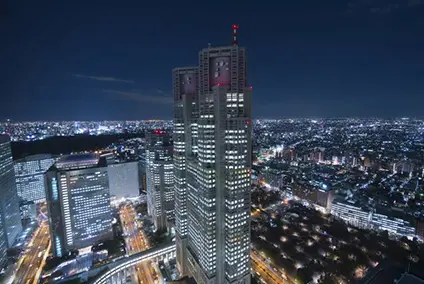
GO TOKYO identifies the west with the Tokyo Metropolitan Government Building and skyscraper district. Choose this side when the room should sit near that business-city landscape and the evening does not need to spill directly into Kabukicho.
The trade-off is simple: many east-side restaurants and nightlife streets lie across the station area. Check the exact walking route after choosing a property; “Shinjuku Station” alone does not tell you which side your final walk uses.
East side: food, shopping and the late streets
GO TOKYO places major shopping, dining and nightlife east of the station. Choose this side when the point of staying in Shinjuku is to make dinner and the later streets easy to reach.
This is the strongest fit for a traveler who expects several Shinjuku nights. It is a weaker fit when the station is only a morning transport tool and quiet early starts matter more than late options. Use our Shinjuku guide and Shinjuku restaurant guide to test whether those evenings are genuinely part of your plan.
South side: buses, Yoyogi and a clear departure
The south is the practical choice when Shinjuku Expressway Bus Terminal, usually called Busta Shinjuku, matters. Its official access page lists the terminal about two minutes directly connected from JR’s New South Gate and about four minutes from JR’s South Gate, as of September 3, 2026.
The terminal places departures on the fourth floor, arrivals on the third and the pedestrian/station connection on the second. Choose the south side when a highway bus is a fixed event, not because every Shinjuku train is automatically simplest from there.
A south-side base for two: Blossom Shinjuku
Enjoy Shinjuku after dark, then give tomorrow’s departure an easier start. JR KYUSHU HOTEL Blossom Shinjuku suits couples or two friends who want evenings in Shinjuku and a short walk to the south-side transport hub, rather than a room in the middle of Kabukicho.
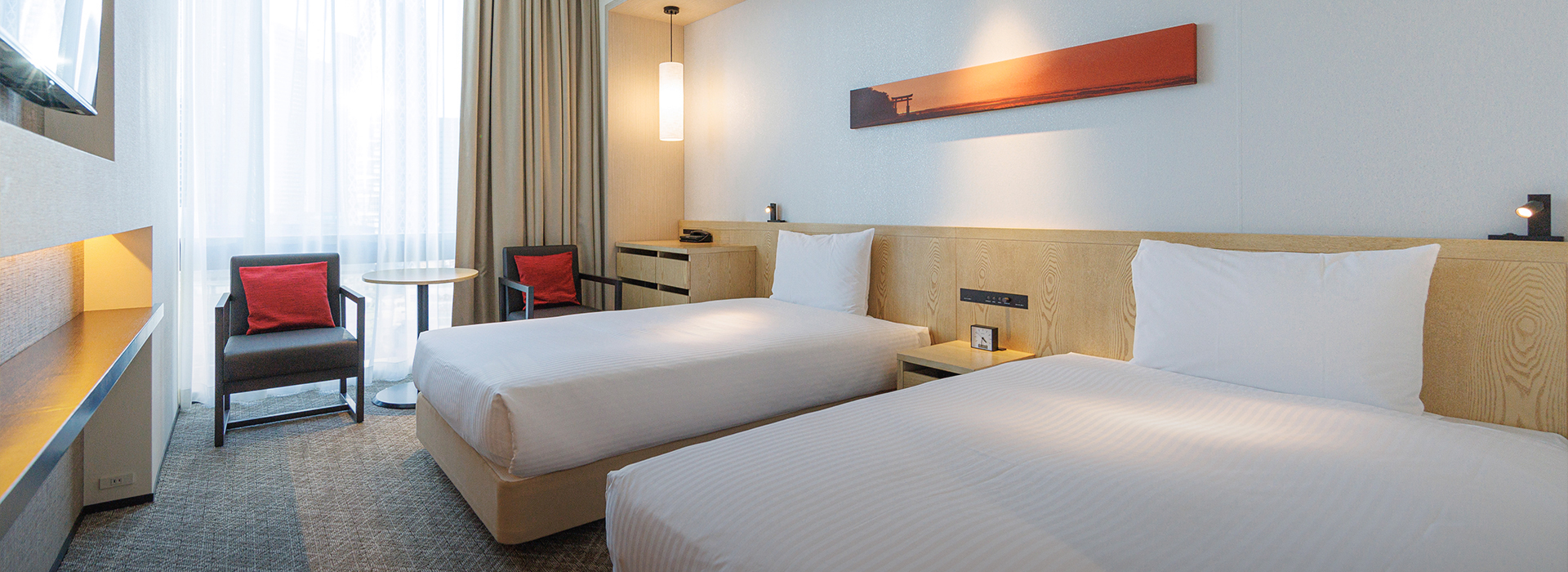
- Choose the Superior Twin for room to unwind together: 25 m², two beds and a bathroom with a separate washing area. The smaller Standard Double is 18 m² with one 140 cm-wide bed; compare it if sharing a bed matters less than the nightly cost.
- Make departure simpler: the hotel lists approximately three minutes on foot from JR Shinjuku’s South Exit and Busta Shinjuku. This is the walk from the exit, not from every train platform.
Before you book: enter your dates and two guests, then compare the same room with and without breakfast. Check the cancellation deadline, taxes and any property-payable charges. A lower headline rate can carry a cancellation fee.
Check Blossom Shinjuku rooms for your dates
Also compare the hotel’s official plans. Prefer the east side if being in the nightlife district itself is the point of your stay.
Why the station side matters with luggage
JR East’s current station guide shows maps for the first floor, second floor and basement level, platform numbers running to 16, and named gate areas including South, West, Central East, Central West, East, Southeast, New South, Koshu-kaido and Miraina Tower.
That is the useful warning: a short straight-line distance can hide a different concourse, level or exit. Before choosing a specific stay, test these three routes separately:
- arrival platform or airport/bus drop-off to the property;
- property to the station entrance used on most mornings;
- the late-night restaurant area back to the property.
Do not optimize only the first arrival. A five-night stay repeats the morning and evening route far more often than check-in.
Transport: what the headline time leaves out
GO TOKYO lists Tokyo Station to Shinjuku at about 14 minutes by JR Chuo Line rapid service, as of September 1, 2026. It also lists approximate Shinjuku access of 55 minutes from Haneda, and from Narita about 1 hour 35 minutes by train or 2 hours by limousine bus.
Those figures compare districts. They do not include reaching the right platform, crossing the station or walking to a property. Shinjuku works best when its network and evening location are advantages you use repeatedly, not when a headline rail time hides a daily cross-town itinerary.
Night, morning and food
Night
Shinjuku earns its price and complexity after dinner. East-side food, Golden Gai and Ni-chome can become choices made on energy rather than long returns. For a structured first evening, our Shinjuku izakaya food tour review explains a food-led route.
Morning
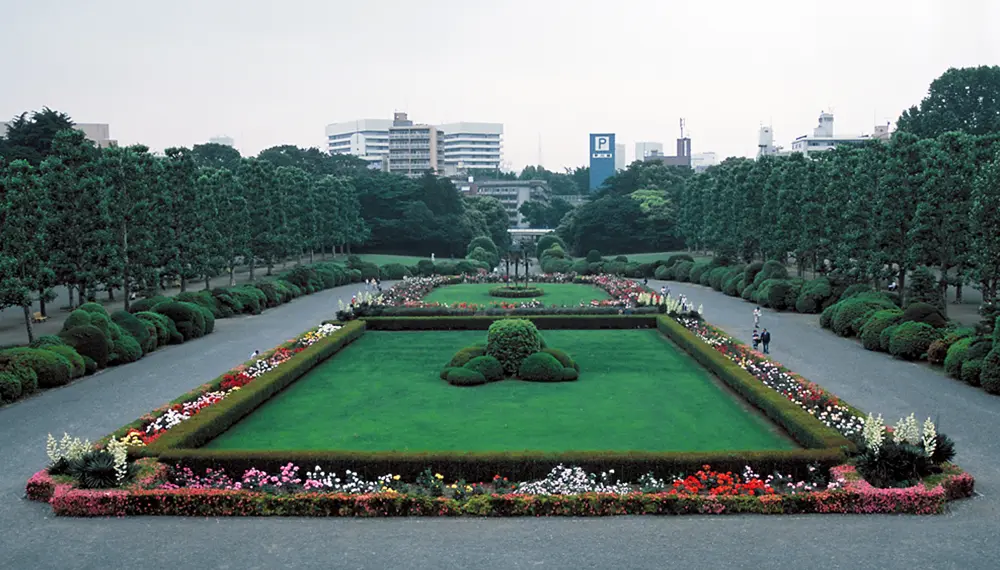
Shinjuku can begin quietly. The official Shinjuku Gyoen image below shows the district’s daytime contrast, but opening hours belong to the garden, not to your accommodation. Check the garden’s official page for the day you plan to visit.
Food
The district rewards flexibility: reserve one meal that matters, then let ordinary breakfasts and late bowls stay close to the chosen station side. The useful question is not whether Shinjuku has food; it is whether you want its food choices near home on several nights.
The final test
- Stay west when towers, the government-building side and a less nightlife-centered return fit the trip.
- Stay east when repeated dinners, shopping and late streets justify the location.
- Stay south when Busta Shinjuku, Yoyogi-side movement or a New South Gate route is fixed.
- Do not choose Shinjuku when the itinerary repeatedly begins in Asakusa or ends with early Shinkansen travel from Tokyo Station.
For a south-side stay for two, compare Blossom Shinjuku’s room types and booking options.
Sources
- JR KYUSHU HOTEL Blossom Shinjuku and official room details, access, room sizes, beds and bathroom distinctions checked September 21, 2026.
-
Blossom Shinjuku on Klook, room plans, breakfast and cancellation differences checked September 21, 2026. Availability and rates depend on the selected dates.
-
A guide to Shinjuku, GO TOKYO, district and access facts accessed September 1, 2026.
- Shinjuku Station maps and platform guide, JR East, accessed September 3, 2026.
- Shinjuku Expressway Bus Terminal, official floor and service guide, accessed September 3, 2026.
- Busta Shinjuku access, official gate-to-terminal walking guidance, accessed September 3, 2026.
- Shinjuku Gyoen National Garden, GO TOKYO, image source, accessed August 31, 2026.