Tokyo Planning
Where to Stay in Tokyo First Time: Best Areas Compared
Affiliate disclosure: This page contains affiliate links. If you book or buy through them, we may earn a commission at no extra cost to you. As an Amazon Associate we earn from qualifying purchases.
CHOOSE YOUR NEXT STEP
- Choose Shinjuku when late dinners and west-Tokyo days should be close to home.
- Choose Asakusa when Senso-ji mornings, old Tokyo and the Sumida River are the center of the trip.
- Choose Tokyo Station or Ginza when luggage, bullet trains, airport transfers and central-Tokyo meals matter most.
- Choose the base around the part of the day you least want to commute to; there is no useful hotel name until the district is right.
The best Tokyo base is not the district with the longest attraction list. It is the place that makes your hardest morning, latest night or luggage-heavy transfer feel ordinary.
For a first visit, three choices solve most itineraries. Shinjuku keeps west Tokyo and late evenings close. Asakusa puts temple mornings and the Sumida River outside the door. Tokyo Station or Ginza makes onward rail, airport transfers and central Tokyo the easy part.
The quick decision
| Your trip revolves around… | Stay around… | Why |
|---|---|---|
| Shinjuku, Shibuya, Harajuku and late dinners | Shinjuku | You return to the side of Tokyo where the evening already is |
| Senso-ji at opening pace, old Tokyo and river walks | Asakusa | The most atmospheric part of the day becomes a walk, not a journey |
| Bullet trains, arrival or departure logistics, Marunouchi, Nihonbashi and Ginza | Tokyo Station / Ginza | Fewer decisions while carrying luggage and a strong central base |
Choose around the fixed moment. If the trip has three late west-Tokyo nights, do not optimize for one east-Tokyo morning. If sunrise around Senso-ji is the memory you came for, do not turn it into a cross-city alarm.
Shinjuku: stay where Tokyo keeps going after dinner
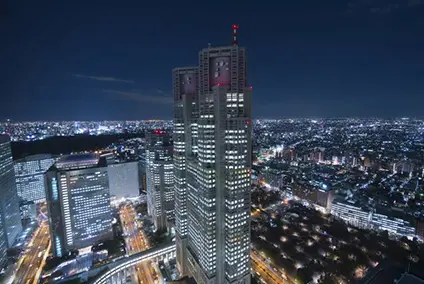
Shinjuku is the strongest base when your map leans west and your evenings stay flexible. GO TOKYO separates the district into the skyscraper and government-building west side, the shopping and nightlife east side, and the bus-terminal and commercial south side.
- West side: choose it when a calmer business-district return and the Tokyo Metropolitan Government area fit the trip.
- South side: choose it when highway buses or easy movement toward Yoyogi matter.
- East side: choose it when food, shopping and the night itself are the reason to stay in Shinjuku.
GO TOKYO lists Tokyo Station to Shinjuku at about 14 minutes by JR Chuo Line rapid service, as of September 1, 2026. That does not include reaching the correct platform, station exit or accommodation. With luggage, the side of Shinjuku Station matters more than a small difference on a map.
Choose Shinjuku for west-side days and late meals. Choose another base when most mornings start around Asakusa, Ueno, Tokyo Station or the bay. Our where to stay in Shinjuku guide separates the west, east and south sides; then use the Shinjuku neighborhood guide and Shinjuku restaurant guide.
Asakusa: put old Tokyo before the crowds
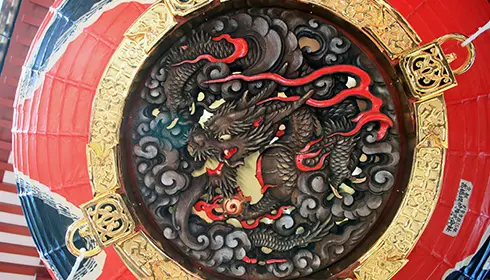
Stay in Asakusa when Senso-ji, Nakamise, traditional shops and the Sumida River are not a single sightseeing stop but the atmosphere you want around the trip.
- Kaminarimon / station side: simplest for trains, the river and a compact first visit.
- North of Senso-ji: puts the temple streets first and transport second.
- Tawaramachi / Kuramae side: better when cafes, craft streets and access beyond the temple core matter.
GO TOKYO lists Asakusa at about 20 minutes from Tokyo Station and 35 minutes from Shinjuku, as of September 1, 2026. The water-bus landing is listed about three minutes on foot from Asakusa Station. These are district-level planning figures, not door-to-door promises.
Choose Asakusa for early temple time, east Tokyo and a slower evening return. Our where to stay in Asakusa guide separates the Metro/Toei/Tobu, Tawaramachi and Tsukuba Express sides; then continue with the Asakusa neighborhood guide, Senso-ji guide and Asakusa food guide.
Tokyo Station or Ginza: make movement the easy part
This central choice has two personalities. Tokyo Station is the logistics answer; Ginza is the food, shopping and evening-walk answer.
- Marunouchi: west of Tokyo Station, useful for the Imperial Palace side and a composed central-Tokyo return.
- Yaesu: east of the station, practical for buses and movement toward Nihonbashi and Ginza.
- Nihonbashi: a central compromise with food and commercial history beyond the station complex.
- Ginza / Higashi-Ginza: choose it when restaurants, department stores, galleries and Kabukiza should shape the evening.
GO TOKYO describes Tokyo Station as a junction for the Shinkansen, JR Yamanote Line, Tokyo Metro Marunouchi Line and intercity or airport buses. Its guide lists Narita-bound bus travel at about 1 hour 20 minutes and Haneda-bound travel at 30 to 55 minutes, as of September 1, 2026. Live routes and traffic decide the real trip.
For Ginza, GO TOKYO lists Ginza Station’s Ginza, Marunouchi and Hibiya subway lines, with Yurakucho Station about five minutes on foot and Tokyo Station about 15 minutes on foot, as of September 1, 2026.
Choose Tokyo Station when the suitcase and onward train dominate the decision. Shift toward Ginza when the last meal and evening walk matter more. Use our Tokyo Station and Marunouchi restaurant guide, Ginza restaurant guide and Nihonbashi restaurant guide to test which side matches your evenings.
Our Tokyo Station or Ginza stay guide then separates Marunouchi, Yaesu, Nihonbashi and Ginza by the exact transport and evening friction each one removes.
Choose by the friction you want to remove
- Luggage: favor the station or airport route you will actually use, then check the final walking route after choosing a property.
- Nights: Shinjuku wins for repeated west-side evenings; Ginza for central dinners; Asakusa for quiet returns after east-Tokyo days.
- Mornings: Asakusa earns its place through Senso-ji; Tokyo Station through departure; Shinjuku through a first move west or a highway bus.
- Food: choose the evening you want to repeat: Shinjuku’s range, Asakusa’s old-town dishes, or the reserved meals around Ginza, Marunouchi and Nihonbashi.
Chosen your area? Find a room that fits the trip
If Shinjuku’s evenings are the reason for your choice, take the next step: our south-side stay guide now includes a hotel option for two, with the actual room photo, double-versus-twin differences and booking links.
Find a south-side Shinjuku stay for two
Still choosing Asakusa or Tokyo Station? Keep the district that fits your itinerary; the area guides above help you choose the station side before comparing properties.
Sources
- Shinjuku, GO TOKYO, accessed September 1, 2026.
- Asakusa, GO TOKYO, accessed September 1, 2026.
- Tokyo Station and Marunouchi, GO TOKYO, accessed September 1, 2026.
- Ginza, GO TOKYO, accessed September 1, 2026.